Things to Do in Gran Canaria: A Guide by Interest
Things to do in Gran Canaria range from the Maspalomas dunes and a booked walk to Roque Nublo to Vegueta, Las Canteras, Puerto de Mogán and the Agaete ferry.
By Canary Islands 365 Editorial Reviewed by Alex Borshch, Founder & Editor
Published November 16, 2026 · 9 min read
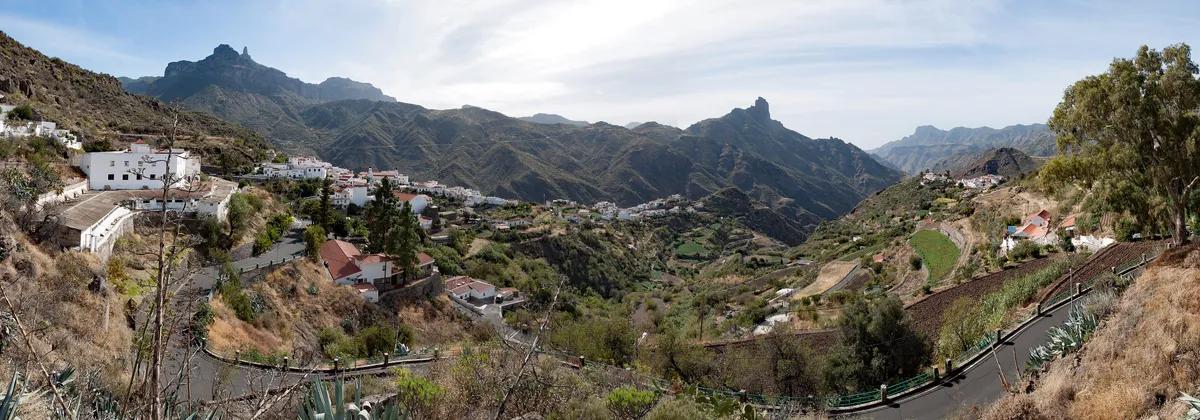
Gran Canaria is the round island in the middle of the Canary Islands, in the province of Las Palmas. It packs three very different trips into one: a resort coast in the south around Maspalomas, a mountain interior of pine woods, ravines and stone villages, and a working capital in the north-east, Las Palmas de Gran Canaria, with its own city beach. Most visitors land at Gran Canaria Airport (LPA) on the east coast, roughly halfway between the two. This guide is arranged by interest, so you can pick the threads that suit you; the Gran Canaria island guide covers the basics of getting around.
Landscapes and parks
The Maspalomas dunes are the island's best-known landscape: a field of golden sand between Playa del Inglés and Maspalomas, running down to the sea next to a lighthouse that has stood there since 1890. The dunes are a protected nature reserve, so keep to the marked paths rather than climbing wherever you like. Go early in the morning or late in the afternoon, when the sand is cooler and the ridges throw long shadows.
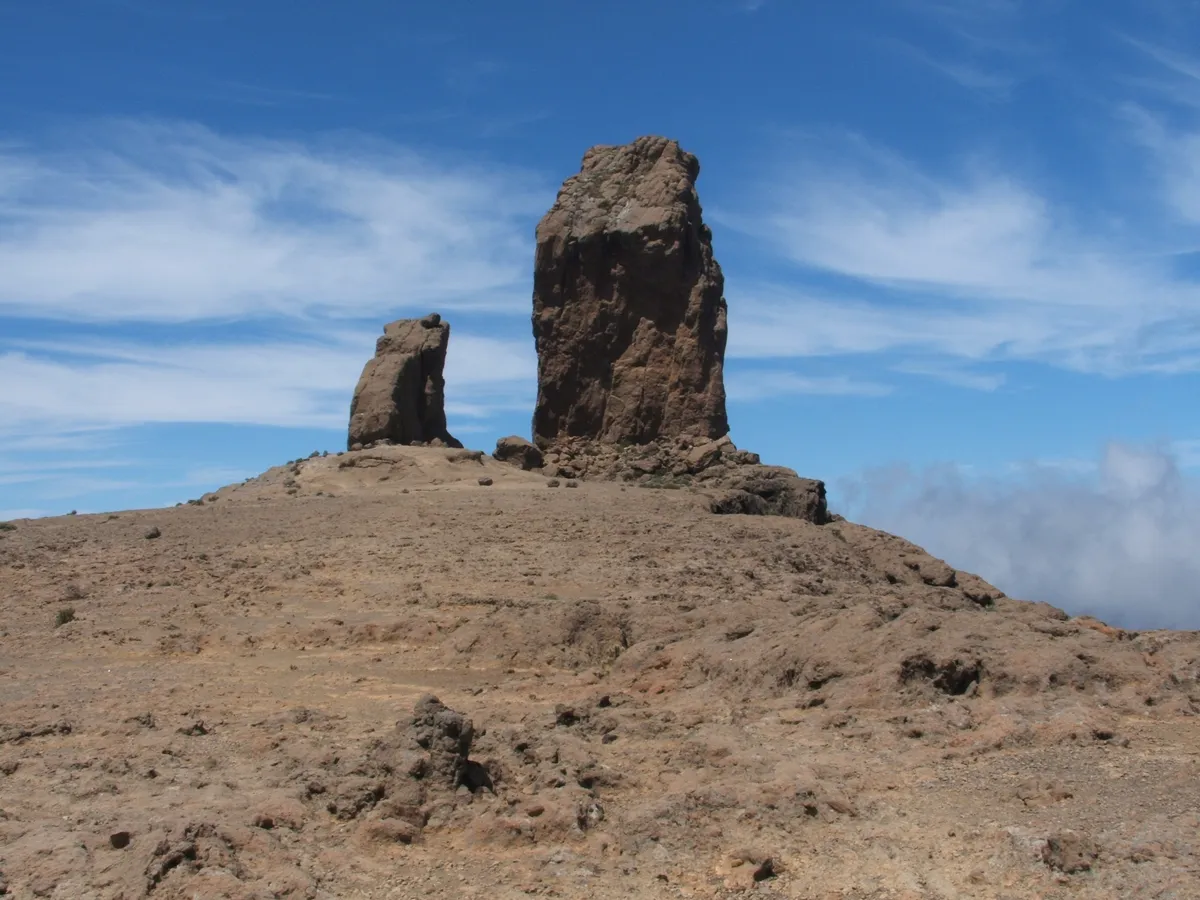
Inland, the road climbs from the coast into the centre of the island around Tejeda. Here the landmark is Roque Nublo, a volcanic monolith on a high ridge that the island uses as its emblem. Access has changed: as of November 2026 the Cabildo de Gran Canaria (the island council) uses a booking system for regulated visiting slots, reached through its trails website, grancanariasenderos.com, or reservasroquenublo.com. Check the current slots and exemptions before setting out. Use designated car parks and reach the monument by shuttle bus or on foot along the summit trails. Do not plan on parking at the trailhead the way older guides describe. The walk up is short but steep and stony, so wear proper shoes. The official rules require suitable footwear, warm clothing, drinking water and a fully charged mobile phone.
The high centre is also one of the best places on the island to look at the night sky once the coastal haze is below you; see stargazing in the Canary Islands for how to plan it. Cyclists come for the long climbs from the south coast to the summit area, covered in cycling.
Beaches
The south has the sunniest, most reliable beach weather. Playa de Maspalomas runs along the foot of the dunes and feels open and natural. Next to it, Playa del Inglés is the busy resort beach, backed by hotels and promenades. Further west, Playa de Amadores is a man-made crescent of pale sand protected by breakwaters, with calm water that suits weak swimmers.
In the capital, Playa de las Canteras is a city beach that locals use every day. Its secret is La Barra, a long sandstone barrier offshore that shelters much of the beach from the Atlantic swell, so at low tide the water inside is calm and clear enough for snorkelling with a mask straight from the sand.
For something wild, Playa de Güigüí on the west coast has no road at all. You reach it on a long, hot hike over the mountains or by boat, and you should carry all your water and food. It is a full-day commitment, not a quick swim. The best beaches in the Canary Islands guide compares these with beaches on the other islands.
Towns and culture
Start in Vegueta, the old quarter of Las Palmas, whose narrow streets have been the core of the city for more than 500 years. The Casa de Colón, a museum of history and art, is the anchor of a slow morning around the cathedral square and the side streets. During Carnival, the Las Palmas de Gran Canaria Carnival takes over the city with parades and late-night street parties.
In the south-west, Puerto de Mogán is a small harbour village of whitewashed houses, bougainvillea and narrow canals, with cafés along the marina. It is pretty and popular, so arrive in the morning or stay for the evening rather than visiting at midday.
On the north-west coast, Agaete and its harbour, Puerto de las Nieves, are where many islanders go for a long Sunday lunch of fresh fish. The harbour has natural rock pools for swimming and sunsets behind the cliffs. If you are on the island on 4 August, the Bajada de la Rama fills Agaete with music and dancers carrying branches down to the sea. Inland, the hill town of Teror, with its basilica and wooden balconies, is an easy stop on the way back to Las Palmas.
Food is part of the culture. Try papas arrugadas with mojo picón, a bowl of sancocho canario (salt fish with potatoes) and a spoonful of gofio, the toasted grain flour that turns up in everything from soups to desserts.
On the water
The trade winds make Gran Canaria a destination for windsurfing and kitesurfing, especially on the windier east coast. Surfers use the reefs and point breaks along the north coast and the stretch of Las Canteras beyond the shelter of La Barra; start with surfing in the Canary Islands for the level each spot suits.
Under the water, the island has volcanic reefs, arches and wrecks for scuba diving, and Las Canteras is the easiest place for snorkelling without a boat. Boat trips from the south-coast marinas go out looking for dolphins and whales; read whale and dolphin watching before you book, so you choose an operator that keeps its distance from the animals.
Walks
Gran Canaria's interior is criss-crossed by old stone paths, the caminos reales, that once linked the villages before roads arrived. The walks around Tejeda and the Roque Nublo ridge give the biggest views for the effort; longer routes link the summit area with the coast through pine forest and ravines. Our hiking page covers route planning, water and the difference between a shaded northern trail and an exposed southern one. If you like your walking at race pace, the Transgrancanaria ultra-trail crosses the island every year.
The weather in the mountains can be very different from the beach: cooler, windier and sometimes wrapped in cloud. Pack a layer even when the coast is hot.
With children
For families, the calm water at Amadores and inside the reef at Las Canteras is easier than the open beaches. A short walk on the marked paths into the Maspalomas dunes feels like a desert adventure without going far from the car; take water and hats. Puerto de Mogán's canals and harbour boats keep younger children interested, and the rock pools at Puerto de las Nieves in Agaete are good for crab-spotting. Leave Güigüí and the long mountain hikes for older children who already walk well.
A windy or cloudy day
The north of the island catches more cloud than the south, and the trade winds can make the east coast blustery. On a grey day, head for the capital: Vegueta and the Casa de Colón are at their best without a beach to compete with, and the city's shopping streets and markets fill the rest of the day. Teror and the botanical garden near Las Palmas (Jardín Canario) also work well under cloud. If the north is grey, the south is often sunny, so driving from one to the other is a fair plan B. Check Canary Islands weather before you set off.
A day trip by ferry
From Agaete, the Fred. Olsen Express fast ferry crosses to Santa Cruz de Tenerife; the operator lists the crossing at 80 minutes as of November 2026 and runs a free ferry bus between central Las Palmas and the port at Agaete for its passengers. Book a bus seat in advance, as places are limited. That makes a day on Tenerife realistic, for example for La Laguna's old town and the Anaga Rural Park close to the port. The same company sails from the port of Las Palmas to Morro Jable in the south of Fuerteventura in about 2 hours, which suits a longer stay more than a day trip; see things to do in Fuerteventura if you go. The island hopping by ferry and plane page and the island-hopping guide compare routes and operators.
What Gran Canaria is not good for
Gran Canaria is not a quiet island everywhere. The south coast between Playa del Inglés and Meloneras is heavily built up, and if you want empty villages and dark nights the smaller western islands such as La Gomera or El Hierro suit you better. The interior roads are winding and slow, so distances on the map take longer than you expect. Roque Nublo has regulated booking slots and requires a bus or walk from designated parking, so it is not a spur-of-the-moment stop. In winter, the sea is cooler than many visitors expect and the north can be cloudy for days; read the Canary Islands in winter if you are coming for guaranteed heat. If you are still choosing an island, start with which Canary Island is best.
Frequently Asked Questions
How many days do you need for Gran Canaria?
Five to seven days lets you combine beach time in the south with a day in the mountains, a day in Las Palmas and an afternoon in Agaete or Puerto de Mogán. Our Gran Canaria 7-day itinerary sets out one way to do it.
Do you need to book to visit Roque Nublo?
For regulated visiting slots, yes. As of November 2026 use the booking system linked from grancanariasenderos.com, at reservasroquenublo.com. Use designated parking and continue by shuttle bus or on foot. Check the booking page for current slots and exemptions before you go.
Is Las Canteras good for swimming?
Yes, for most of its length. La Barra, the reef offshore, shelters a large part of the beach from the swell, so the water inside is usually calm. The section outside the reef's shelter gets waves and is used by surfers.
Can you visit Tenerife in a day from Gran Canaria?
Yes. The fast ferry from Agaete to Santa Cruz de Tenerife takes about 80 minutes, and the operator runs a free ferry bus from central Las Palmas to Agaete for its passengers. Reserve the ferry bus in advance and check the return time before you plan the day.
Do you need a car on Gran Canaria?
Not for the coast and the capital, which the island's bus network serves. For the mountain villages, Güigüí's trailheads and flexible days in the interior, a hire car makes life much easier. See getting around the Canary Islands for buses, car hire and taxis.
Pick two or three threads, perhaps dunes and beaches, mountains and villages, or the capital and its city beach, and Gran Canaria rewards a week far more than the resort strip alone suggests.
Gran Canaria
This guide covers Gran Canaria. Explore more about this destination.
View Destination
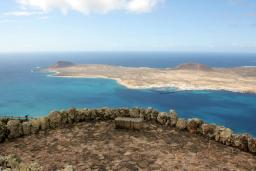
Photo gallery
Roque Nublo rock monolith standing on a bare summit in Gran Canaria
Photo: Domènec Leal via Wikimedia Commons · Public domain