La Palma
La Palma is the Canary Islands' hiking and stargazing island: the Caldera de Taburiente, observatories on Roque de los Muchachos and the new lava of the 2021 eruption.
La Palma
La Palma is the Canary Islands' hiking and stargazing island: the Caldera de Taburiente, observatories on Roque de los Muchachos and the new lava of the 2021 eruption.
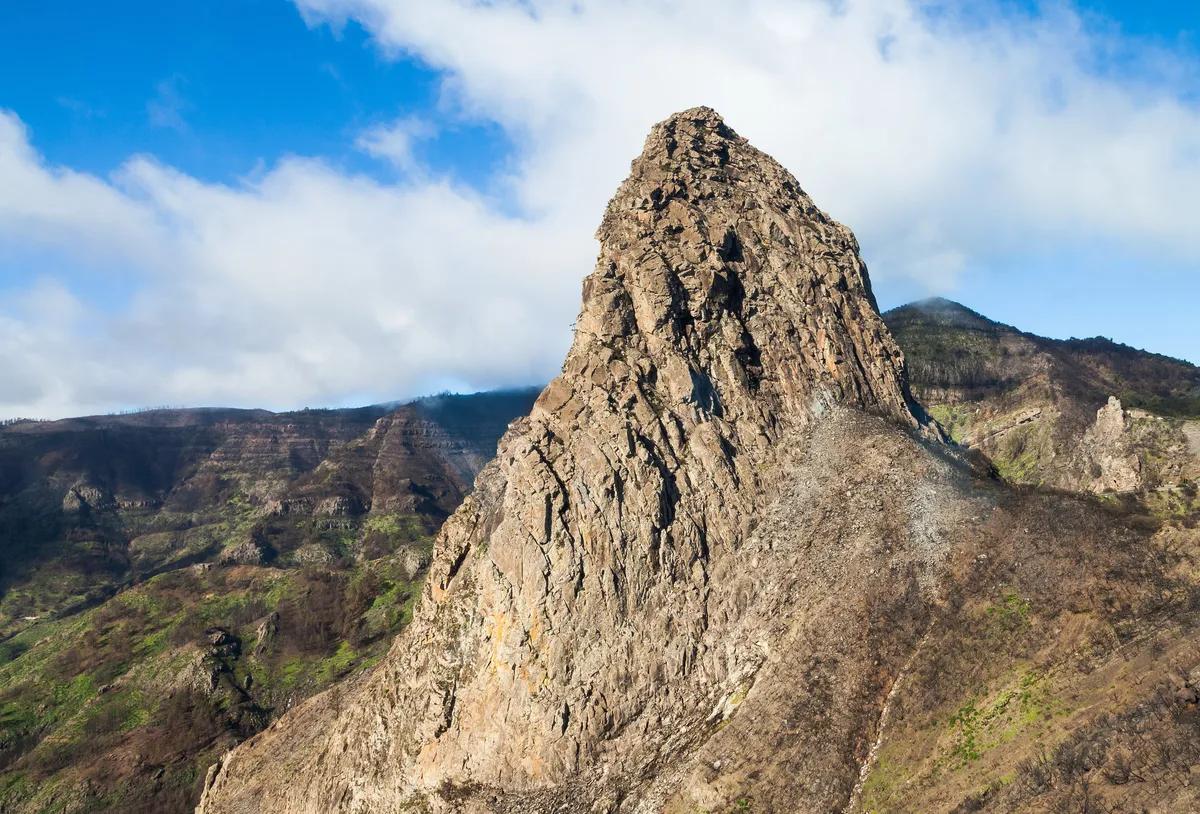
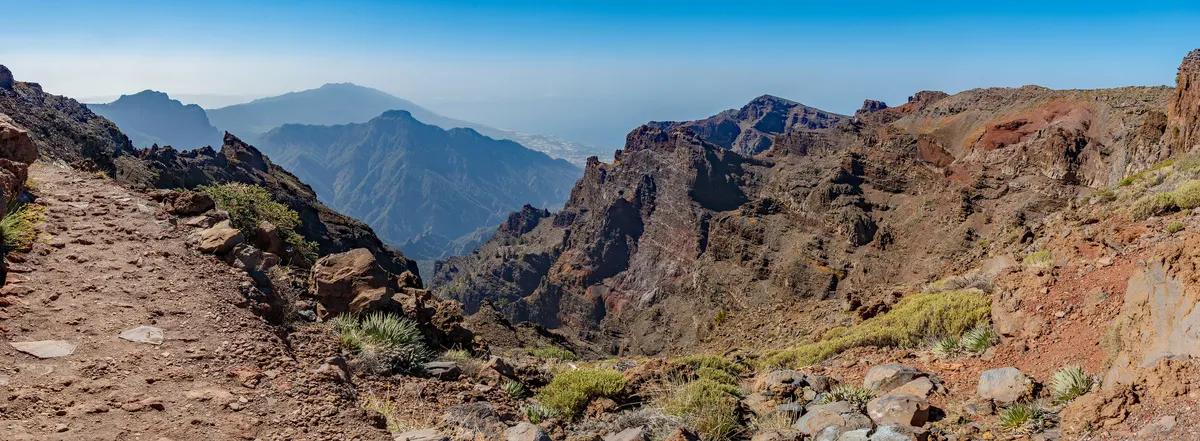
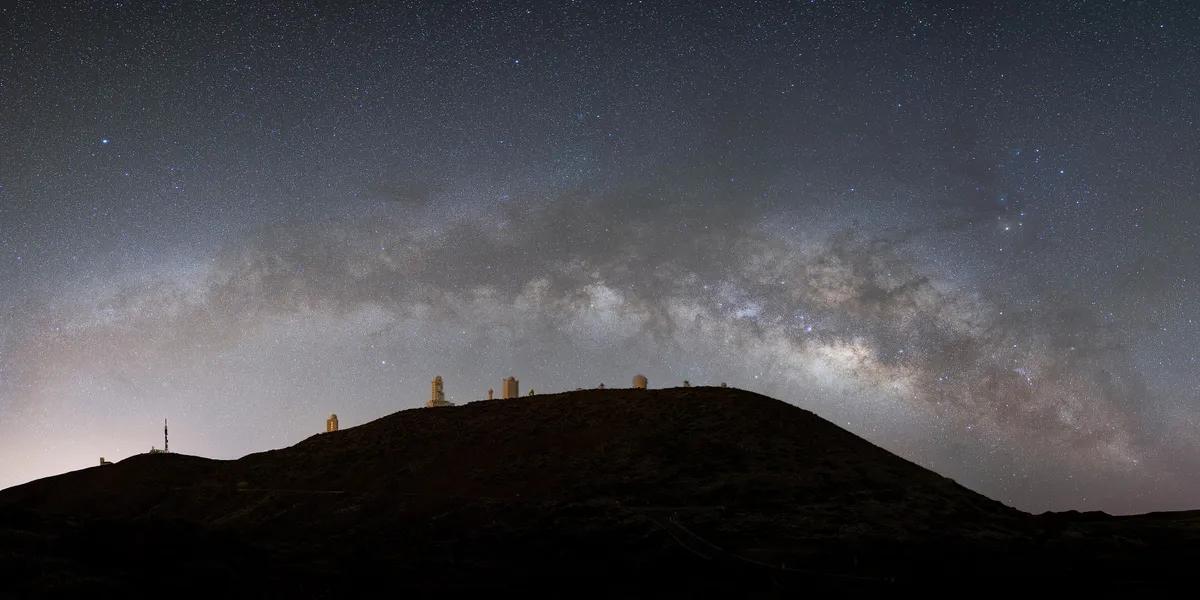
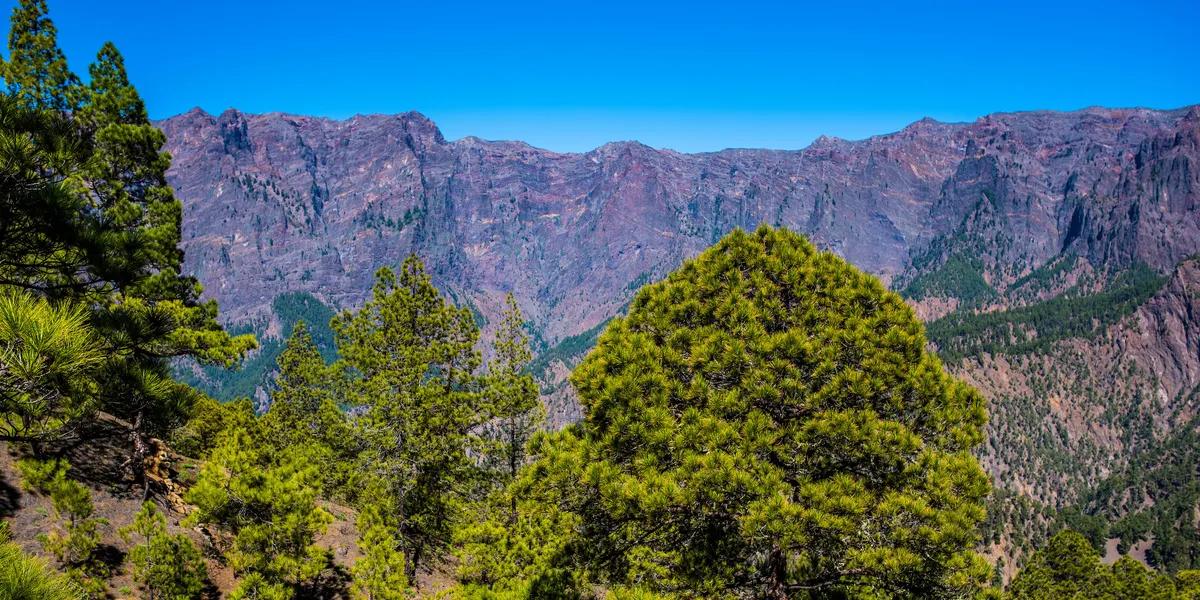
La Palma is the north-westernmost of the Canary Islands, a steep, green island often called La Isla Bonita. It rises to 2,426 metres at the Roque de los Muchachos, on the rim of the huge erosion crater protected as Caldera de Taburiente National Park. The Roque de los Muchachos Observatory, run by the Instituto de Astrofísica de Canarias, sits near the summit at 2,396 metres, and the island's dark night skies draw stargazers as well as astronomers.
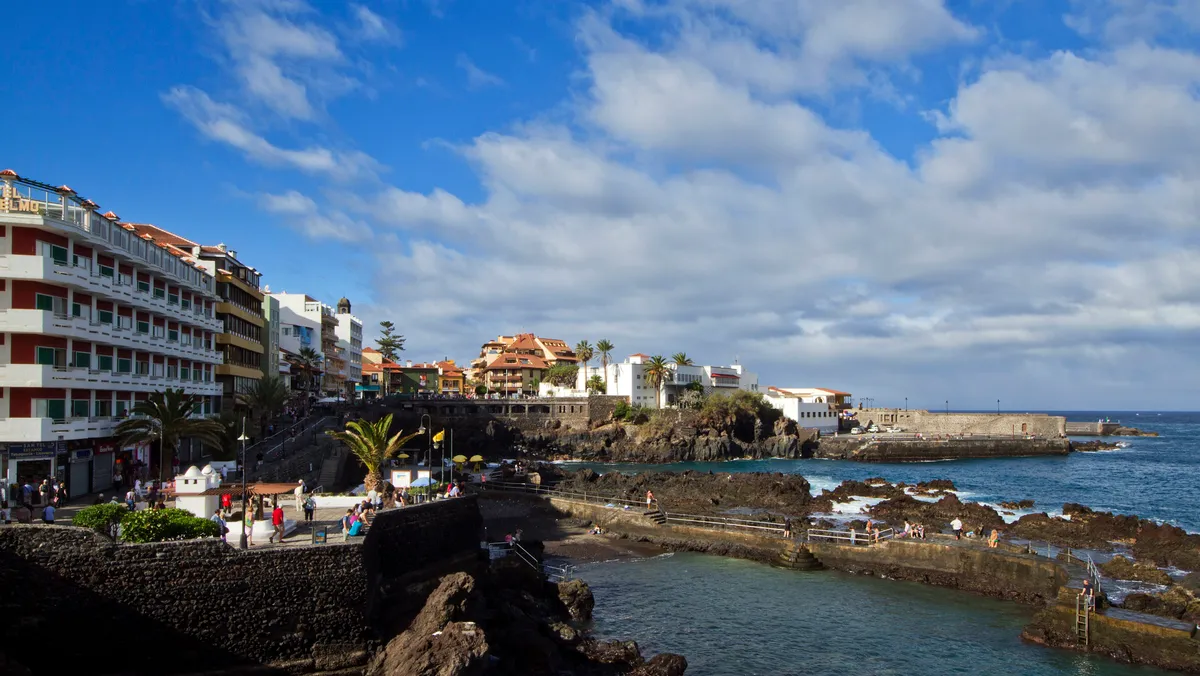
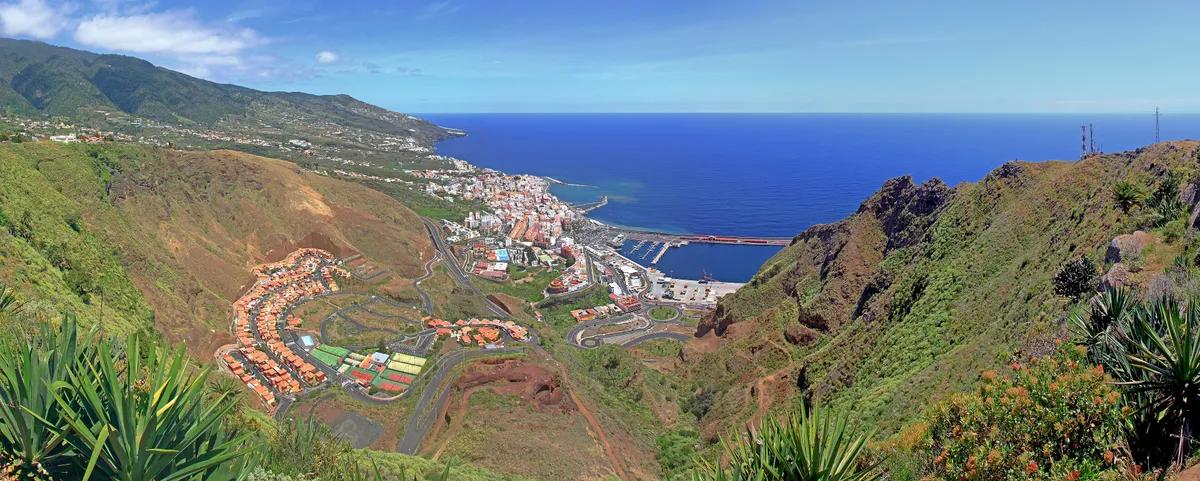
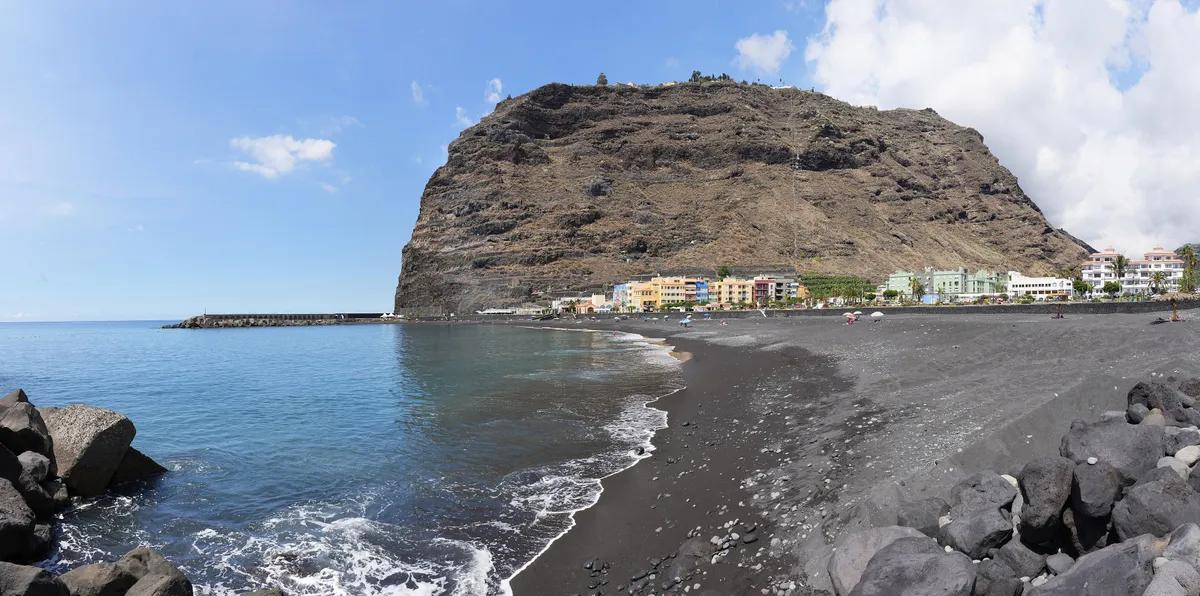
The island is narrow and mountainous, so most roads are winding. The capital, Santa Cruz de La Palma, on the east coast, is a small port town of balconied houses and the home of the Los Indianos carnival party. La Palma Airport (SPC) lies just south of it. The west side, around Los Llanos de Aridane and Tazacorte, is sunnier, with banana plantations and the black-sand Playa de Tazacorte. The south is a ridge of young volcanoes.
That volcanic story is recent. The Tajogaite eruption on the west side began on 19 September 2021 and lasted 85 days and 8 hours, ending on 13 December 2021. Some of the area can be visited on guided routes; see volcano and lava tube visits and follow current local rules for access.
What to do
- Drive or hike to Roque de los Muchachos for views into the caldera and above the clouds.
- Hike into the Caldera de Taburiente or along the volcano ridge in the south.
- Spend a night stargazing from one of the island's viewpoints.
- Join the white-clad crowds at Los Indianos on Carnival Monday in Santa Cruz.
- Swim at Playa de Tazacorte and try local wines.
La Palma suits walkers, stargazers and travellers who want a quiet, green island with few large resorts. It is not a beach island: the coast is mostly rocky, with a few black-sand beaches. Compared with its western neighbours La Gomera and El Hierro it is larger and higher, with more choice of places to stay. Besides flights, Fred. Olsen lists a 150-minute crossing from Los Cristianos on Tenerife to Santa Cruz de La Palma as of November 2026. See the island-hopping guide.
Practical information
Photo gallery
La Palma
Photo: H. Zell via Wikimedia Commons · CC BY-SA 3.0 (https://creativecommons.org/licenses/by-sa/3.0)
Beaches here
La Palma questions
Is La Palma safe to visit after the 2021 eruption?
+
Yes. The Tajogaite eruption ended in December 2021 after 85 days and 8 hours. The island is open to visitors, and some of the new lava fields can be seen on guided routes. Follow local signs and current rules for any restricted areas.
How high is Roque de los Muchachos?
+
Roque de los Muchachos is the highest point on La Palma, at 2,426 metres, on the rim of the Caldera de Taburiente. A road reaches the summit area and the astronomical observatory nearby.
Is La Palma good for stargazing?
+
Yes. Its night skies are dark enough for a major astronomical site, the Roque de los Muchachos Observatory, at 2,396 metres near the summit. Several viewpoints across the island are used for stargazing; go on a moonless night and dress warmly.
How do you get to La Palma?
+
La Palma Airport (SPC) has inter-island flights and some direct flights from Europe. By sea, Fred. Olsen lists a 150-minute crossing from Los Cristianos on Tenerife to Santa Cruz de La Palma as of November 2026.
Does La Palma have good beaches?
+
La Palma is not a beach island. The coast is mostly rocky, with a few black-sand beaches such as Playa de Tazacorte on the west coast. Most visitors come for hiking, stargazing and the landscape.
Keep reading
Travel Guides
Helpful guides for planning your trip to La Palma
 Areas Islands
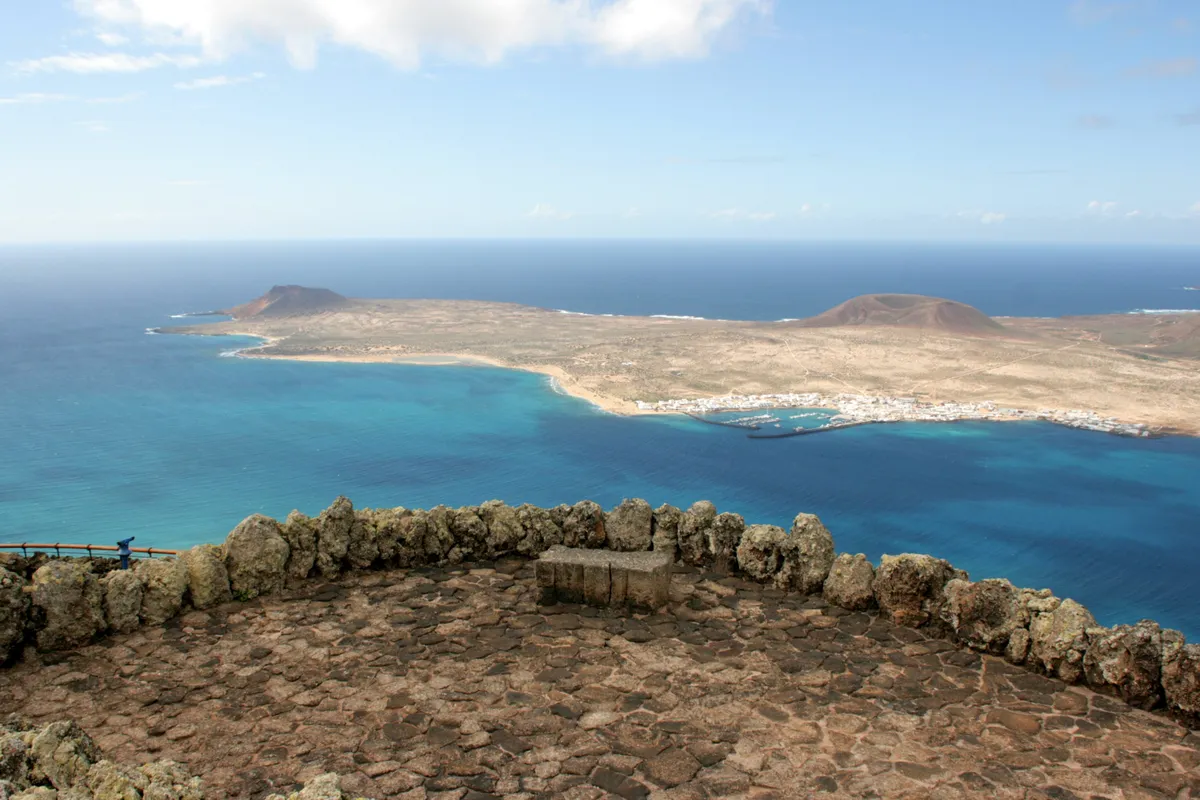
Which Canary Island Is Best? All 8 Islands Compared
Compare all eight Canary Islands on beaches, weather and wind, nightlife, families, walking, quiet and flights from the UK and Ireland, then pick by trip type.
 Beaches Nature
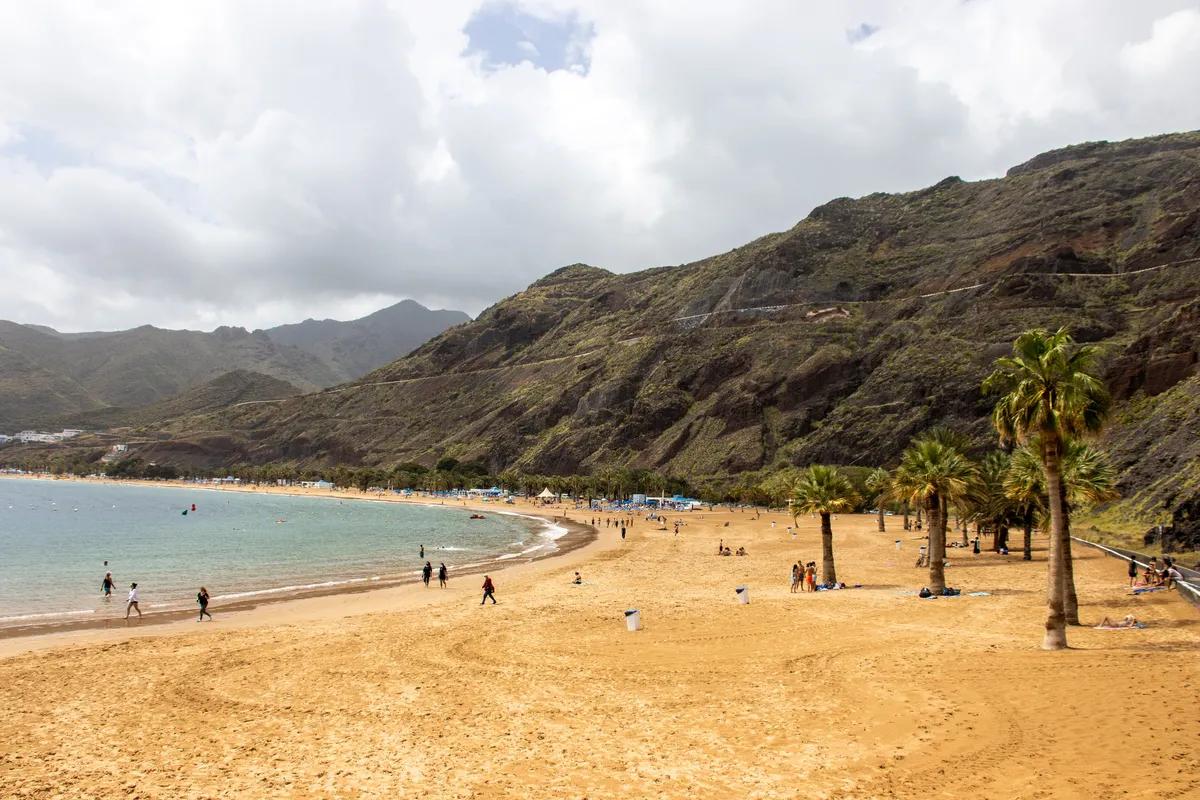
Best Beaches in the Canary Islands: 20 Picks by Island
Twenty Canary Islands beaches on six islands, from Tenerife to La Palma, with honest notes on access, wind and currents and the official 2026 Blue Flag list.
 Planning
Best Time to Visit the Canary Islands: Month by Month
The Canary Islands work all year. October to April is the winter-sun season; May, June, September and October suit a mixed trip. Compare stations by coast.
 Planning
Canary Islands Public Holidays 2027: Full Calendar
The Canary Islands have 11 archipelago-wide public holidays in 2027, plus one island holiday on each island and two local holidays in each municipality.
Keep exploring
Nearby Destinations
Explore more places near La Palma