Cycling in the Canary Islands
Long climbs to Teide, mountain roads on Gran Canaria and lava-field loops on Lanzarote
Cycling in the Canary Islands
Ride from sea level to over 2,000 metres on Tenerife, climb Gran Canaria's mountain roads or loop Lanzarote's volcanic landscapes. Routes, rules and kit to bring.
Mild winters and big mountains draw road cyclists to the Canary Islands from across Europe, especially between autumn and spring. The islands differ a lot on a bike: Tenerife has long climbs, Gran Canaria is steep almost everywhere, and Lanzarote is lower, windier and good for mixed riding.
Tenerife
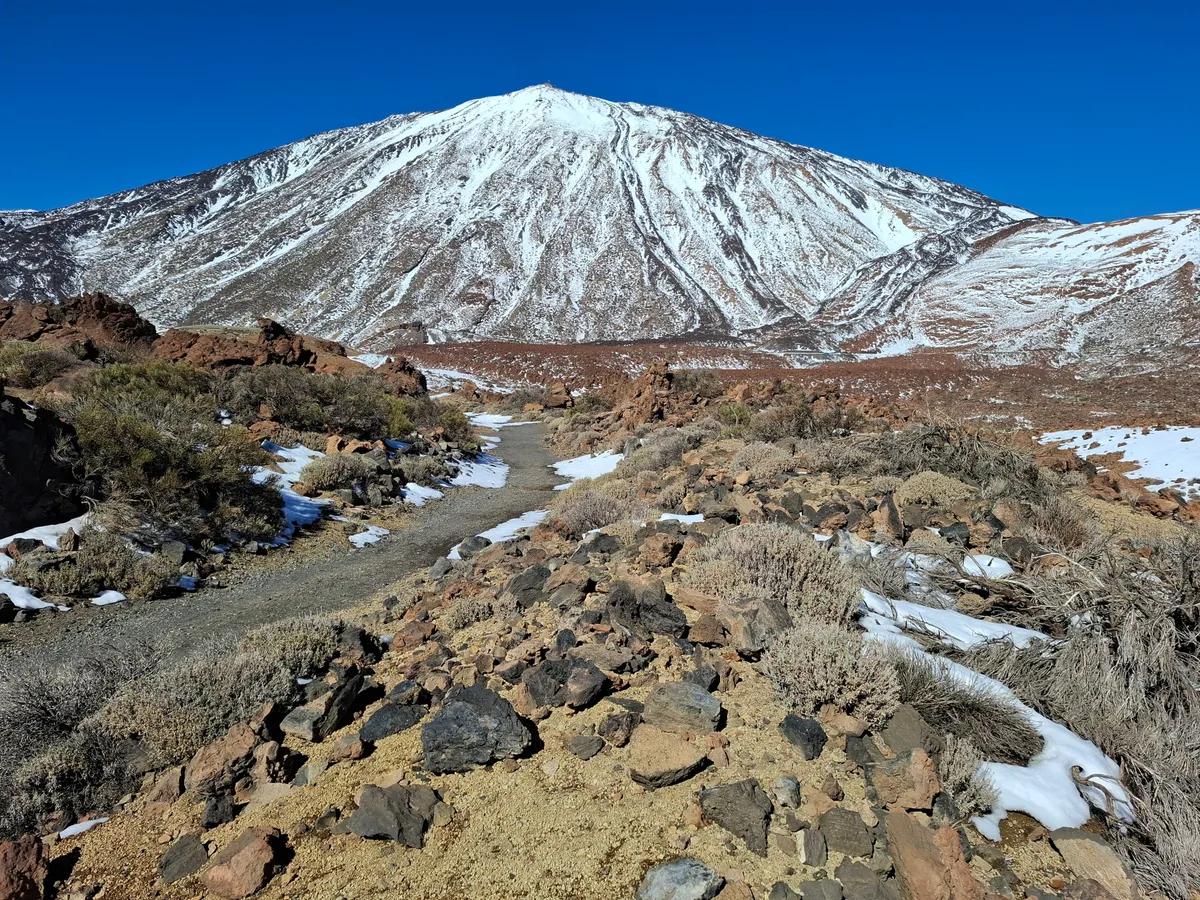
Tenerife's tourism board highlights the chance to ride from sea level to more than 2,000 metres, and publishes eight road routes with distance and climbing. Several start in Costa Adeje; the longest of those listed is 162 kilometres with about 3,950 metres of climbing, crossing Teide National Park. Northern routes start in Garachico, La Orotava and Santa Cruz. The board says you can cycle all year, with spring and autumn especially pleasant, and that weather at altitude changes quickly, so carry a jacket and rain layer even on a sunny day.
Gran Canaria
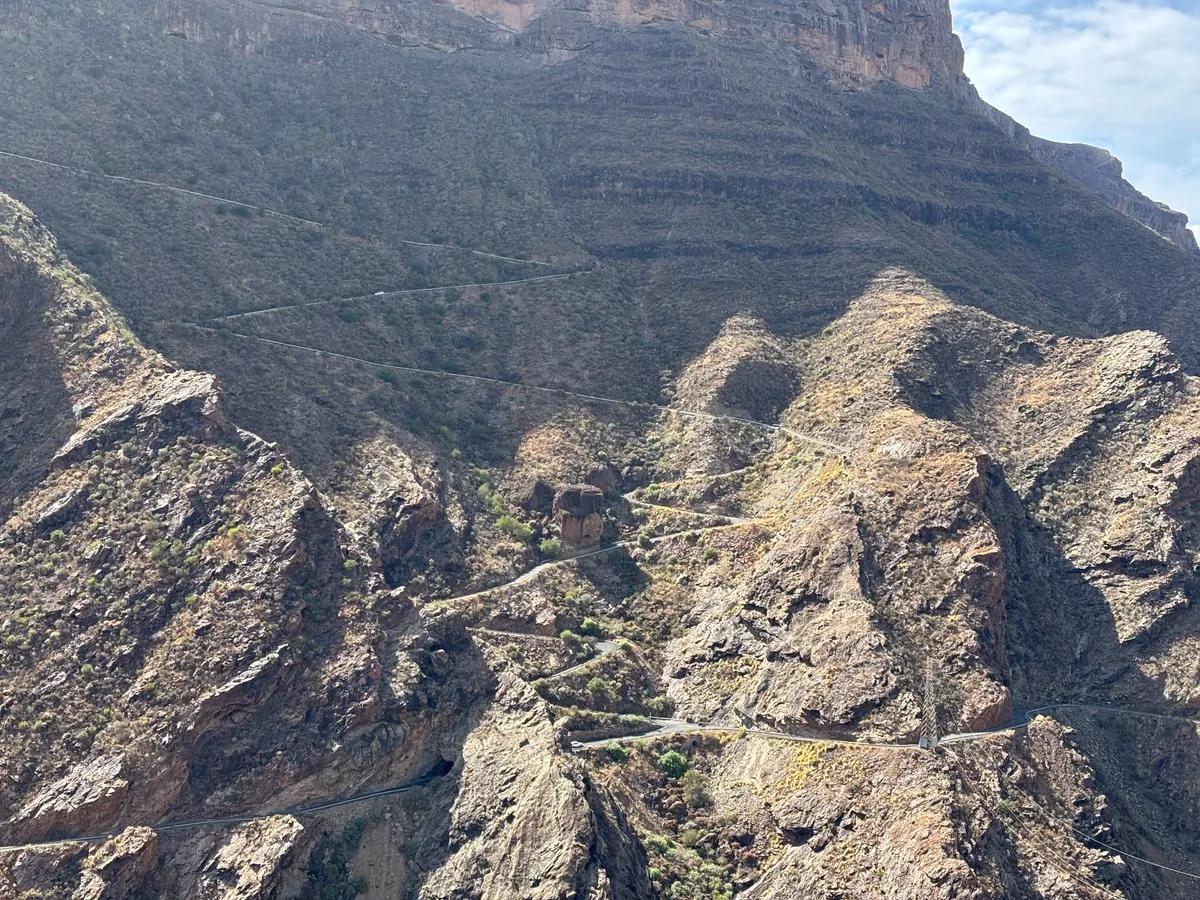
On Gran Canaria, the island's tourism board notes that road and mountain routes have almost no flat ground and plenty of loose volcanic stone. The climbs from the south coast resorts around Maspalomas into the mountains and towards Roque Nublo are demanding, and the board publishes a Gran Canaria Cycling Friendly Map.
Lanzarote and the other islands
Lanzarote's tourism board describes a network of mountain-bike routes of different levels over volcanic dirt tracks, sand and compact ground, plus a coastal road route, and warns that sun and wind are constant companions. The island hosts Ironman Lanzarote, and many triathletes train there in winter. Fuerteventura and the western islands also suit riders who like quiet roads, but we could not confirm route details from their official pages.
- Wear a helmet: Tenerife's tourism board calls it compulsory as well as essential for safety.
- Groups of more than 50 cyclists need a permit on Tenerife, from the Cabildo's roads department or the island cycling federation.
- Tenerife has specialist shops hiring road, mountain and touring bikes; bring your own pedals and saddle if you are particular about fit.
Carry water, food, a puncture kit and a spare tube on long climbs, use lights in tunnels, and tell someone your route before riding alone in the mountains.
What to know before you go
Plan this experience
The essentials for booking Cycling in the Canary Islands and getting there.
Photo gallery
Hairpin mountain road GC-606 climbing a rocky valley on Gran Canaria
Photo: kallerna via Wikimedia Commons · CC BY-SA 4.0 (https://creativecommons.org/licenses/by-sa/4.0)
Frequently asked questions
Keep reading
Travel Guides
Helpful guides for planning your trip to Tenerife
 Areas Islands
Which Canary Island Is Best? All 8 Islands Compared
Compare all eight Canary Islands on beaches, weather and wind, nightlife, families, walking, quiet and flights from the UK and Ireland, then pick by trip type.
 Beaches Nature
Best Beaches in the Canary Islands: 20 Picks by Island
Twenty Canary Islands beaches on six islands, from Tenerife to La Palma, with honest notes on access, wind and currents and the official 2026 Blue Flag list.
 Experiences
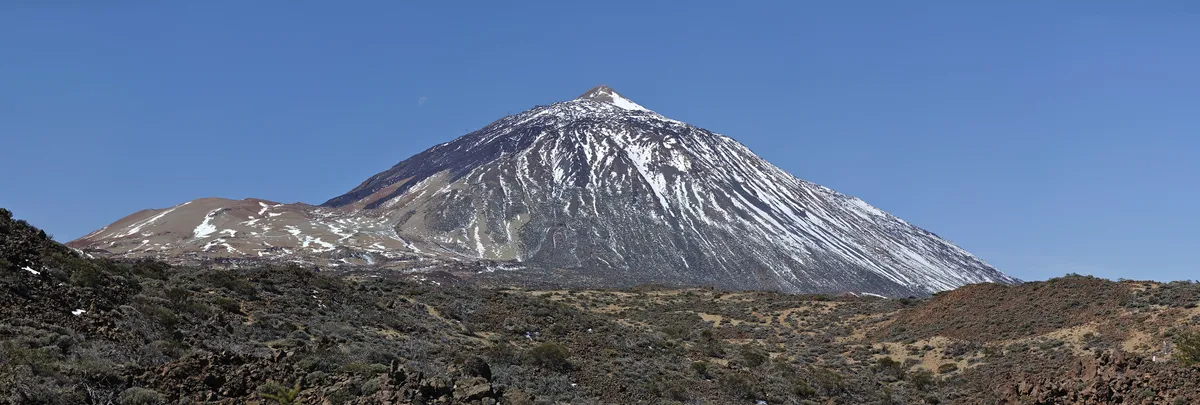
Things to Do in Tenerife: Teide, the North and the Coast
Things to do in Tenerife, Canary Islands, sorted by interest: Teide, the north, the southern resorts, whales, beaches, towns, family days and bad-weather plans.
More to Explore in Tenerife
Discover beaches, attractions, activities, and more in the same area
Similar activities and experiences
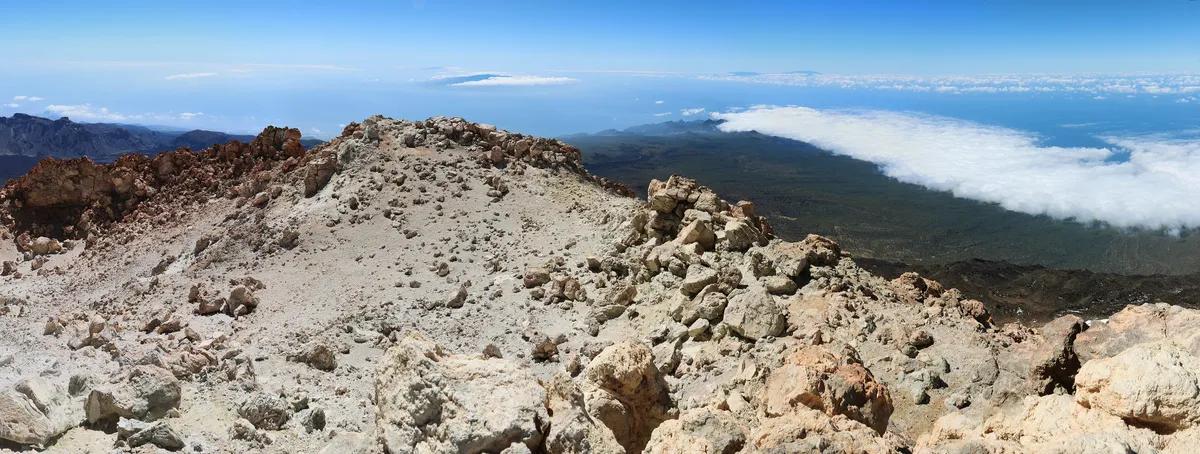
Climbing Mount Teide
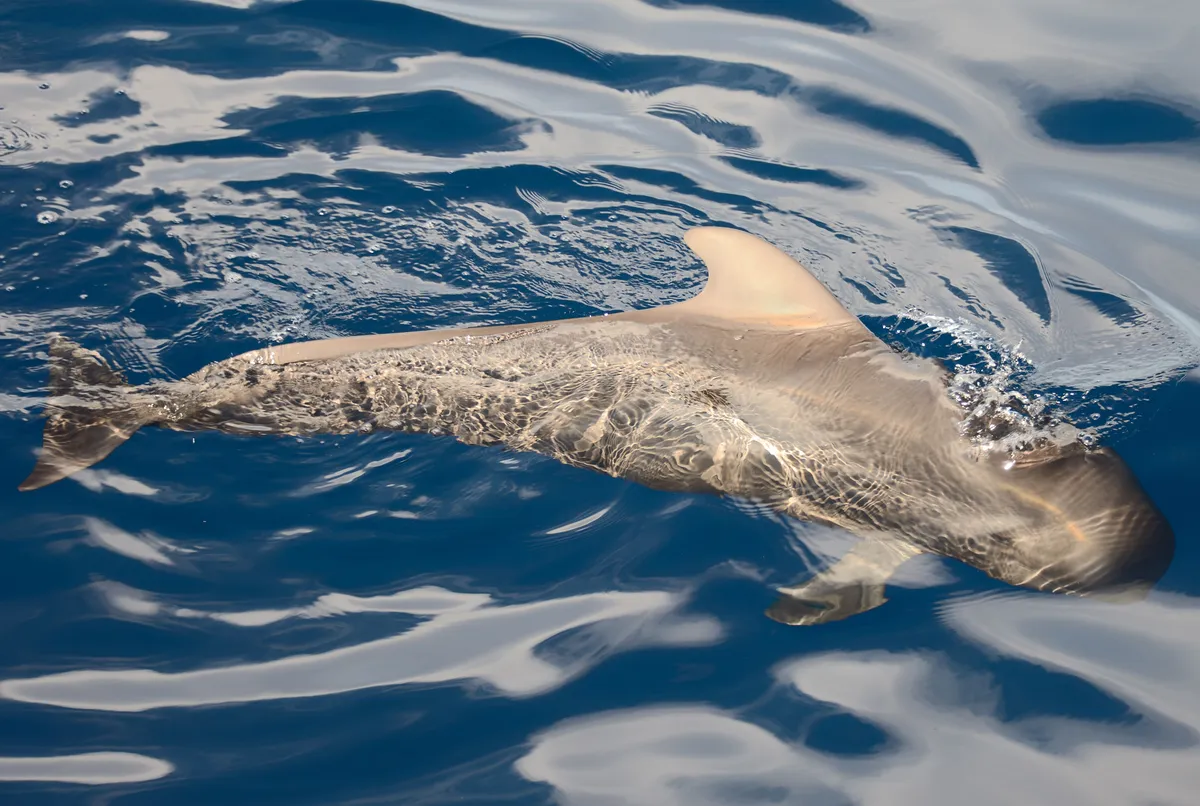
Whale and Dolphin Watching in the Canary Islands
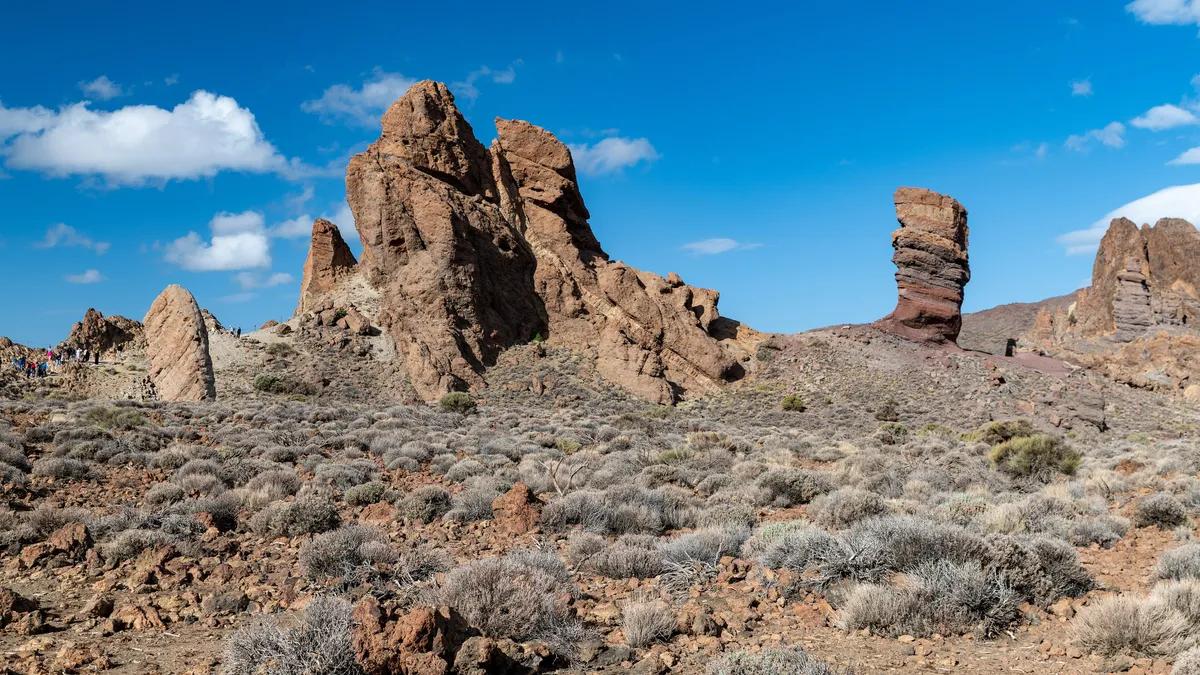
Hiking in the Canary Islands
Island Hopping by Ferry and Plane
Paragliding in Tenerife