Canary Islands Weather
by Month
Choose the island and coast before choosing the month. Tenerife South Airport averages January highs of 22.8°C and August highs of 28.8°C, while Tenerife North Airport is cooler and wetter. All air and rainfall figures below are AEMET station normals for 1991 to 2020, not forecasts. Compare the four stations below, or read guide to the best time to visit.
Choose a Coast, Then a Season
Winter Sun with Layers
December - March
Compare south Tenerife with Lanzarote rather than treating the archipelago as one climate. At Tenerife South Airport January averages 22.8°C by day and 15.2°C at night; at Lanzarote Airport the figures are 21.7°C and 13.6°C. Pack a jumper and a rain shell, and keep beach plans flexible.
Dry Summers, Stronger Trade Winds
June - August
AEMET records monthly rainfall normals of 0.3 mm in June and 0.0 mm in July at Tenerife South Airport. Lanzarote Airport has 0.1 mm in June, 0.0 mm in July and 0.5 mm in August. A rounded zero is not a guarantee of no rain. The official tourism board describes stronger summer trade winds, particularly around exposed watersports coasts.
Autumn Swimming and Rain Planning
September - November
The separate NOAA 1991 to 2020 offshore series rounds to 23°C in September and October, then 22°C in November. Tenerife South Airport has rainfall normals of 3.0 mm in September, 13.3 mm in October and 10.9 mm in November. Take a waterproof layer and check coastal warnings before swimming.
The station comparisons use AEMET 1991 to 2020 normals throughout, published in the 2026 meteorological calendar: Tenerife Sur Aeropuerto (C429I), Tenerife Norte Aeropuerto (C447A), Gran Canaria Aeropuerto (C649I) and Lanzarote Aeropuerto (C029O). High and low mean the monthly averages of daily maxima and minima, not record temperatures. Rain is the average monthly total. The four cards describe those stations, not island-wide averages. Tenerife North Airport is an upland station at 632 m, so its figures must not be presented as Puerto de la Cruz beach temperatures. Sea figures are separate NOAA PSL monthly sea-surface climatology for 1991 to 2020 at the offshore grid point 27.5°N, 16°W, rounded to whole degrees. They describe regional sea-surface conditions, not every beach.
Seasons at a Glance
Weather by Month
Average temperature, rainfall, sea temperature and travel rating for every month
Best Time to Visit for...
The ideal months depend on what you want to do
Beach & Swimming
Year-round, conditions permitting
Use the monthly air figures to choose your base, then check the beach flags. The NOAA offshore climatology rounds to 19°C in February and March and 23°C in September and October. Consider a wetsuit for longer cool-season swims.
Diving & Snorkelling
Plan by sea conditions
Ask a local operator about the entry, swell and thermal protection for your chosen island. The regional offshore sea-temperature series is a planning reference, not a visibility or safety forecast.
Sailing & Boat Trips
Year-round, weather permitting
The official tourism board describes stronger trade winds in summer and locally accelerated wind around island coasts. Leave room to move a trip if the operator changes the sailing plan.
Winter Sun & Sightseeing
Dec - Mar
Compare Costa Adeje on Tenerife with Playa Blanca on Lanzarote as possible winter bases. Read /travel-guides/canary-islands-in-winter alongside the station figures; pack for cool evenings rather than assuming summer clothing will be enough.
Hiking & Nature
Choose the route forecast
Choose a route to match the temperature and warnings, not just the month. Tenerife North Airport provides an upland comparison, but its series is not a summit forecast. Carry layers for Anaga on Tenerife and Garajonay on La Gomera.
Windsurfing & Kitesurfing
Summer trade-wind planning
Fuerteventura, Lanzarote and Gran Canaria have exposed watersports coasts. The tourism board highlights stronger wind conditions in June, July and August. Beginners should let a qualified local school choose the location and day.
For the balance between winter sun, walking and swimming, start with the best time to visit the Canary Islands weighs them month by month.
Four Stations, Four Climate Comparisons
Monthly figures are average high / low in °C, followed by rainfall in mm. Source: AEMET, 1991 to 2020. Airport exposure and elevation matter; none of these series represents every resort.
South Tenerife: Airport Reference
Tenerife Sur Aeropuerto (C429I)
This is the south-airport series, not a measurement at Costa Adeje. For a warmer winter reference than the northern uplands, start here. AEMET, 1991 to 2020: January 22.8/15.2°C, 16.5 mm; February 22.9/15.0°C, 18.6 mm; March 23.6/15.5°C, 12.6 mm; April 24.0/16.2°C, 8.3 mm; May 25.0/17.3°C, 0.6 mm; June 26.2/18.9°C, 0.3 mm; July 28.2/20.2°C, 0.0 mm; August 28.8/21.1°C, 1.5 mm; September 28.1/20.9°C, 3.0 mm; October 27.3/19.9°C, 13.3 mm; November 25.4/18.2°C, 10.9 mm; December 23.7/16.5°C, 33.3 mm.
North Tenerife: Upland Reference
Tenerife Norte Aeropuerto (C447A), La Laguna
At 632 m, this station describes the cooler northern uplands. Puerto de la Cruz is a separate coastal setting; do not transfer these temperatures directly to its beaches. AEMET, 1991 to 2020: January 16.3/10.3°C, 71.5 mm; February 16.7/10.0°C, 67.2 mm; March 18.1/10.5°C, 66.9 mm; April 18.7/11.2°C, 37.5 mm; May 20.7/12.6°C, 16.3 mm; June 22.6/14.5°C, 10.2 mm; July 24.8/16.4°C, 6.8 mm; August 26.3/17.3°C, 6.0 mm; September 25.1/16.9°C, 11.8 mm; October 23.0/15.8°C, 55.6 mm; November 19.7/13.6°C, 91.2 mm; December 17.4/11.6°C, 74.6 mm.
Gran Canaria: East-Coast Reference
Gran Canaria Aeropuerto (C649I), Ingenio
This east-coast airport series is not a separate normal for Las Palmas or Maspalomas. Use it as a comparison and check the forecast at your actual base. AEMET, 1991 to 2020: January 21.1/15.6°C, 25.8 mm; February 21.4/15.6°C, 19.8 mm; March 22.2/16.1°C, 11.9 mm; April 22.9/16.8°C, 5.0 mm; May 23.9/17.9°C, 0.8 mm; June 25.4/19.5°C, 0.4 mm; July 26.9/20.9°C, 0.0 mm; August 27.5/21.8°C, 0.6 mm; September 26.9/21.4°C, 5.0 mm; October 26.1/20.2°C, 19.0 mm; November 24.2/18.4°C, 17.4 mm; December 22.3/16.7°C, 25.9 mm.
Lanzarote: Airport Reference
Lanzarote Aeropuerto (C029O), San Bartolomé
This Lanzarote series is not a Fuerteventura station normal. Playa Blanca and Puerto del Carmen are base options to compare; check local wind shelter rather than promising that one bay is always calm. AEMET, 1991 to 2020: January 21.7/13.6°C, 15.4 mm; February 22.2/13.8°C, 16.1 mm; March 23.6/14.6°C, 10.9 mm; April 24.4/15.5°C, 4.1 mm; May 25.8/16.9°C, 1.2 mm; June 27.3/18.7°C, 0.1 mm; July 28.9/20.2°C, 0.0 mm; August 29.9/21.0°C, 0.5 mm; September 29.0/20.5°C, 1.8 mm; October 27.5/19.1°C, 12.8 mm; November 24.9/16.8°C, 15.5 mm; December 22.7/14.9°C, 21.4 mm.
What to Pack
Pack for your island, the wind and the highest place you plan to visit.
Clothing
- Light layers for coastal days
- Swimwear and a dry change of clothes
- Fleece for evenings and upland outings
- Walking shoes suited to the planned trail
- Windproof outer layer for exposed coasts
Sun Protection
- High-factor sunscreen, reapplied as directed
- Sunglasses with UV protection
- Hat that stays on in a breeze
- Rash vest for time in the water
- Sun-protective clothing for exposed walks
Rain & Wind Gear
- Packable waterproof jacket
- Rain cover for your daypack
- Waterproof pouch for documents
- Dry bag for boat outings
Health & Comfort
- Usual prescription medication
- Personal first aid supplies
- Refillable drinking-water bottle
- Any clinician-recommended respiratory supplies
- Travel insurance documents
Beach Essentials
- Mask fitted before snorkelling
- Footwear suited to your beach entry
- Towel and dry clothing
- Wetsuit if needed for longer swims
- Bag to keep loose belongings out of the wind
Electronics
- Adapter matched to your accommodation sockets
- Charged power bank for day trips
- Protective case for sand and spray
- Charging cables packed in a dry pouch
Weather Safety Tips
Stay safe and comfortable throughout your trip
Calima & Weather Warnings
- •Check AEMET warnings and the Canary Islands government alerts before outdoor plans.
- •During calima, the Canary Islands government advises avoiding strenuous exercise and keeping doors and windows closed.
- •Keep your usual medication available and follow your clinician’s advice if you have a respiratory condition.
- •If dust reduces road visibility, slow down and follow official travel advice.
Sun & Heat Planning
- •Use sunscreen and sun-protective clothing for beach days and exposed walks.
- •Plan demanding walks for a cooler part of the day and carry drinking water.
- •Monthly average highs do not set a ceiling on the temperature during an individual heat episode.
- •Change the plan if local heat, wind or fire warnings affect the route.
Mountain & Trail Planning
- •Read the route forecast rather than using coastal airport temperatures for Teide on Tenerife.
- •Carry a waterproof outer layer and warm clothing for upland outings.
- •Respect trail closures and turn back if conditions no longer suit your equipment or experience.
- •Use /travel-guides/mount-teide-permit-and-cable-car-guide to prepare a Teide visit.
Sea & Wind Safety
- •Check beach flags, lifeguard advice and the marine forecast before entering the water.
- •A warm sea-temperature normal says nothing about currents or the swell on the day.
- •Ask your boat or watersports operator about wind conditions and any cancellation.
- •Keep away from exposed shore platforms when waves are breaking over them.
Good to know
Canary Islands Weather: Monthly Planning Questions
Weather by Destination
Explore detailed weather conditions for each location
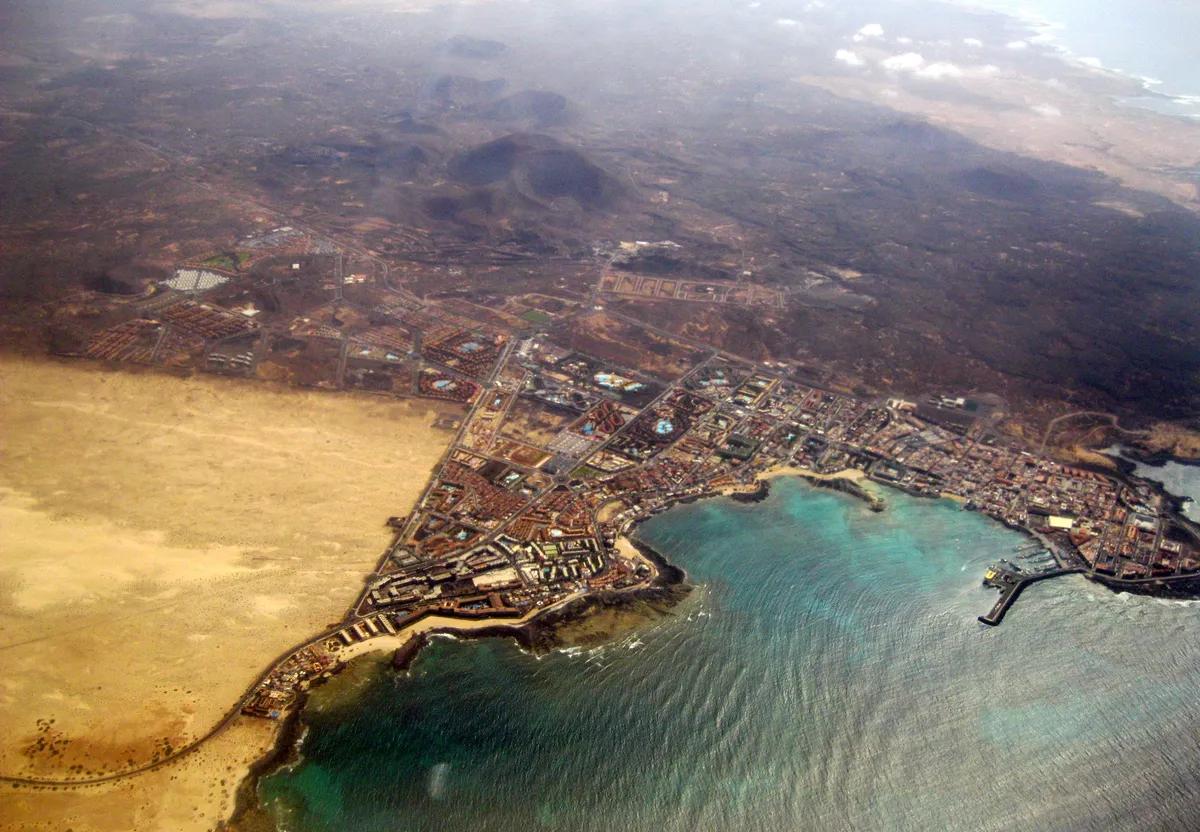
Corralejo
Fuerteventura
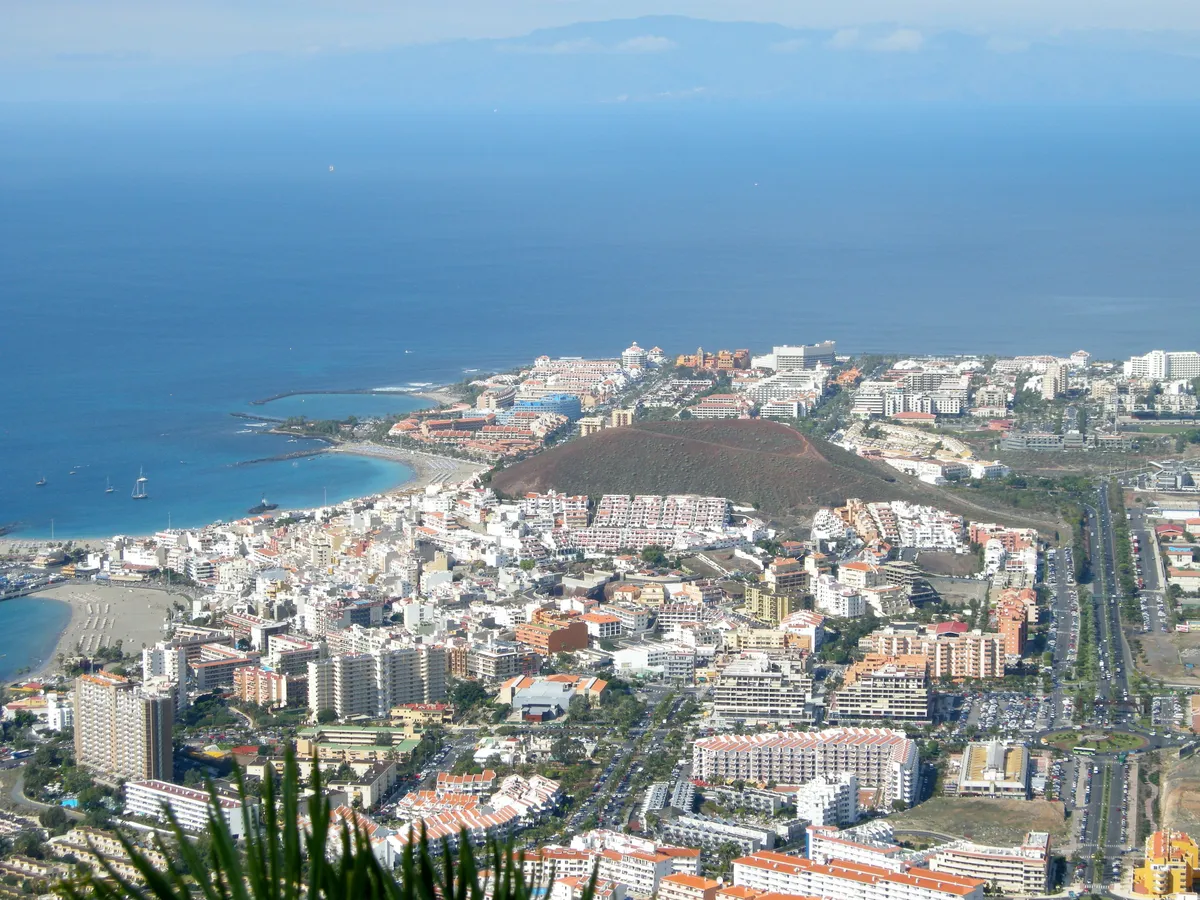
Costa Adeje, Playa de las Américas and Los Cristianos
Tenerife
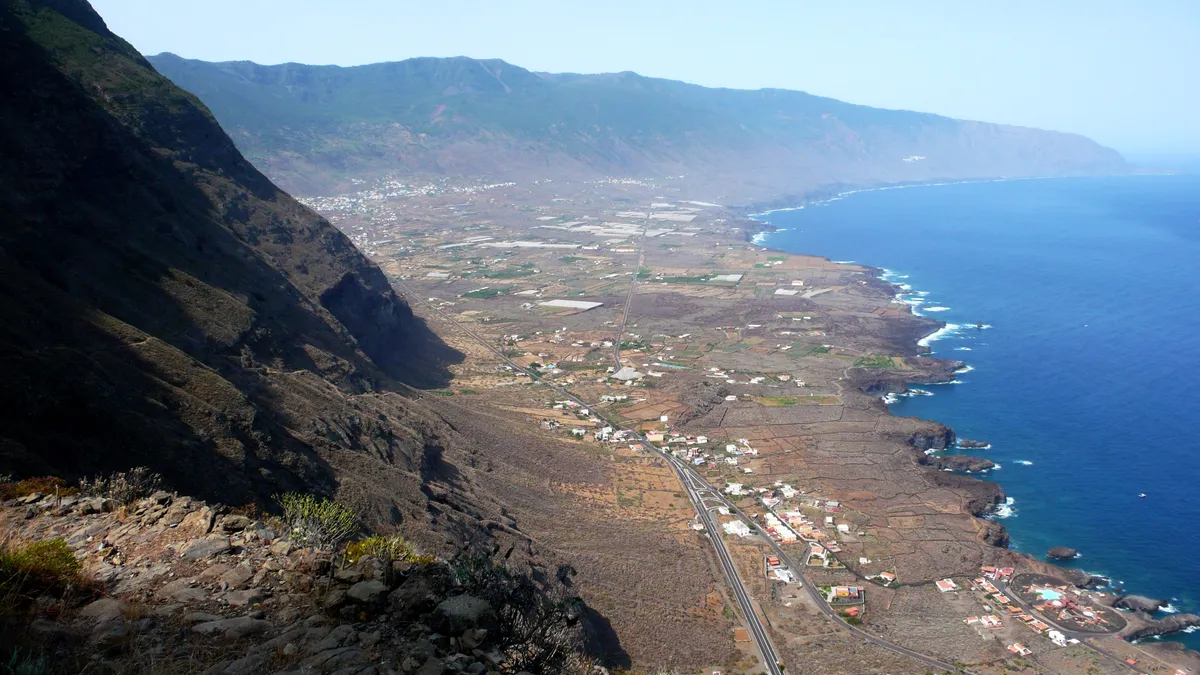
El Hierro
La Palma, La Gomera and El Hierro
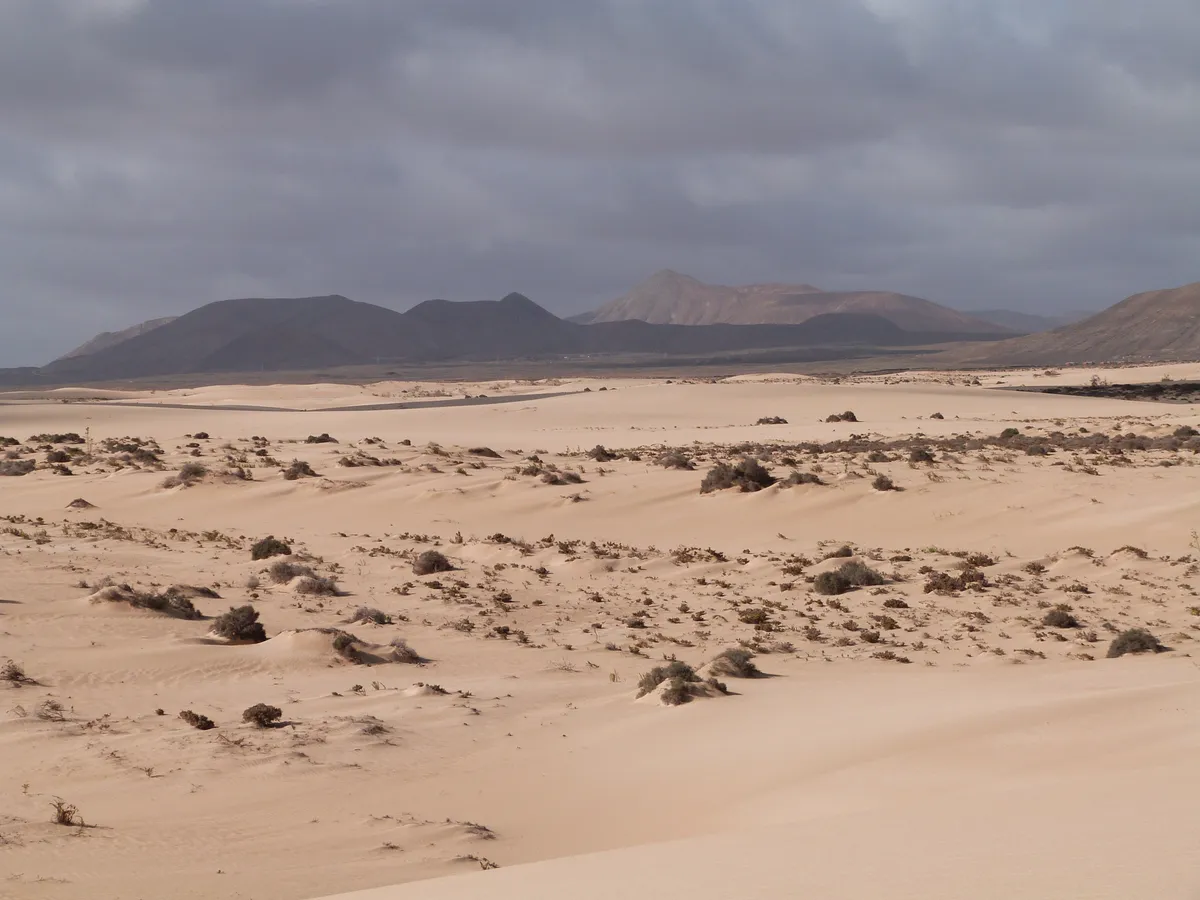
Fuerteventura
Fuerteventura
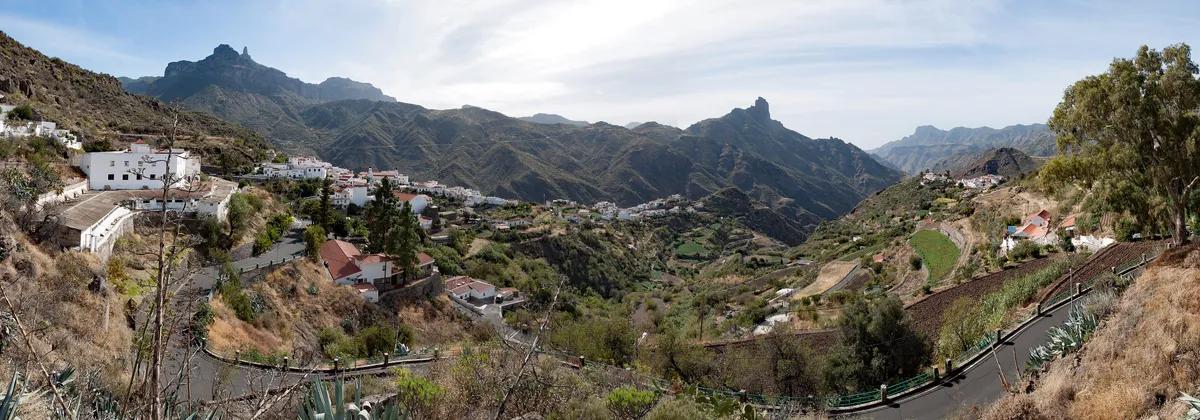
Gran Canaria
Gran Canaria
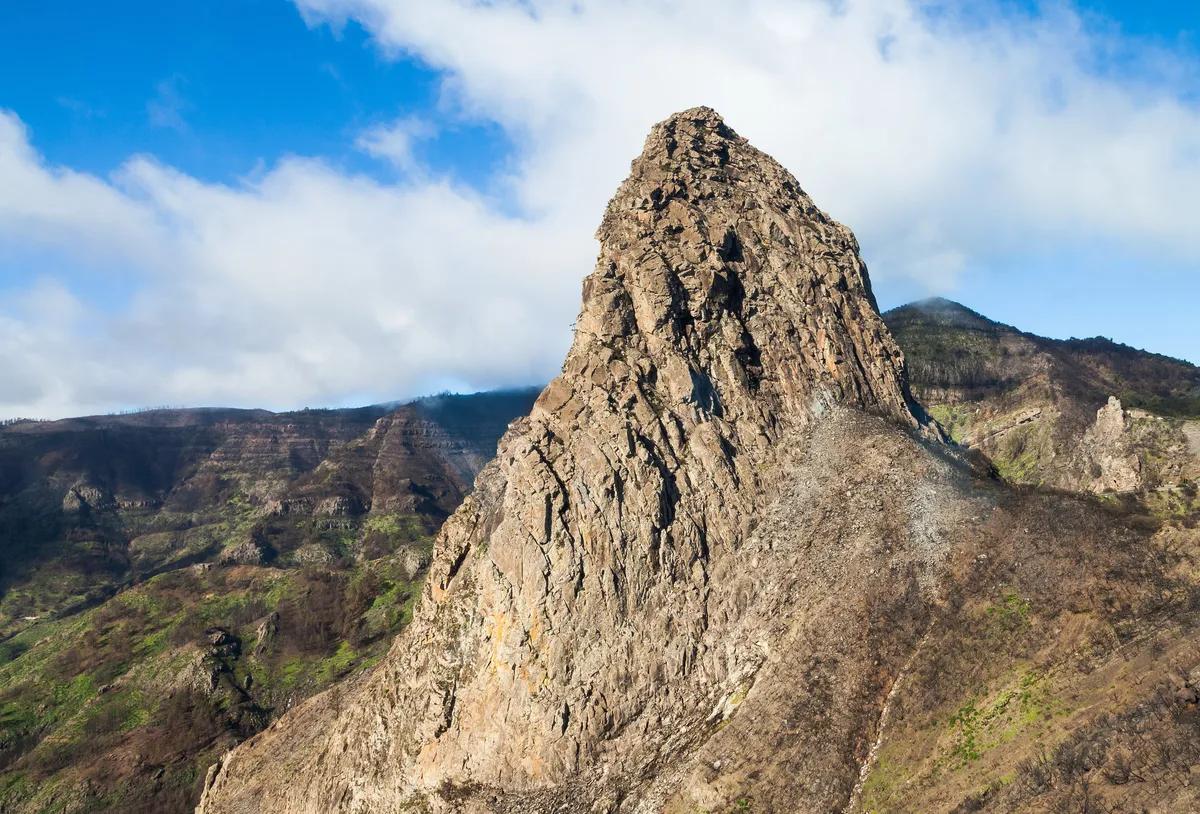
La Gomera
La Palma, La Gomera and El Hierro
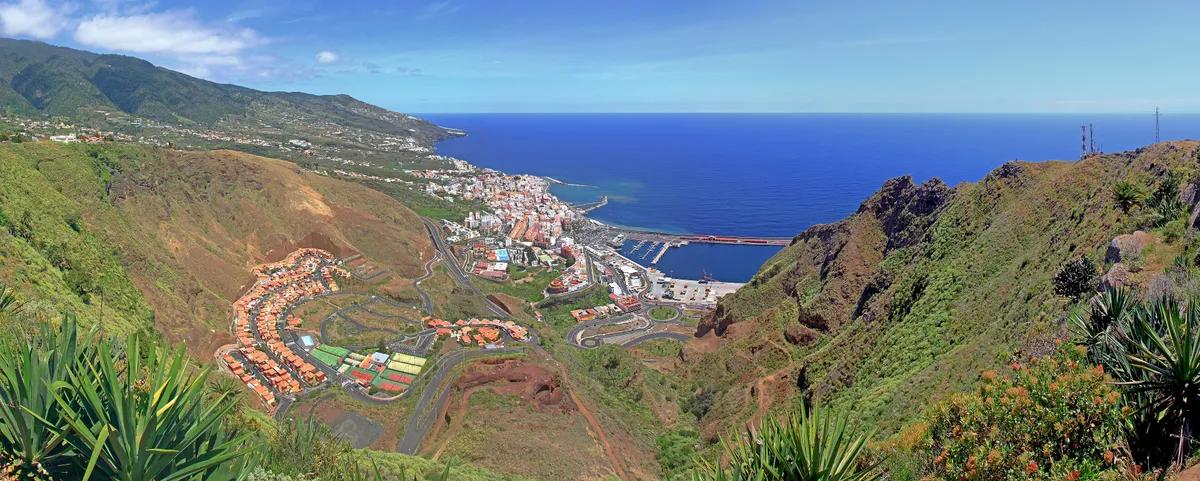
La Palma
La Palma, La Gomera and El Hierro
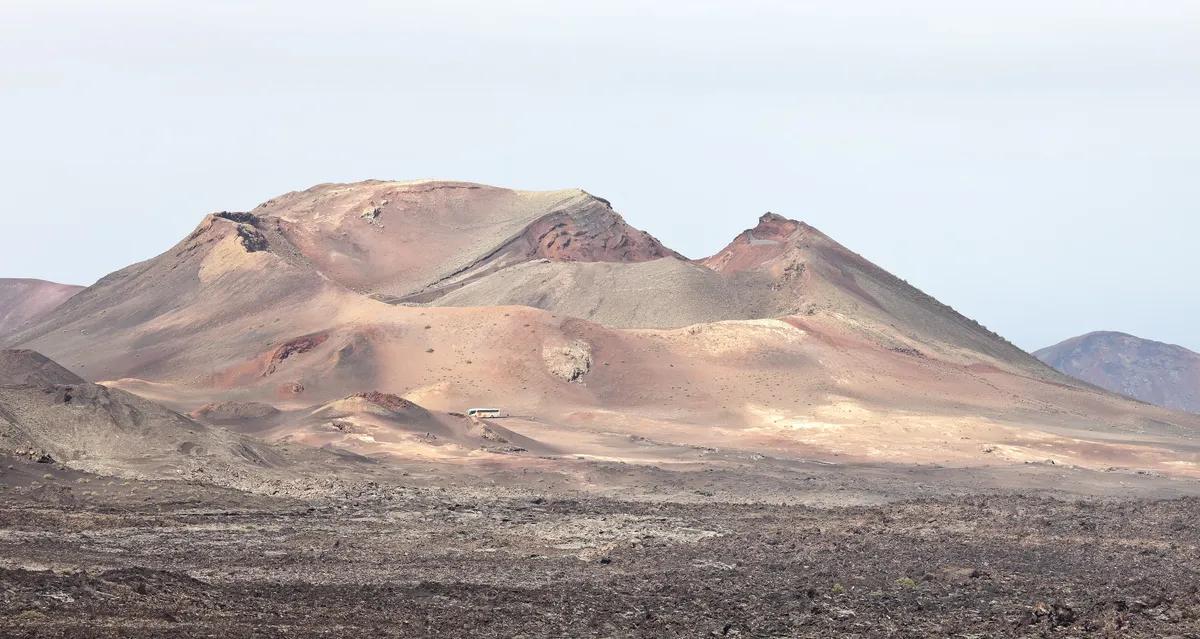
Lanzarote
Lanzarote
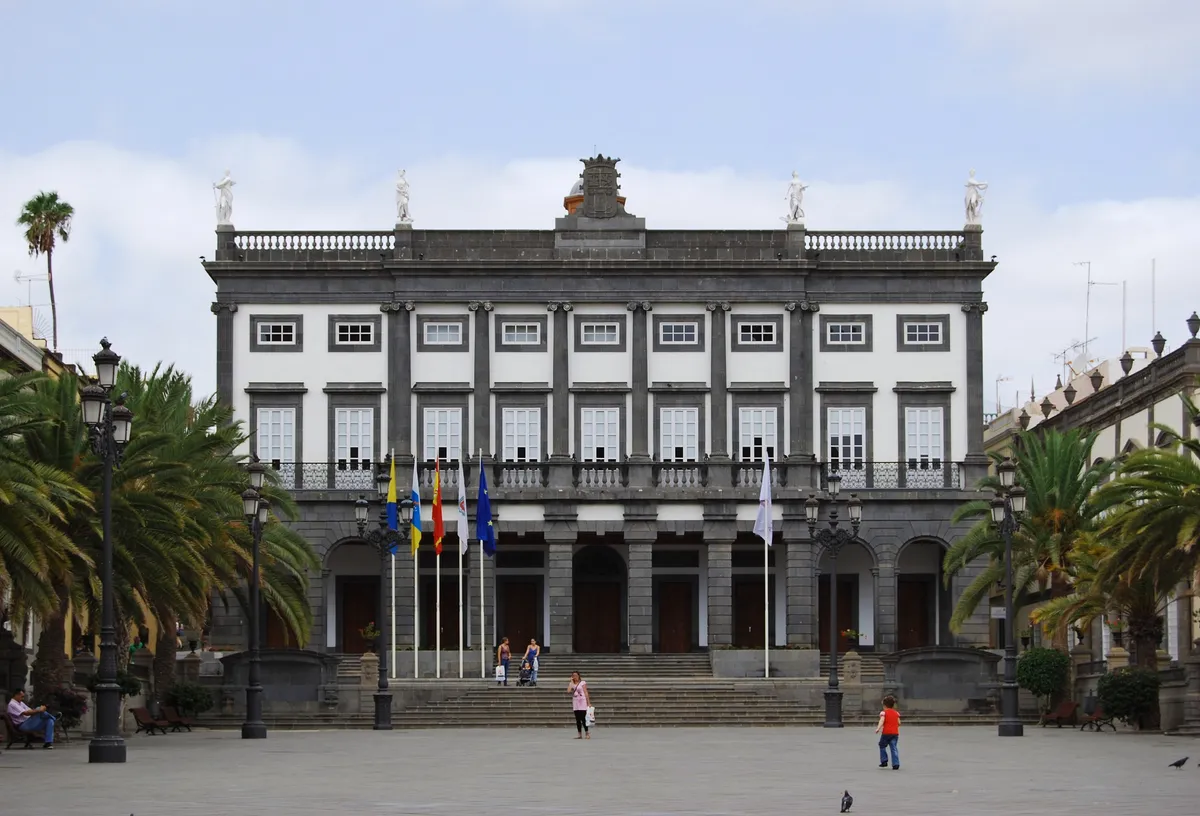
Las Palmas de Gran Canaria
Gran Canaria
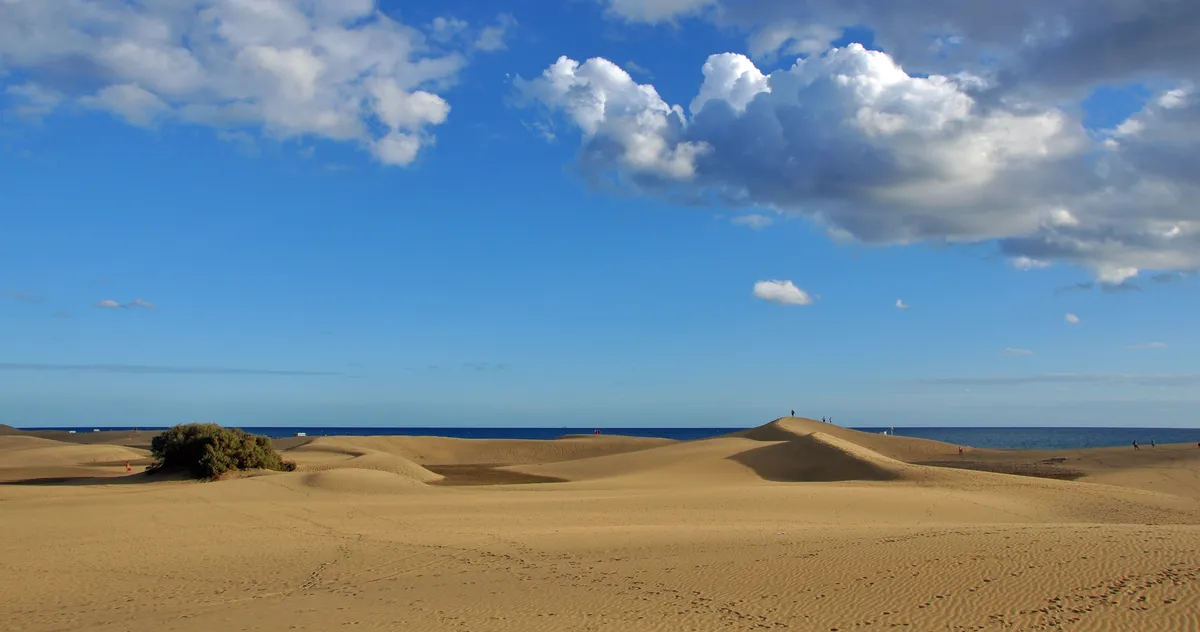
Maspalomas, Playa del Inglés and Meloneras
Gran Canaria
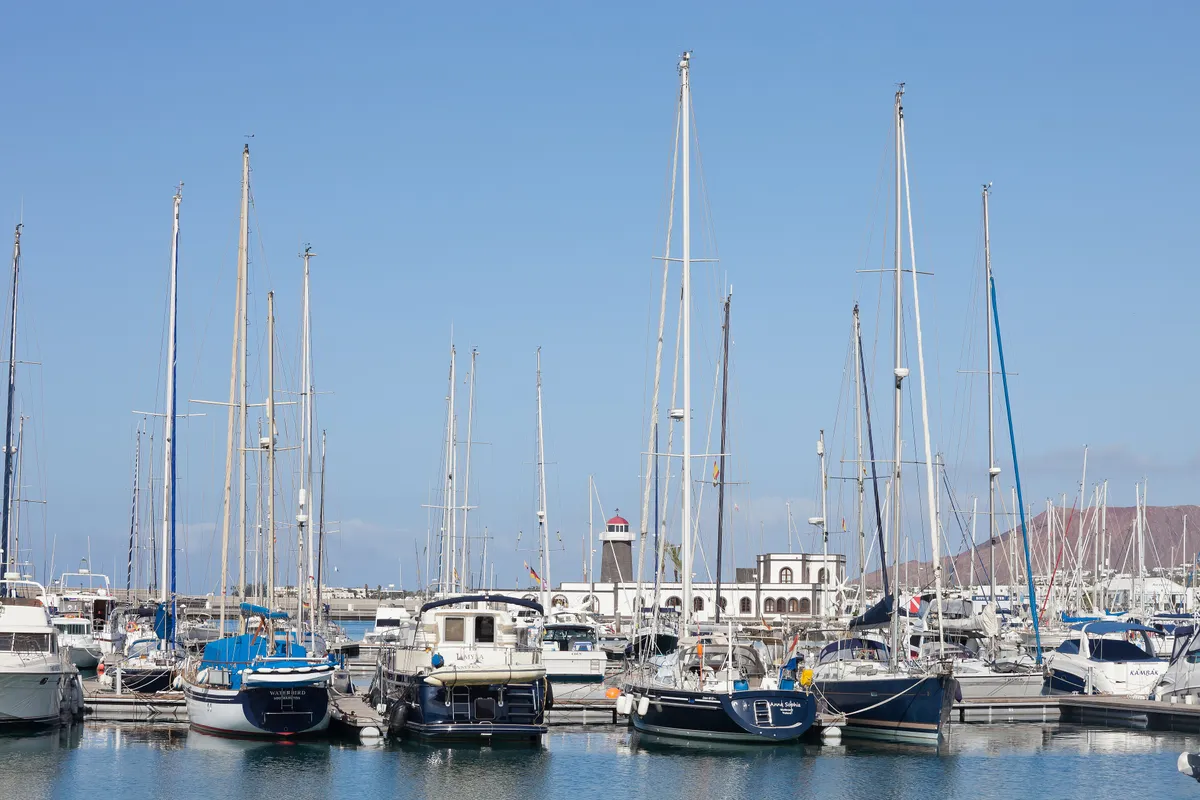
Playa Blanca
Lanzarote
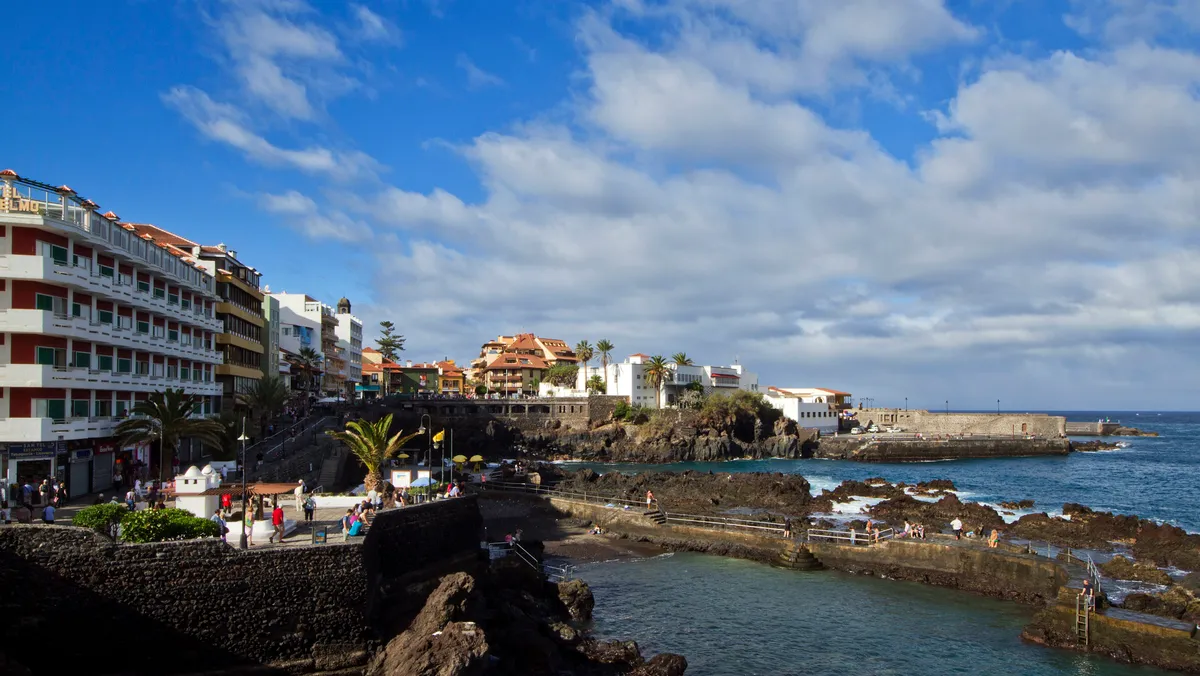
Puerto de la Cruz and the Orotava Valley
Tenerife
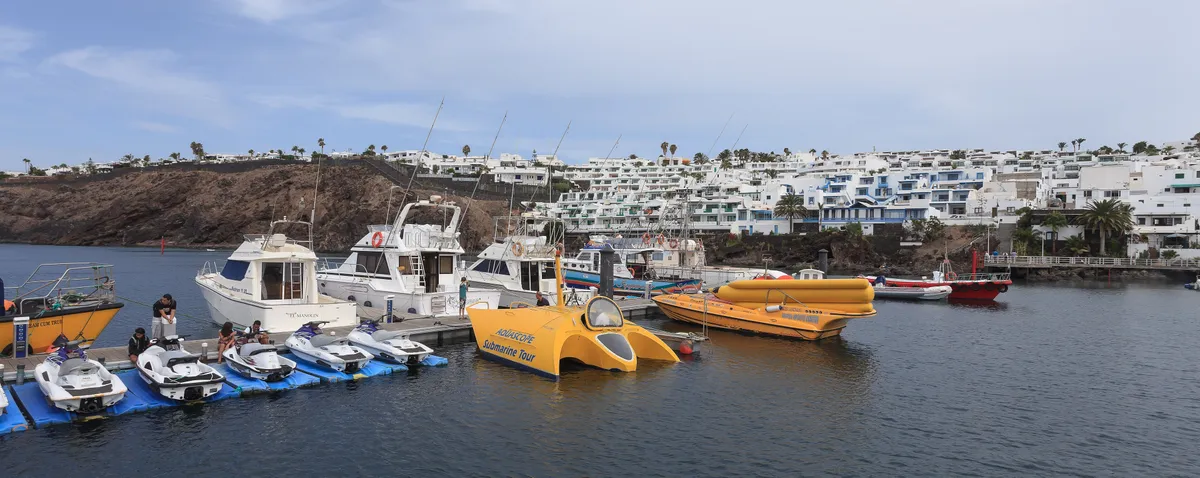
Puerto del Carmen
Lanzarote
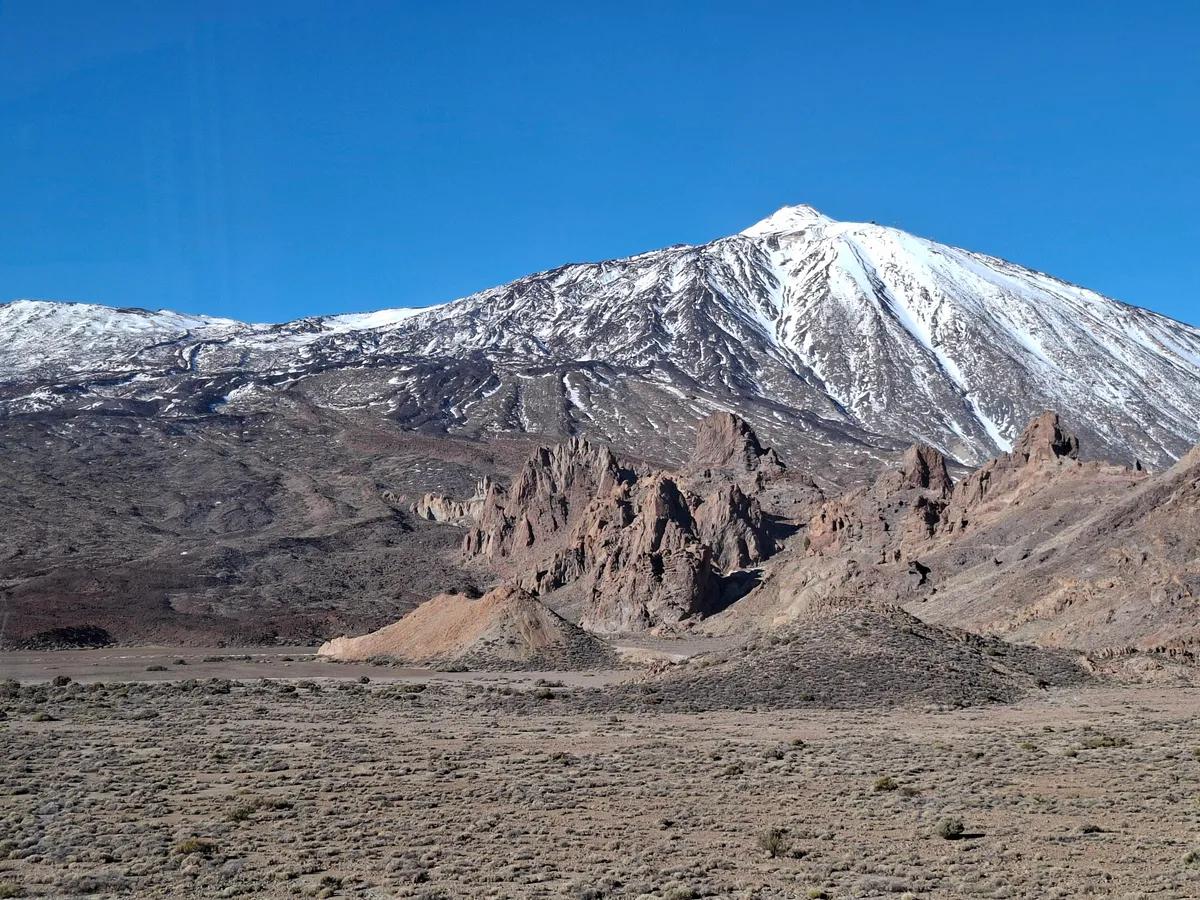
Tenerife
Tenerife