Maspalomas, Playa del Inglés and Meloneras
Maspalomas, Playa del Inglés and Meloneras form south Gran Canaria's resort coast: protected sand dunes, long beaches, the lighthouse promenade and the island's driest weather.
Maspalomas, Playa del Inglés and Meloneras
Maspalomas, Playa del Inglés and Meloneras form south Gran Canaria's resort coast: protected sand dunes, long beaches, the lighthouse promenade and the island's driest weather.
Maspalomas is the main resort area of Gran Canaria, in the Canary Islands, spread along the island's southern tip in the municipality of San Bartolomé de Tirajana. It takes in three linked areas: Playa del Inglés to the east, the dunes and lagoon of Maspalomas in the middle, and Meloneras to the west. This is a dry, sunny part of Gran Canaria with extensive resort accommodation.
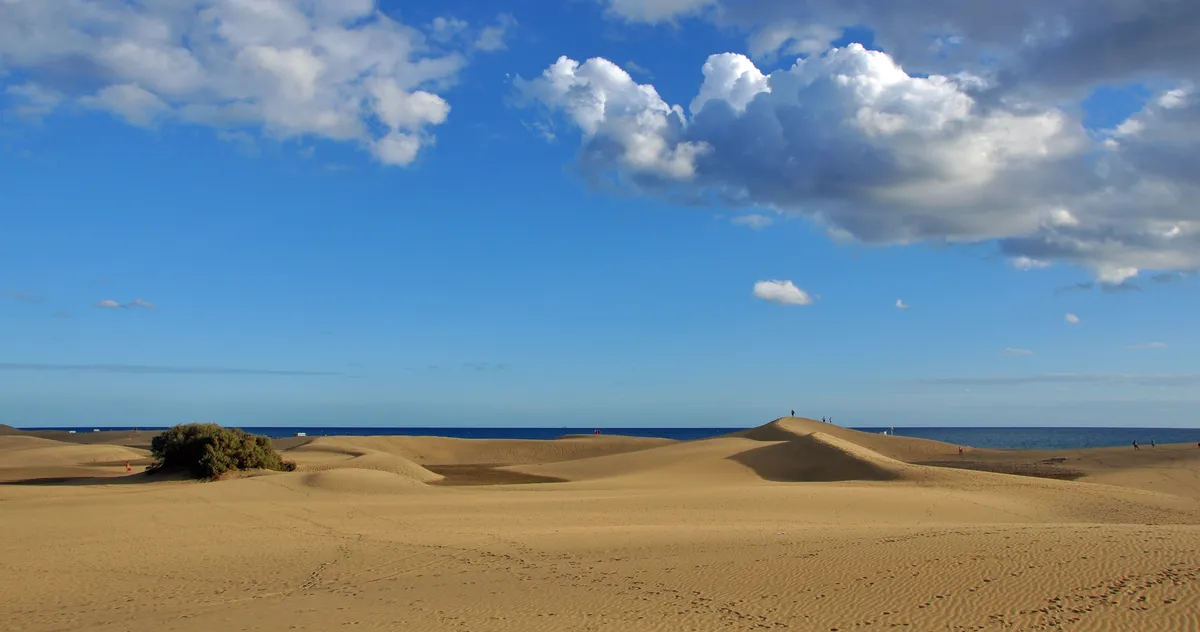
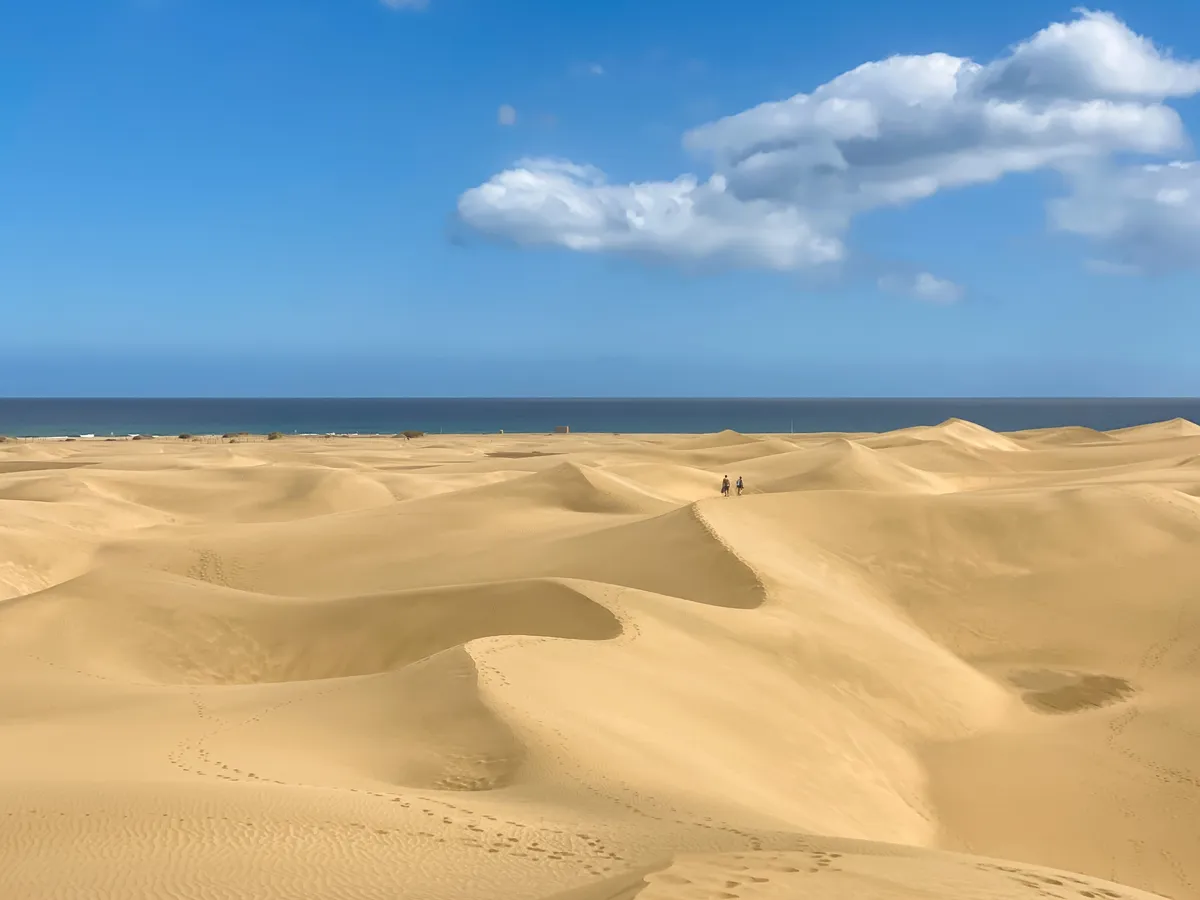
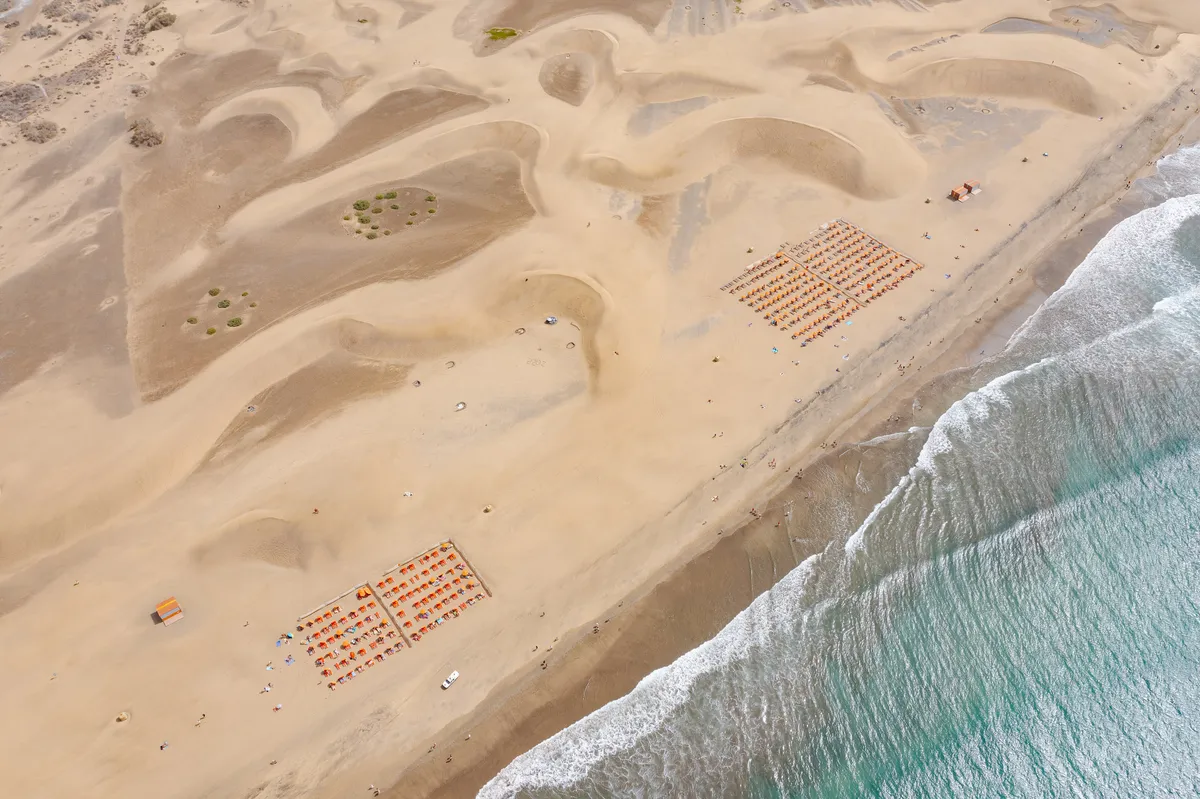
The centrepiece is the Maspalomas Dunes, a protected field of sand dunes between the two resorts, with a small lagoon, La Charca, at its western edge. The dunes meet the sea along Playa de Maspalomas, which continues east into Playa del Inglés, together one long sweep of sand. The Maspalomas lighthouse marks the western end, where a promenade leads on to Meloneras and its newer hotels. Stay on the marked paths through the dunes: the protected area has rules on where you can walk.
What to do
- Walk across the Maspalomas Dunes early in the morning, before the sand heats up.
- Spend a beach day on Playa del Inglés or Playa de Maspalomas.
- Stroll the lighthouse promenade from Maspalomas to Meloneras at sunset.
- Drive west to the harbour of Puerto de Mogán and the calm cove of Playa de Amadores.
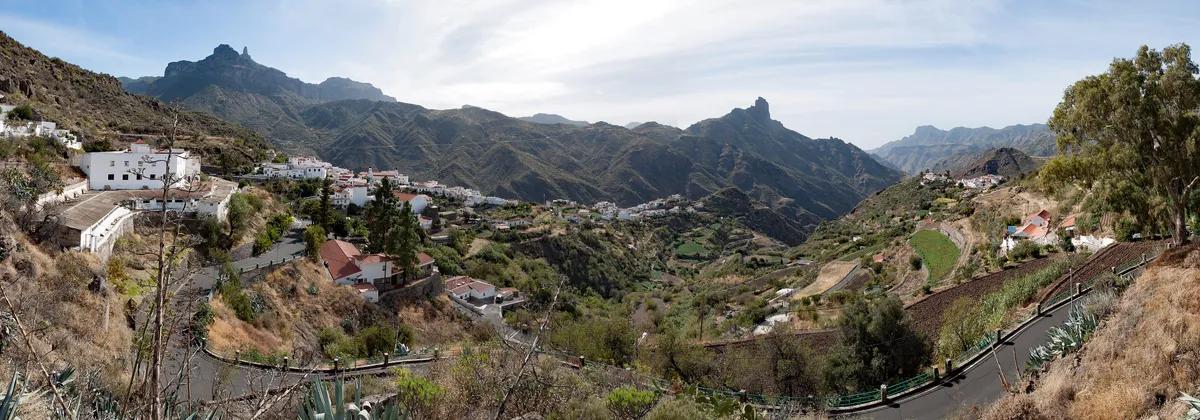
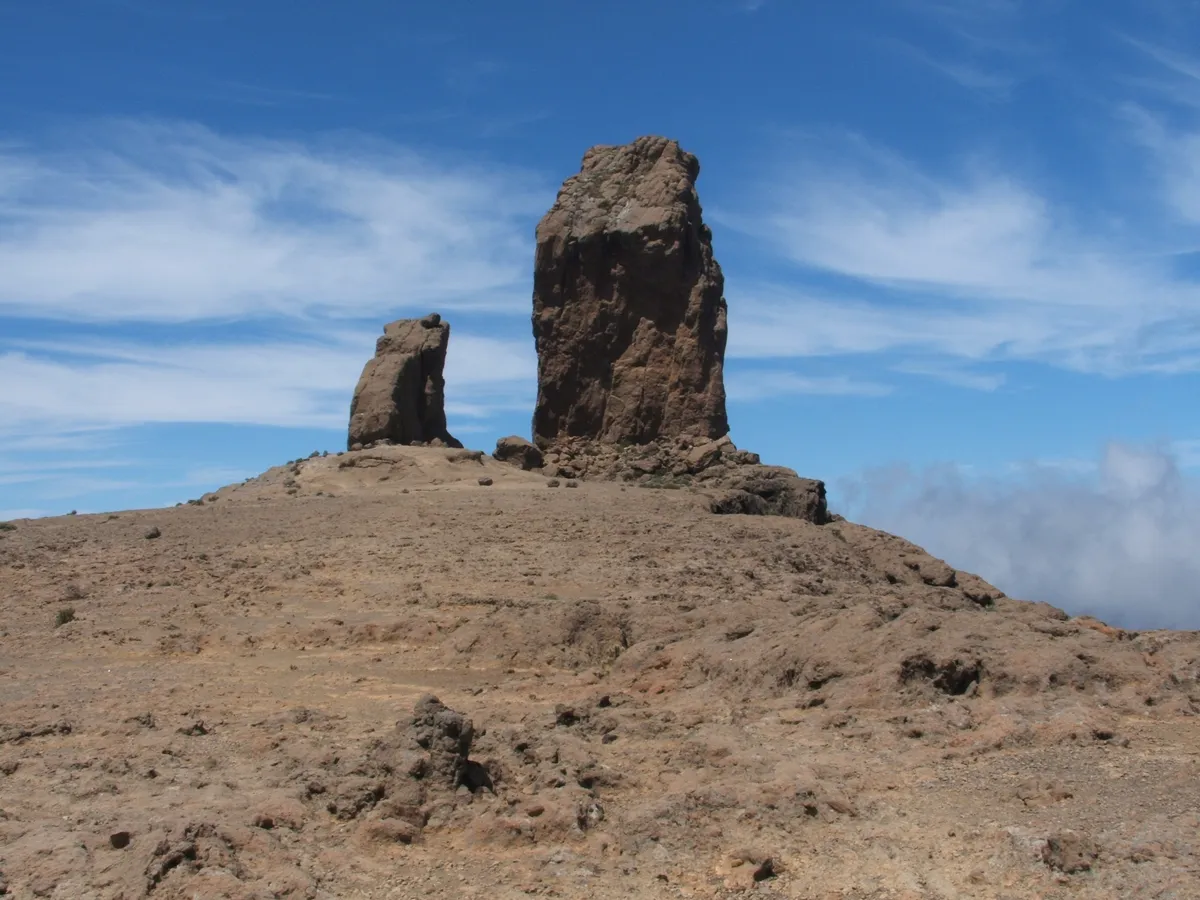
- Head inland to Roque Nublo for a mountain day, or play a round of golf near the resort.
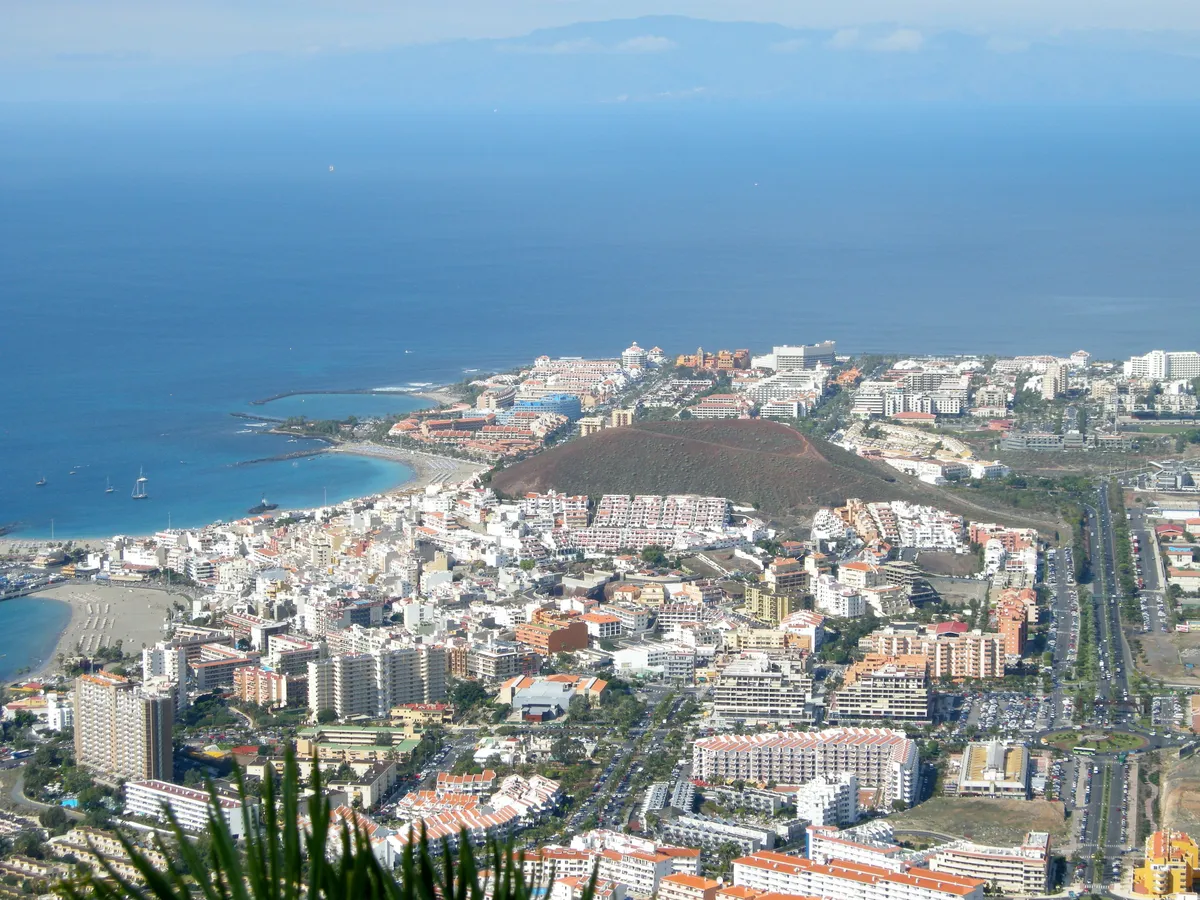
Playa del Inglés is the busiest section, with apartments, shopping centres and a well-known LGBTQ+ scene. Maspalomas and Meloneras are quieter, with more hotels and resort complexes. The area suits families, couples and winter-sun visitors looking for reliable weather and a long beach; it has less local town life than Las Palmas, which is linked by bus and road.
Gran Canaria Airport (LPA) lies up the east coast, a straightforward motorway transfer. From Maspalomas the rest of the island is easy to reach, from the mountain interior to the western coast and the remote beach of Güigüí. See things to do in Gran Canaria for more ideas.
Practical information
Photo gallery
Golden sand dunes of Maspalomas meeting the sea under a blue sky, Gran Canaria
Photo: Marc Ryckaert (MJJR) via Wikimedia Commons · CC BY 3.0 (https://creativecommons.org/licenses/by/3.0)
Beaches here
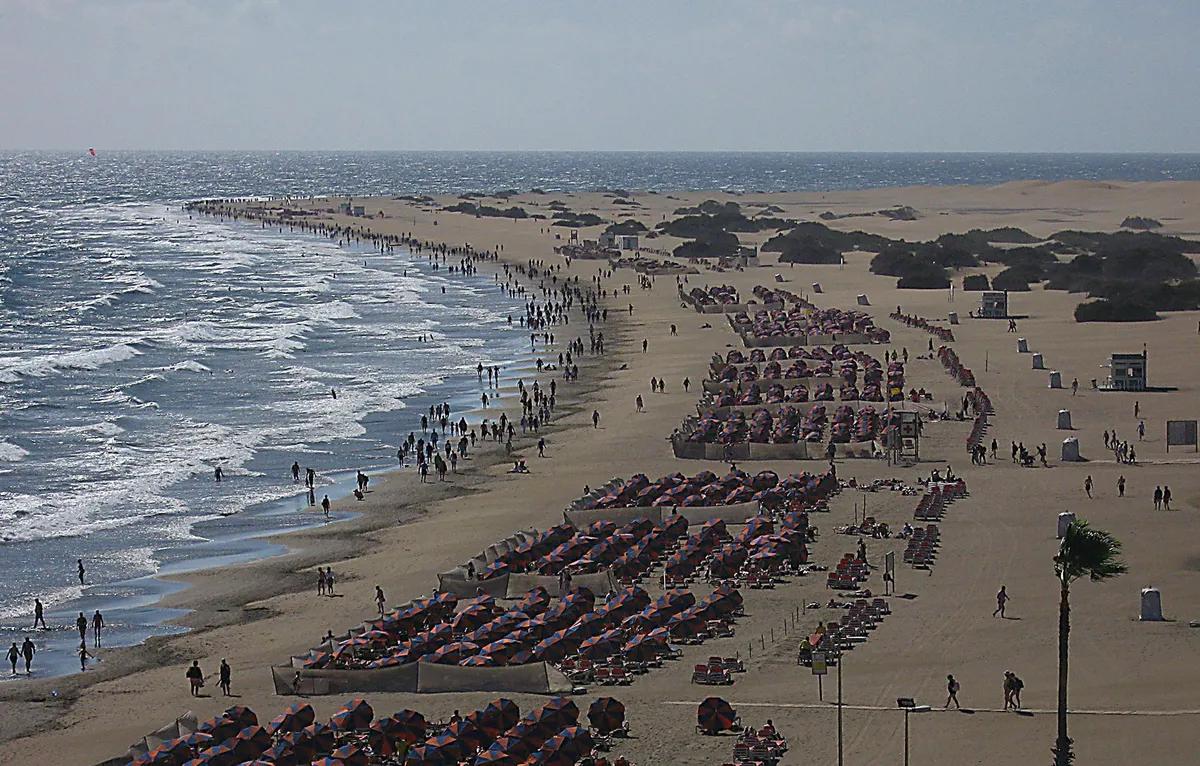
Playa del Inglés
The wide, busy resort beach of Playa del Inglés in south Gran Canaria, joined to Maspalomas beach and the dunes. Blue Flag in 2026, popular with families.
Playa de Maspalomas
A long golden beach in south Gran Canaria, backed by the protected Maspalomas dunes and the 1890 lighthouse. Blue Flag in 2026, with quiet naturist sections.
Maspalomas, Playa del Inglés and Meloneras questions
Can you walk on the Maspalomas Dunes?
+
Yes, on the marked paths. The dunes are a protected nature reserve, and walking off the permitted routes is not allowed. Go early or late in the day, as the sand gets very hot, and carry water. The walk across leads to the sea at Playa de Maspalomas.
What is the difference between Maspalomas, Playa del Inglés and Meloneras?
+
They are neighbouring parts of the same resort area in south Gran Canaria. Playa del Inglés, to the east, is the busiest, with apartments, shopping centres and nightlife. Maspalomas sits around the dunes and the lighthouse. Meloneras, to the west, is newer and quieter, with larger hotels and a seafront promenade.
Is Maspalomas good in winter?
+
Yes. The south of Gran Canaria is generally dry and sunny, which is why it fills with winter-sun visitors from the UK and northern Europe. Evenings can feel cool, so pack a light jacket.
How far is Maspalomas from Gran Canaria Airport?
+
Gran Canaria Airport (LPA) lies north up the east coast, connected to Maspalomas by the GC-1 motorway, so the transfer is direct. Global buses, taxis and hire cars all run the route.
What is there to do near Maspalomas besides the beach?
+
Drive west to the harbour of Puerto de Mogán, swim in the calm cove of Playa de Amadores, or head inland to the mountain villages and Roque Nublo. Golf courses lie close to the resort, and Las Palmas is another option for a city day.
Keep reading
Travel Guides
Helpful guides for planning your trip to Maspalomas, Playa del Inglés and Meloneras
 Experiences
Things to Do in Gran Canaria: A Guide by Interest
Things to do in Gran Canaria range from the Maspalomas dunes and a booked walk to Roque Nublo to Vegueta, Las Canteras, Puerto de Mogán and the Agaete ferry.
 Beaches Nature
Best Beaches in the Canary Islands: 20 Picks by Island
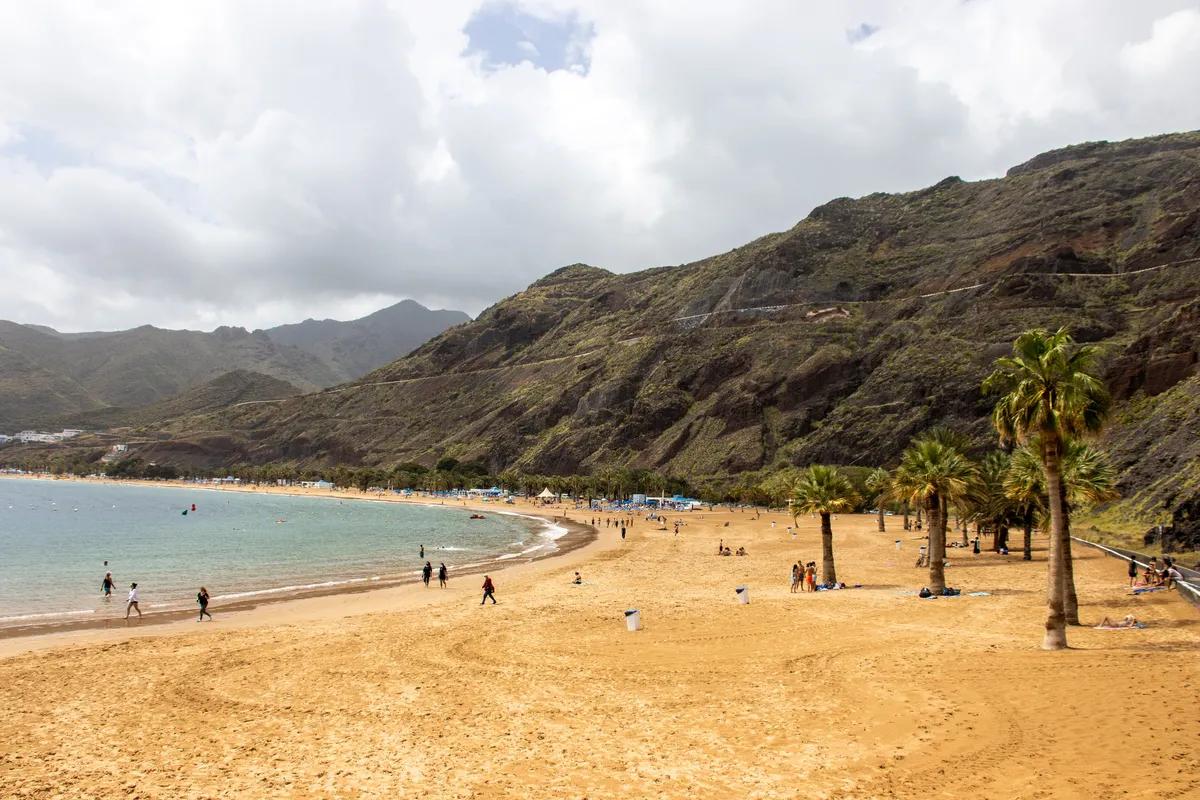
Twenty Canary Islands beaches on six islands, from Tenerife to La Palma, with honest notes on access, wind and currents and the official 2026 Blue Flag list.
 Planning
Canary Islands in Winter: December to February Guide
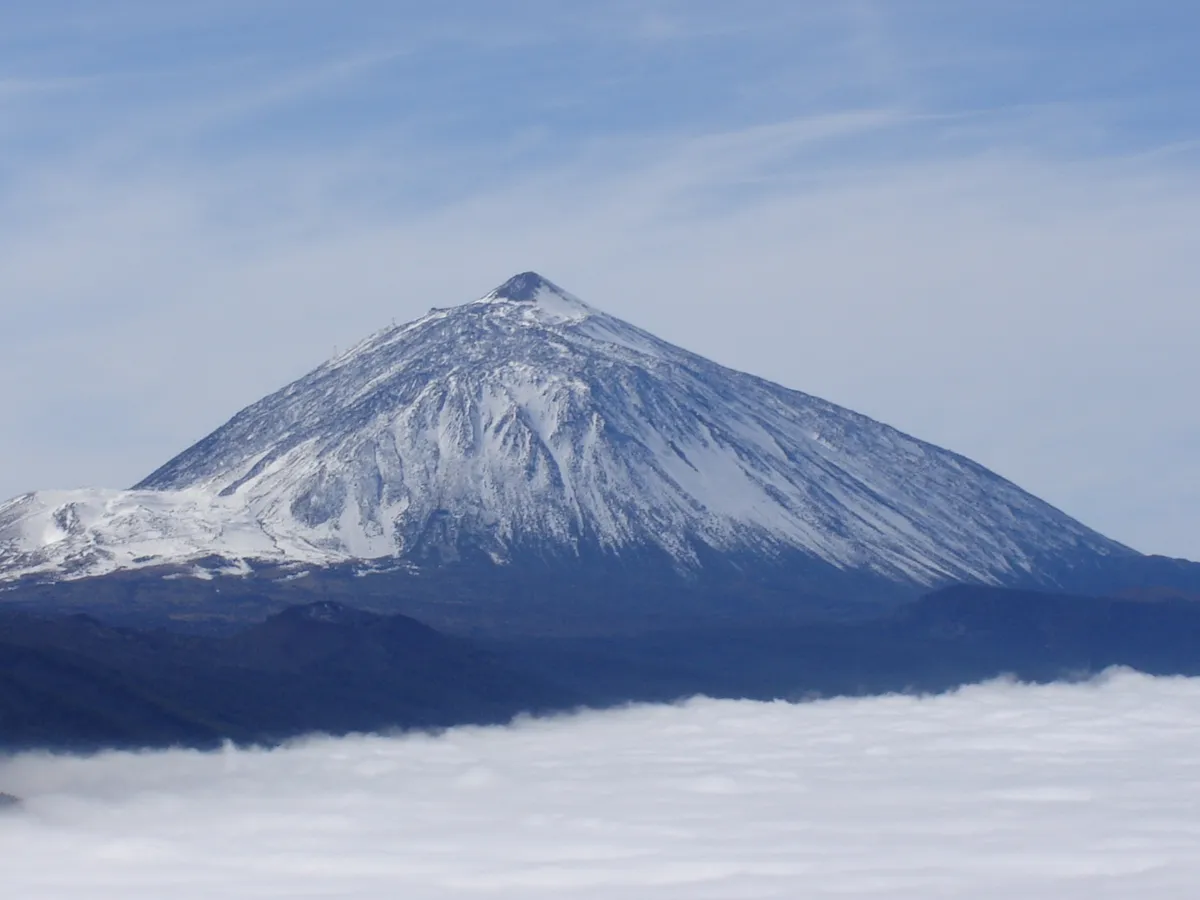
From December to February the Canary Islands coastal airports average highs of about 21 to 23C and lows of about 14 to 17C, and the sea sits near 19 to 21C.
Keep exploring
Nearby Destinations
Explore more places near Maspalomas, Playa del Inglés and Meloneras