Whale and Dolphin Watching in the Canary Islands
Resident pilot whales and dolphins off south-west Tenerife, on licensed boats
Whale and Dolphin Watching in the Canary Islands
See resident pilot whales and bottlenose dolphins in the protected Teno-Rasca strip off south-west Tenerife. How to spot a licensed Blue Boat and the rules at sea.
Whale and dolphin watching in the Canary Islands centres on one stretch of sea: the Franja Marina Teno-Rasca, the protected marine strip off the south-west coast of Tenerife. It was declared a Special Area of Conservation (ZEC) in 2011, and Spain's environment ministry (MITECO) describes it as the area with the largest supply of recreational whale watching in all the Canary Islands. The draw is a resident population of short-finned pilot whales that can be seen all year, together with bottlenose dolphins.
Tenerife's island tourism board says up to 21 species have been recorded in these waters, from the resident pilot whales and dolphins to occasional visitors, with May and June especially good for extra species. Boats leave from Los Cristianos in Arona and Puerto Colón in Costa Adeje and from Los Gigantes, under the Los Gigantes cliffs. Trips run from short outings on small fast boats to longer cruises of up to about five hours with a swim stop and a meal on board.
Choose a licensed boat
Recreational whale watching in Spain needs prior authorisation from MITECO, which publishes a search tool of authorised companies. In the Canary Islands, the Barco Azul/Blue Boat emblem appears on a yellow flag under the regional tourism scheme. Check the vessel against the Canary government's boat list as well as MITECO's authorised-company search before booking. The tourism declaration and the ministry's environmental authorisation are separate requirements. In September 2023 the ministry announced a moratorium on new whale-watching authorisations inside the Teno-Rasca ZEC, citing growing boat traffic and studies of stress in the resident pilot whales, until a study of how much activity the population can bear is complete.
The rules at sea
- Royal Decree 1727/2007 sets an exclusion zone of at least 60 metres around any whale or dolphin, which boats may not deliberately enter except for emergencies or urgent safety and health needs. If animals approach a boat, the decree specifies how the skipper must respond.
- Between 60 and 300 metres, no more than two boats may stay at the same time, and boats keep to four knots or less, never faster than the slowest animal, and never circle, chase or cut across a group. Boats must not enter this zone around an isolated adult with a calf or an isolated calf.
- Swimming or diving in the exclusion zone, feeding the animals and touching them are banned. Tenerife's tourism board adds a maximum watching time of 30 minutes.
- If you find an injured or stranded whale or dolphin, call 112.
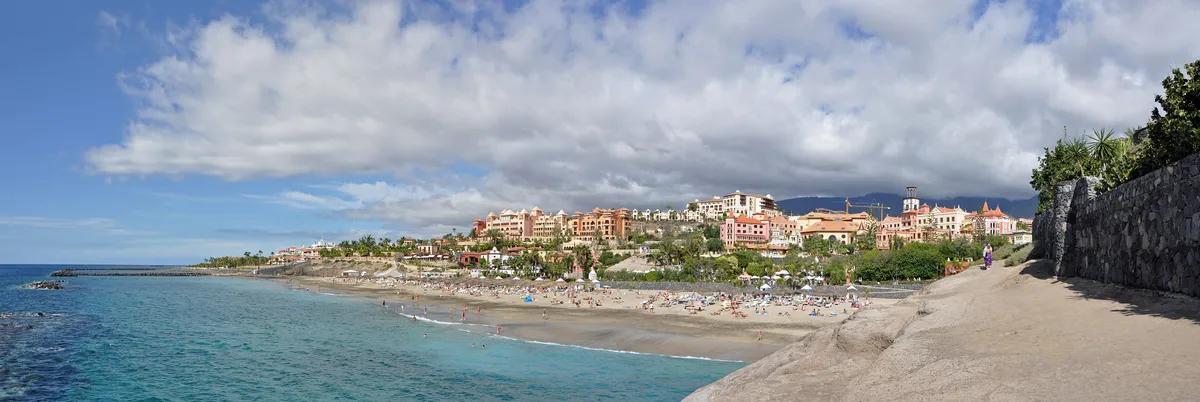
Ministry studies also follow pilot whale groups off Anaga in north-east Tenerife and off El Hierro, where boat traffic is much lighter, but south-west Tenerife is where the regular departures are. Combine a morning at sea with a beach afternoon at Playa del Duque, or with diving along the same coast.
Take sun cream, binoculars, a warm layer for the open sea and a seasickness remedy if you need one, and book with an operator that shows its Blue Boat flag.
What to know before you go
Plan this experience
The essentials for booking Whale and Dolphin Watching in the Canary Islands and getting there.
Photo gallery
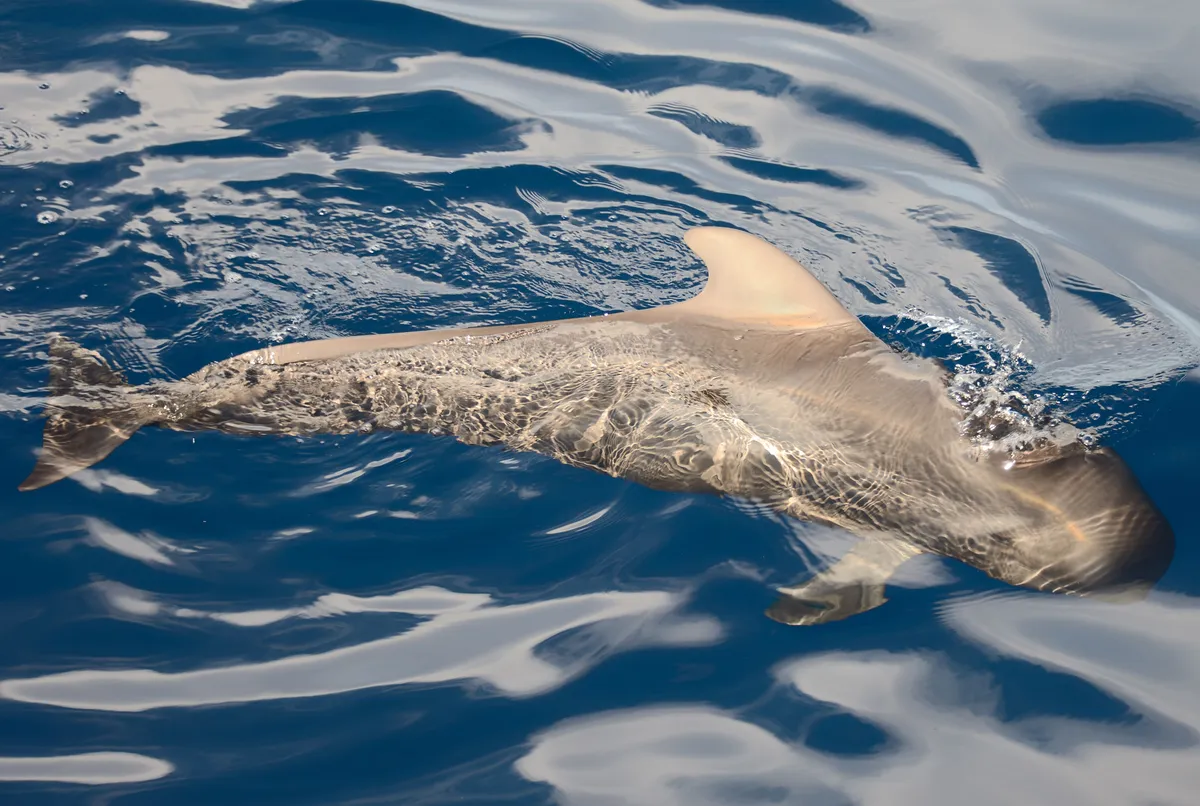
Short-finned pilot whale swimming at the surface off western Tenerife
Photo: Cayambe via Wikimedia Commons · CC BY-SA 3.0 (https://creativecommons.org/licenses/by-sa/3.0)
Frequently asked questions
Keep reading
Travel Guides
Helpful guides for planning your trip to Costa Adeje, Playa de las Américas and Los Cristianos
 Beaches Nature
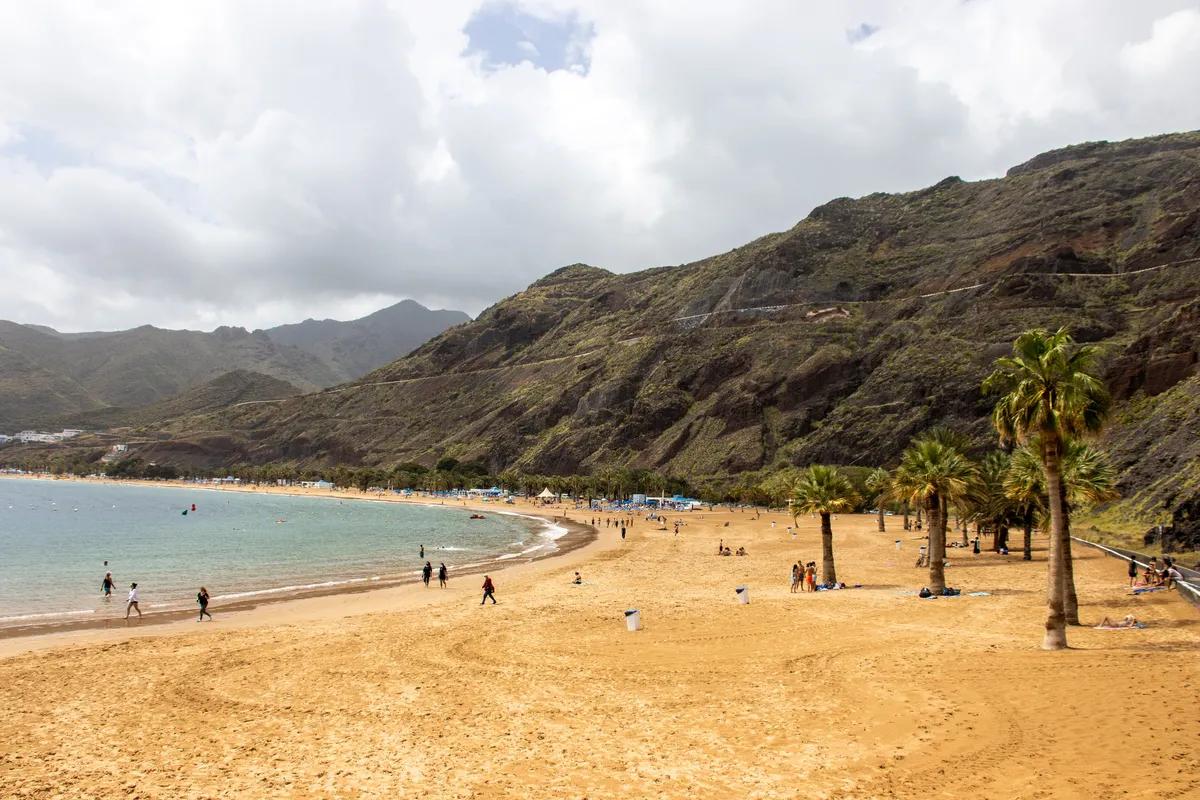
Best Beaches in the Canary Islands: 20 Picks by Island
Twenty Canary Islands beaches on six islands, from Tenerife to La Palma, with honest notes on access, wind and currents and the official 2026 Blue Flag list.
 Experiences
Things to Do in Tenerife: Teide, the North and the Coast
Things to do in Tenerife, Canary Islands, sorted by interest: Teide, the north, the southern resorts, whales, beaches, towns, family days and bad-weather plans.
 Areas Islands
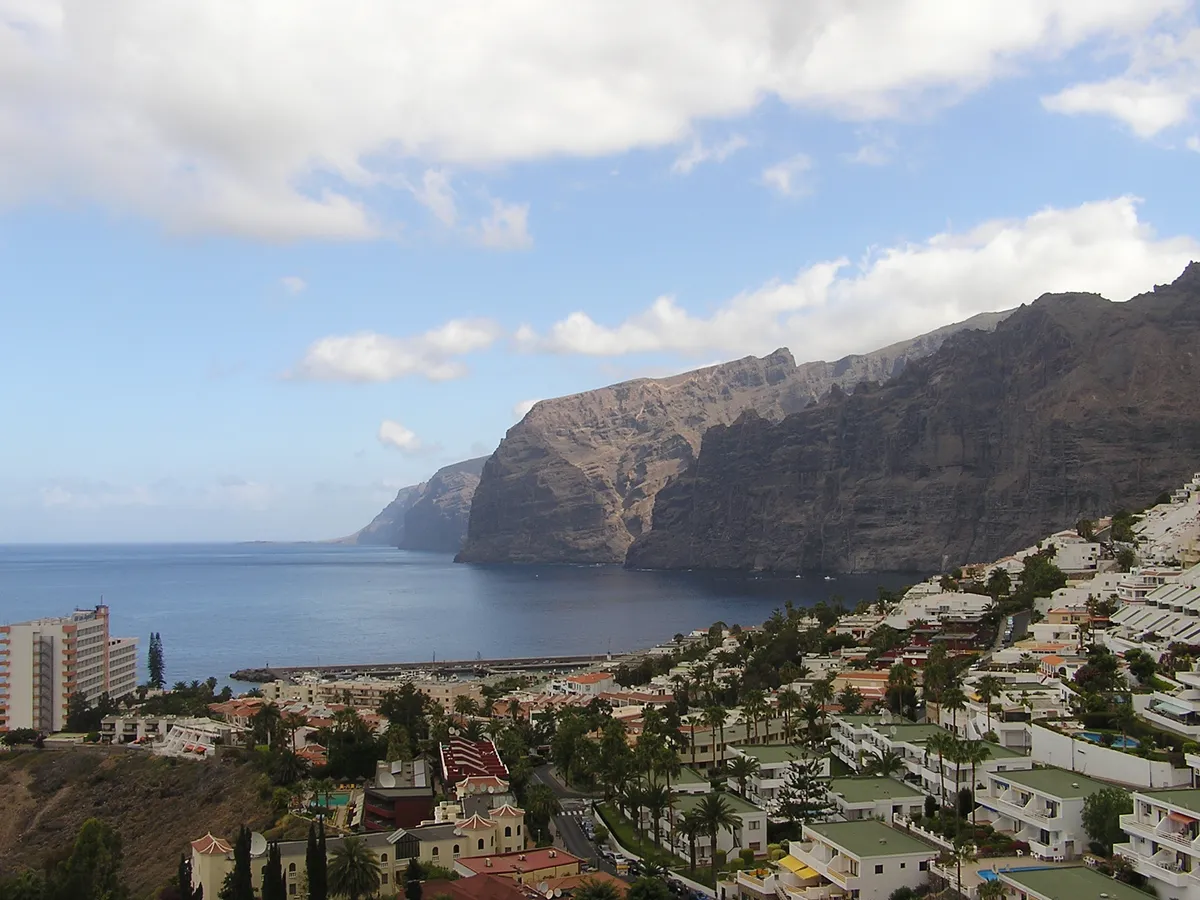
Where to Stay in Tenerife: Best Areas by Traveller Type
Pick a Tenerife base by who you travel with, how much sun you need and which airport you land at: the sunny south, the greener north, the cities or the country.
More to Explore in Costa Adeje, Playa de las Américas and Los Cristianos
Discover beaches, attractions, activities, and more in the same area
Similar activities and experiences
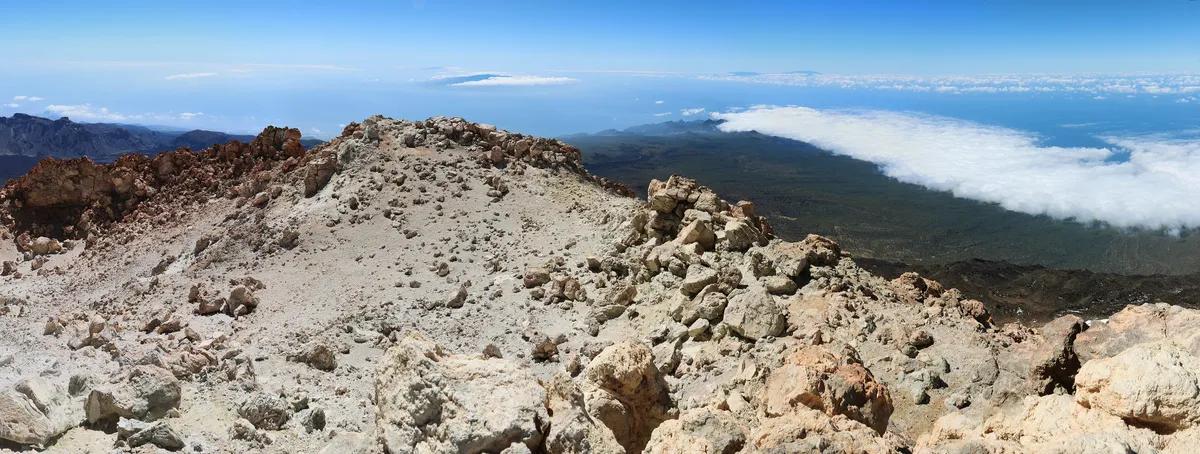
Climbing Mount Teide

Hiking in the Canary Islands
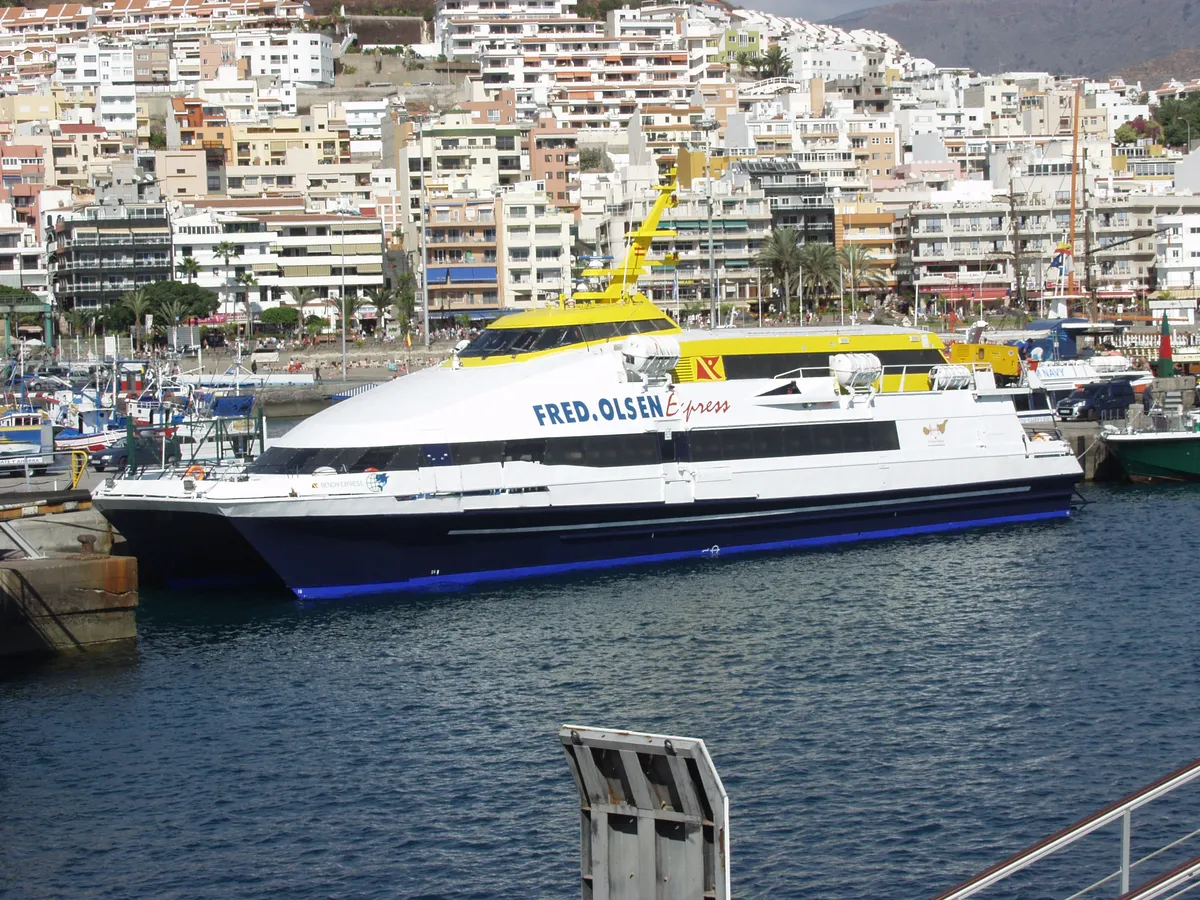
Island Hopping by Ferry and Plane
Cycling in the Canary Islands
Paragliding in Tenerife