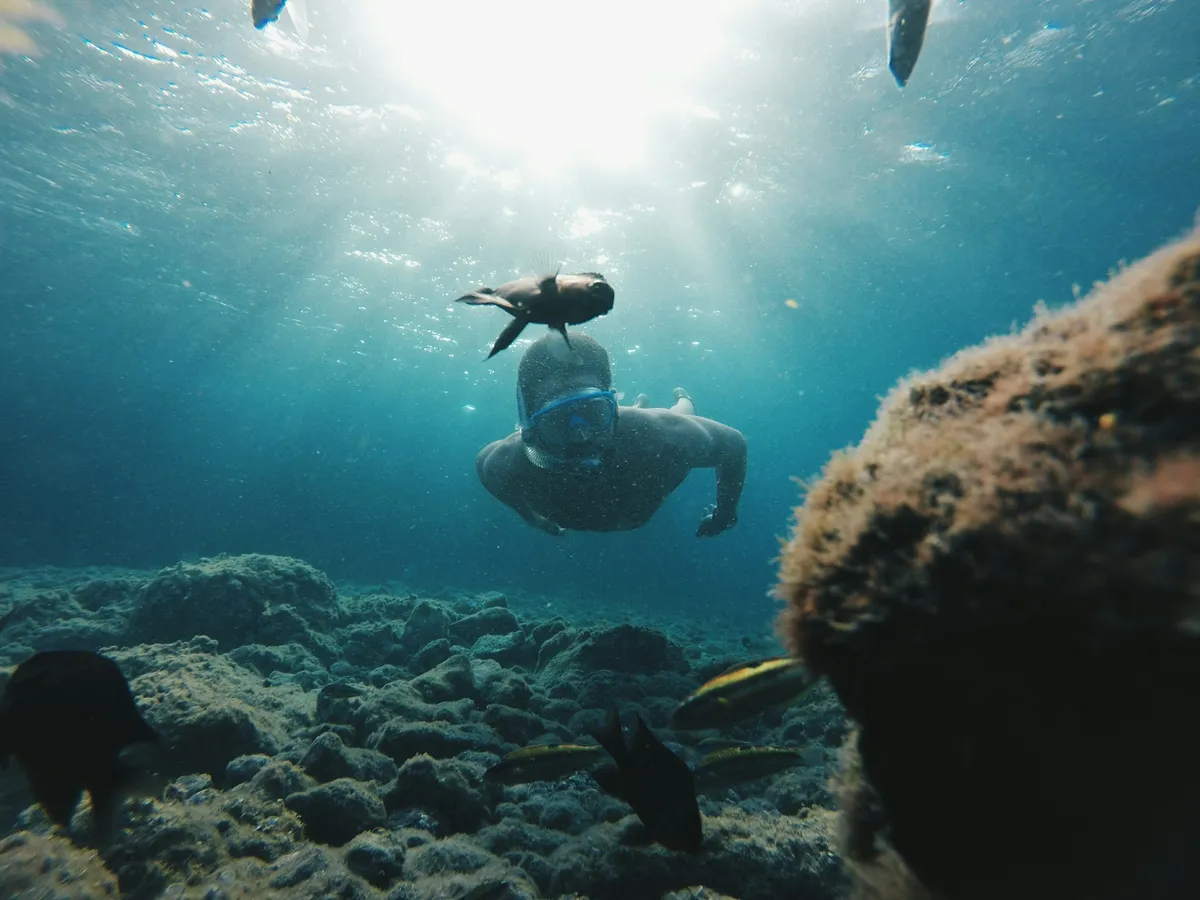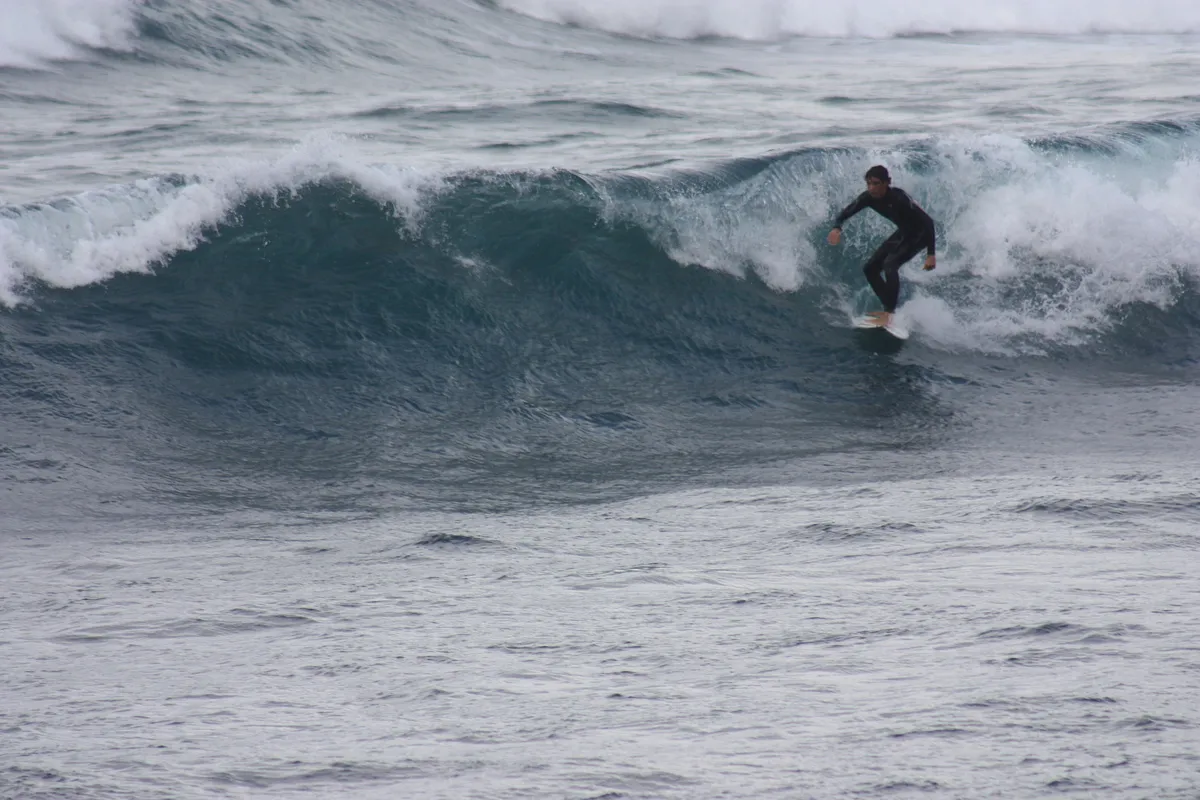
Surfing in the Canary Islands
Atlantic swell on north-facing coasts, from Famara to Gran Canaria's north shore
Surfing in the Canary Islands
Surf Famara and El Quemao on Lanzarote, the north shore of Gran Canaria or Tenerife's north coast. Which island and coast suits beginners, and where experts go.
The Canary Islands catch Atlantic swell on their north and north-west coasts, so where you surf depends more on which side of an island you are on than on which island you pick. As a rule, the north shores have the strongest and most frequent waves and the south coasts are gentler, which is why surf schools and beginners often work the sheltered southern beaches while experienced surfers chase the north.
Lanzarote
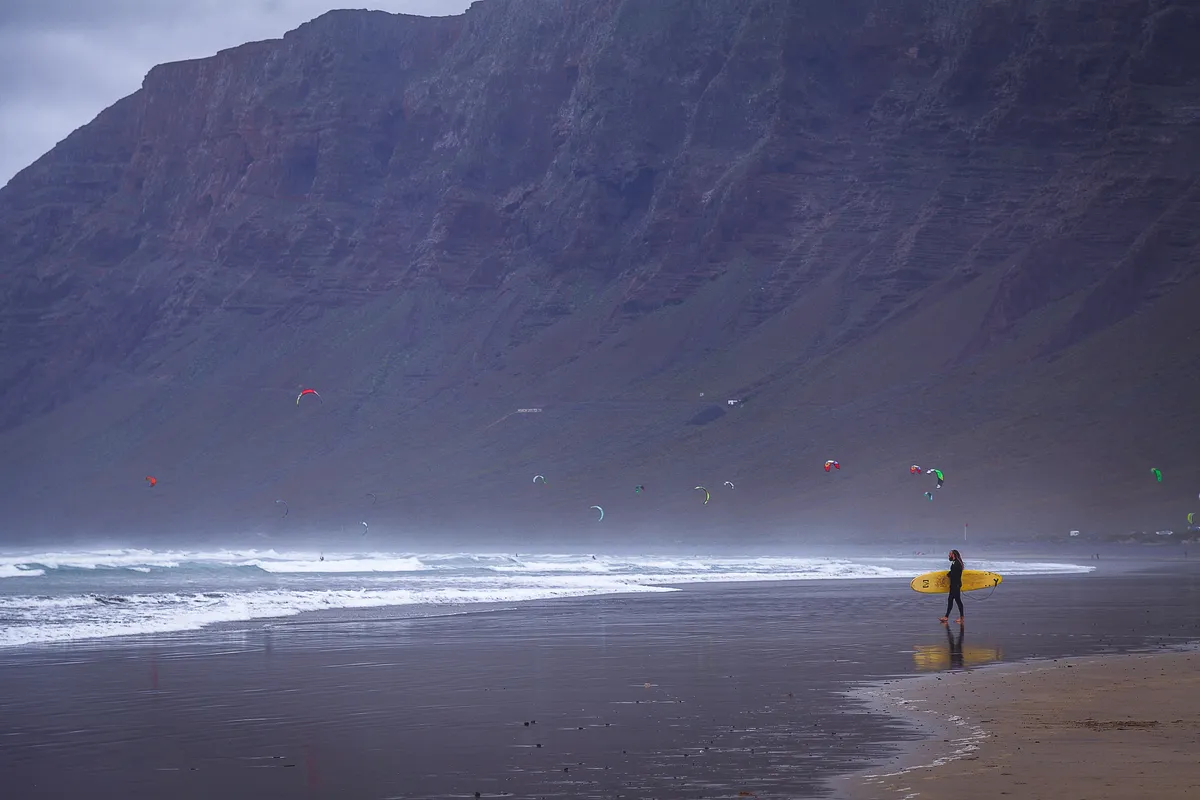
The tourism board of Lanzarote calls Playa de Famara and the village of La Caleta, in Teguise, an international reference for board sports. The long beach sits inside the Chinijo archipelago natural park under the Famara cliffs, and is where many surfers first learn in the whitewater. At La Santa, in Tinajo, El Quemao is a powerful left-hand wave breaking over volcanic rock: it is for experts only.
Gran Canaria
On Gran Canaria, the island's tourism board names the north as the main surf zone, from Las Palmas de Gran Canaria along the rocky coast to Gáldar and the El Frontón wave, where a bodyboard world championship is held. The north has the most frequent and strongest waves, reaching up to 5 metres in perfect conditions. In town, Playa de las Canteras is the city beach on that coast. In the south, the point between Playa del Inglés and Maspalomas and the Maspalomas lighthouse pick up waves too.
Tenerife
Tenerife's tourism board says the most powerful waves break in the north and north-west of the island. Its spot guide rates Almáciga, in Anaga, as a spot for beginners through to experts, while nearby Playa de Benijo and Baja de Martiánez in Puerto de la Cruz are for intermediate and expert surfers. The south and south-west coasts are gentler, though the board's list includes volcanic-reef breaks in Arona and Guía de Isora, near Costa Adeje.
- Swell is usually strongest from autumn to spring, the season the tourism boards give for several northern spots.
- Rock and reef bottoms are common: wear boots on reef breaks and check the tide.
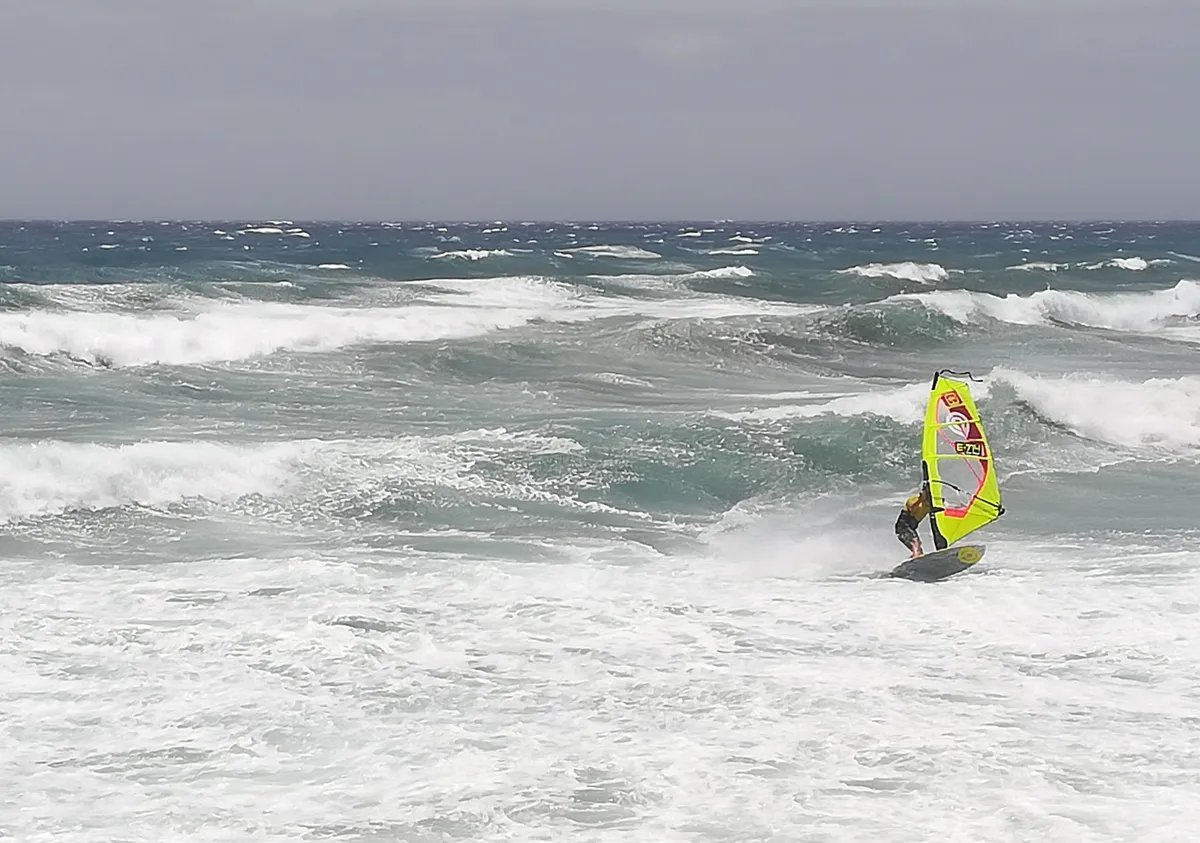
- Windy days on the same coasts favour windsurfing and kitesurfing instead.
Learners should book a school lesson rather than paddle out alone, respect the locals' priority at crowded peaks, and never surf a northern spot on a big day without local advice.
What to know before you go
Plan this experience
The essentials for booking Surfing in the Canary Islands and getting there.
Photo gallery
Surfing in the Canary Islands
Photo: Dguendel via Wikimedia Commons · CC BY 4.0 (https://creativecommons.org/licenses/by/4.0)
Frequently asked questions
Keep reading
Travel Guides
Helpful guides for planning your trip to Lanzarote
 Areas Islands
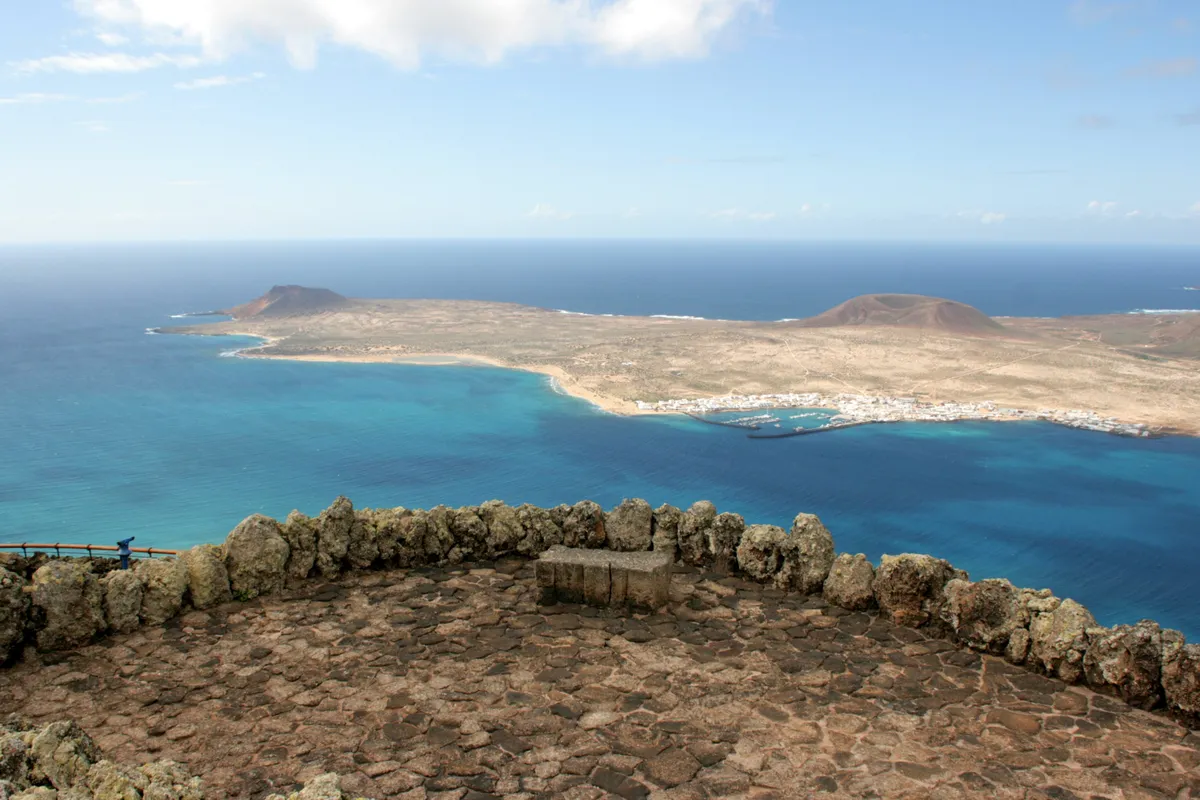
Which Canary Island Is Best? All 8 Islands Compared
Compare all eight Canary Islands on beaches, weather and wind, nightlife, families, walking, quiet and flights from the UK and Ireland, then pick by trip type.
 Beaches Nature
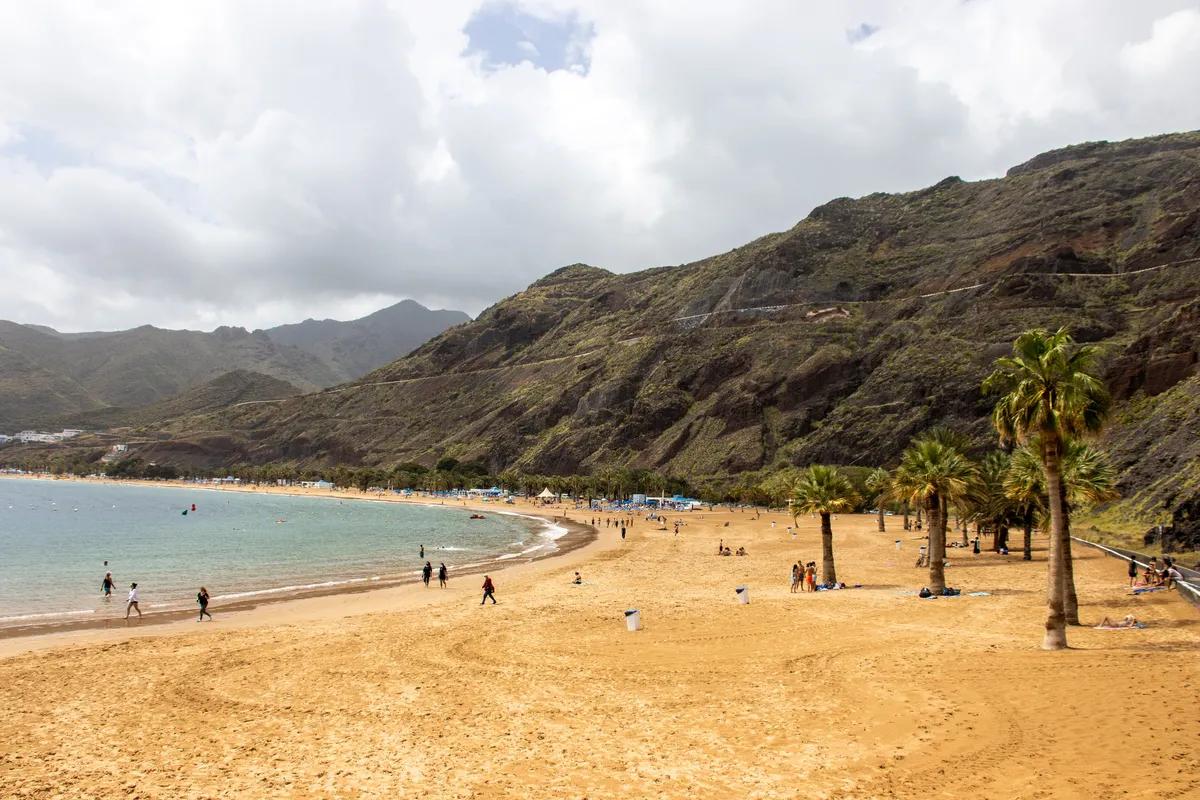
Best Beaches in the Canary Islands: 20 Picks by Island
Twenty Canary Islands beaches on six islands, from Tenerife to La Palma, with honest notes on access, wind and currents and the official 2026 Blue Flag list.
 Experiences
Things to Do in Lanzarote: A Guide by Interest
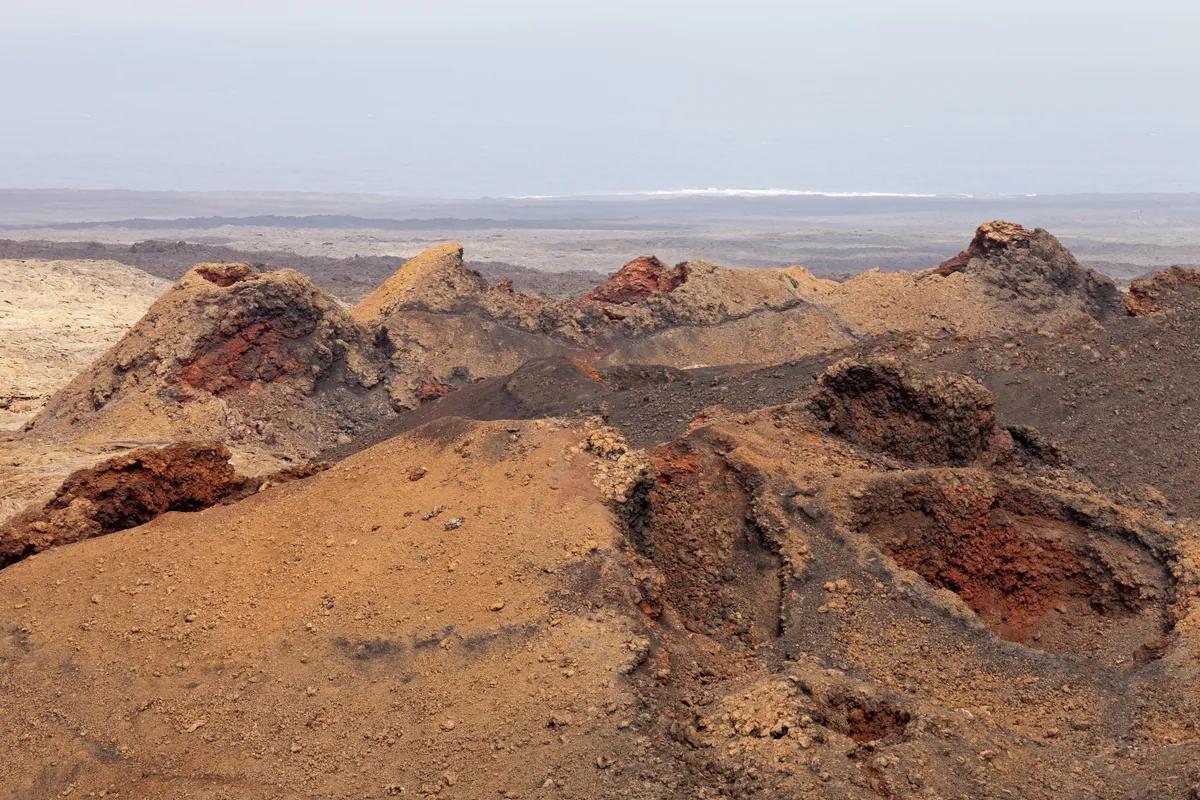
Things to do in Lanzarote centre on Timanfaya's 1730 to 1736 lava fields, César Manrique sites, Papagayo's coves and the short ferry from Órzola to La Graciosa.
More to Explore in Lanzarote
Discover beaches, attractions, activities, and more in the same area
Similar activities and experiences
Volcano and Lava Tube Visits
Windsurfing and Kitesurfing in the Canary Islands
Wine Tasting in the Canary Islands