La Gomera
La Gomera is a small, steep island of deep ravines and terraced valleys around the UNESCO-listed laurel forest of Garajonay, home of the Silbo Gomero whistled language.
La Gomera
La Gomera is a small, steep island of deep ravines and terraced valleys around the UNESCO-listed laurel forest of Garajonay, home of the Silbo Gomero whistled language.
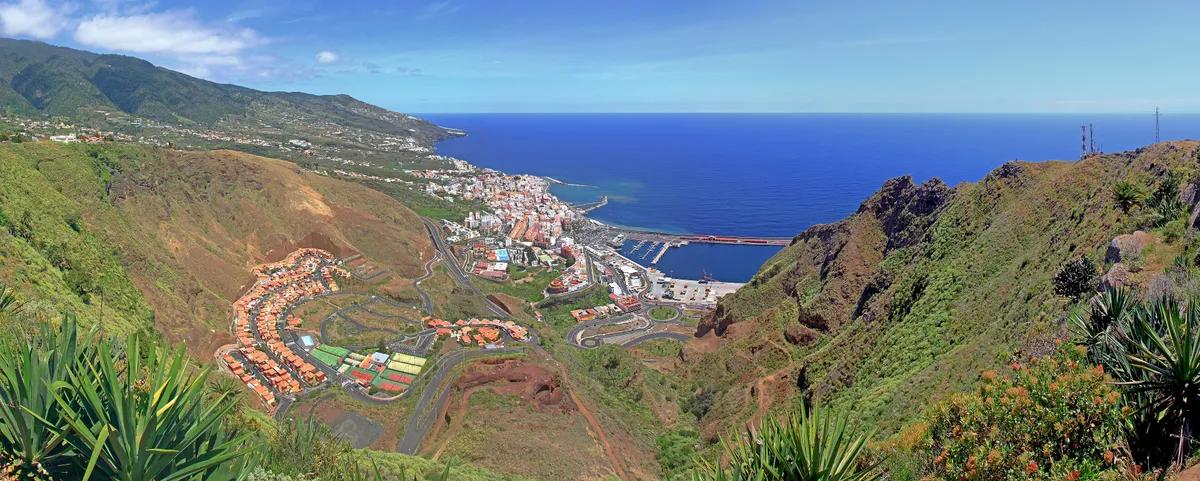
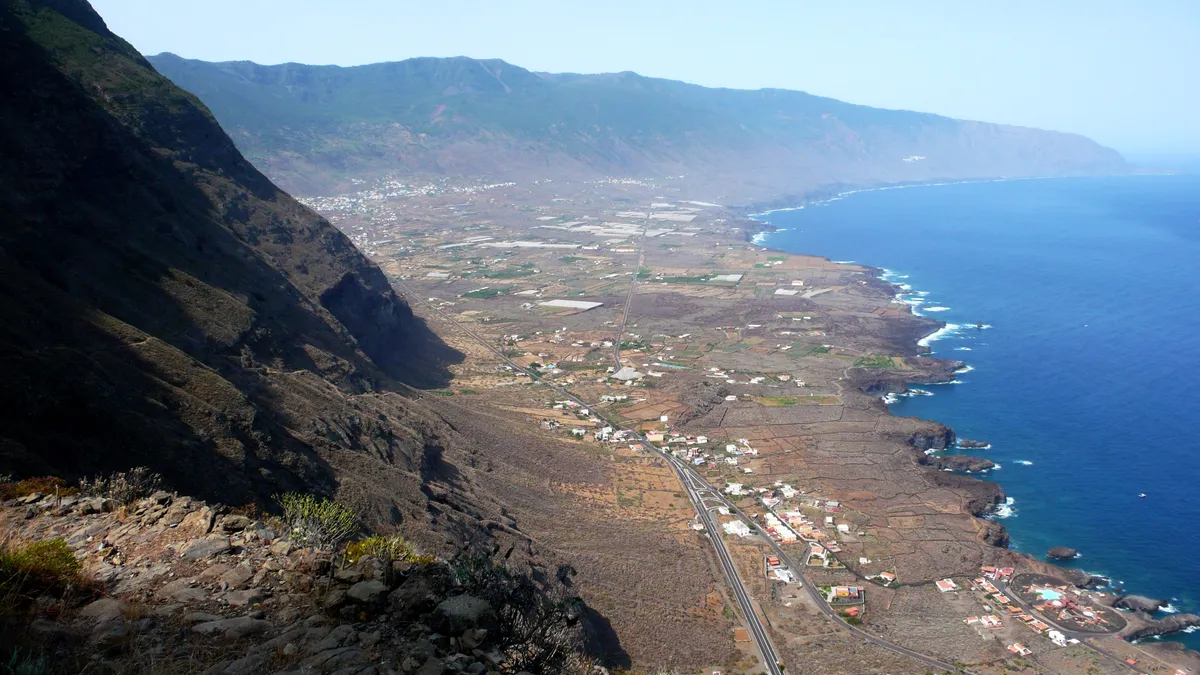
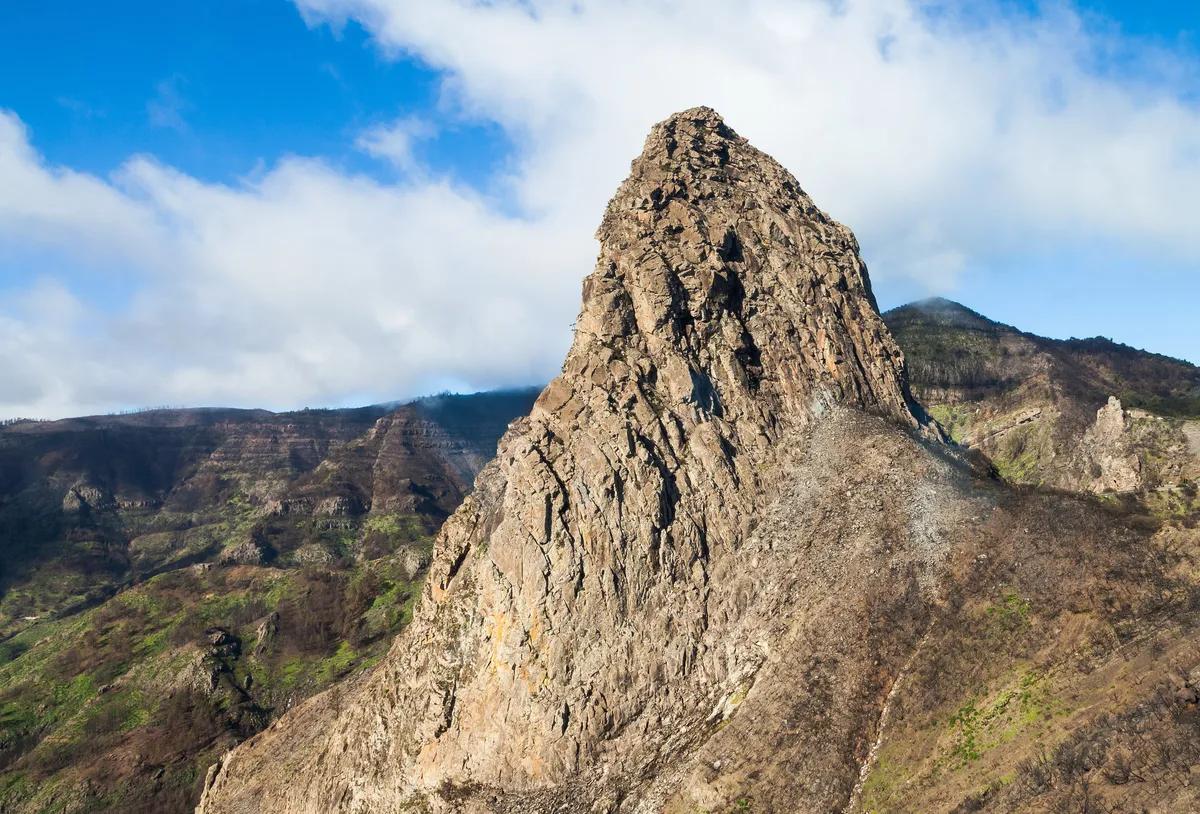
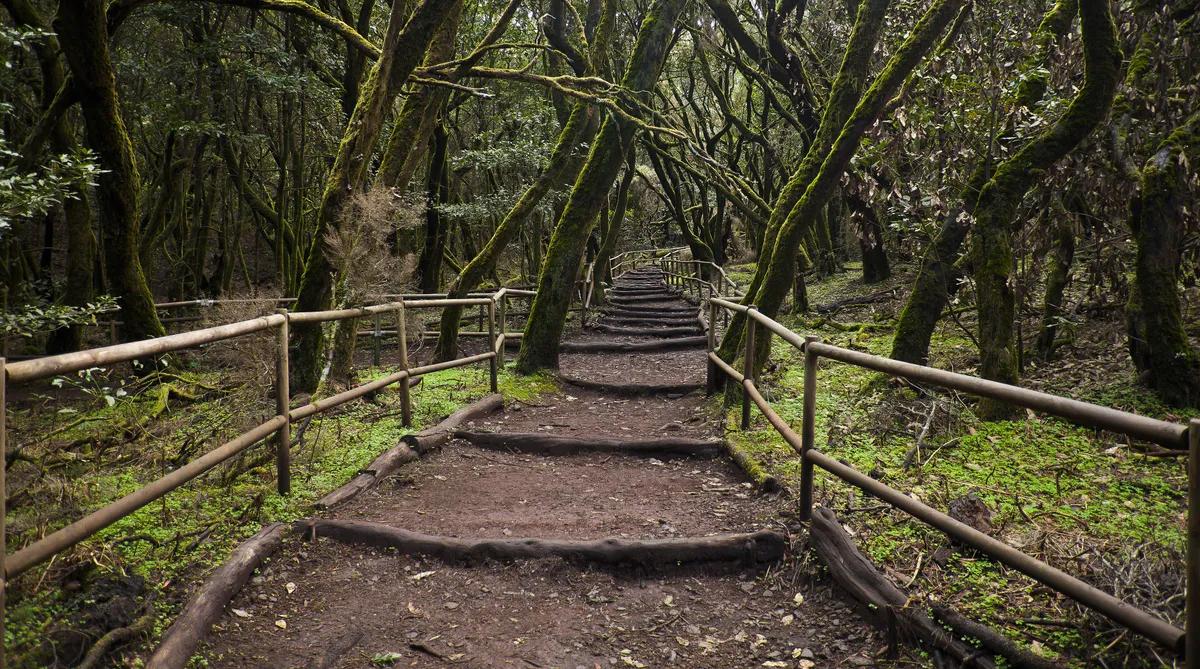
La Gomera is one of the smaller Canary Islands, a round, high island west of Tenerife cut by deep ravines that run from the central plateau to the sea. At its centre lies Garajonay National Park, which covers 3,984 hectares, about a tenth of the island, and has been a UNESCO World Heritage Site since 1986 for its laurel forest, a type of humid forest that has almost vanished elsewhere. The highest point, Alto de Garajonay, reaches 1,487 metres.
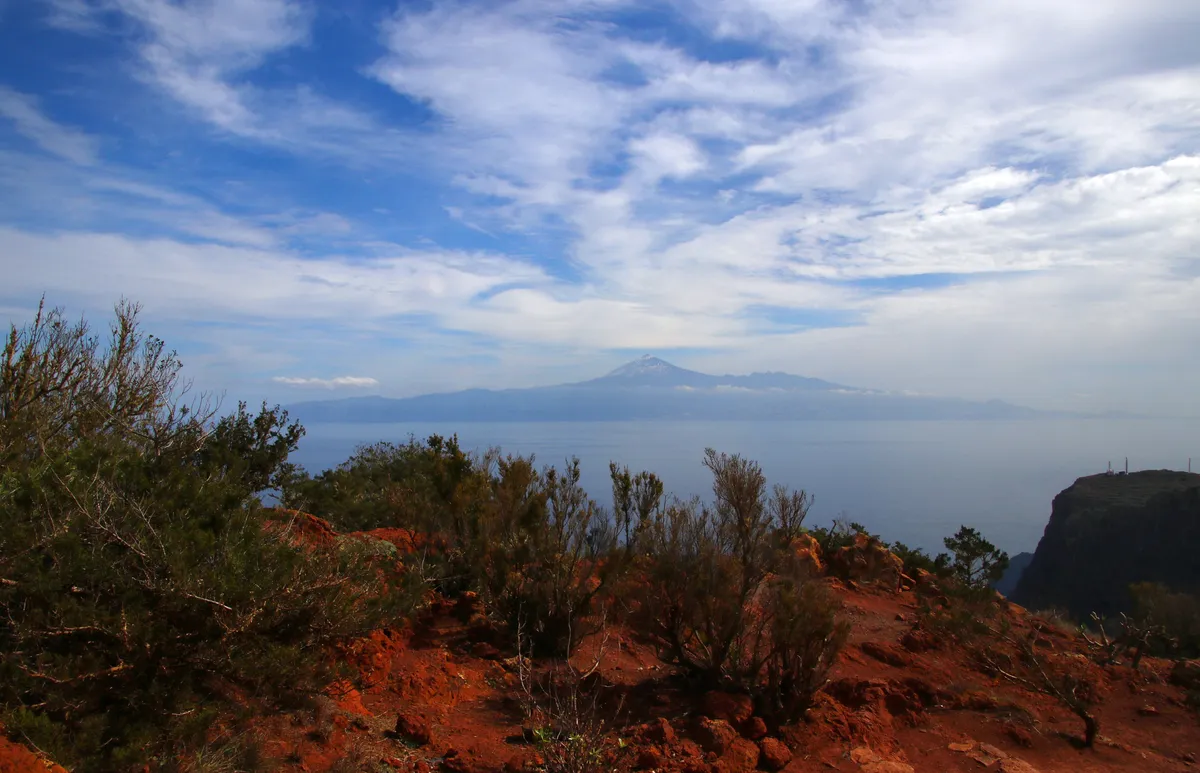
The island has no large resorts. The capital, San Sebastián de La Gomera, is the ferry port on the east coast. Valle Gran Rey, in the west, is a valley of palm groves and terraces that ends at a small beach town popular with long-stay visitors. In the north, the green valleys around Hermigua and Agulo face Tenerife and Mount Teide across the sea, and the glass-floored Mirador de Abrante hangs over the cliffs above Agulo. La Gomera is also home to the Silbo Gomero, a whistled form of Spanish used to talk across ravines, recognised by UNESCO as intangible cultural heritage in 2009 and still taught in island schools.
What to do
- Hike the misty trails of Garajonay National Park.
- Stand on the glass platform of the Mirador de Abrante.
- Drive the winding road down into Valle Gran Rey for the sunset.
- Try almogrote, the island's spicy cheese spread, and local palm honey.
- Look for pilot whales and dolphins on a whale and dolphin trip in the channel between La Gomera and Tenerife.
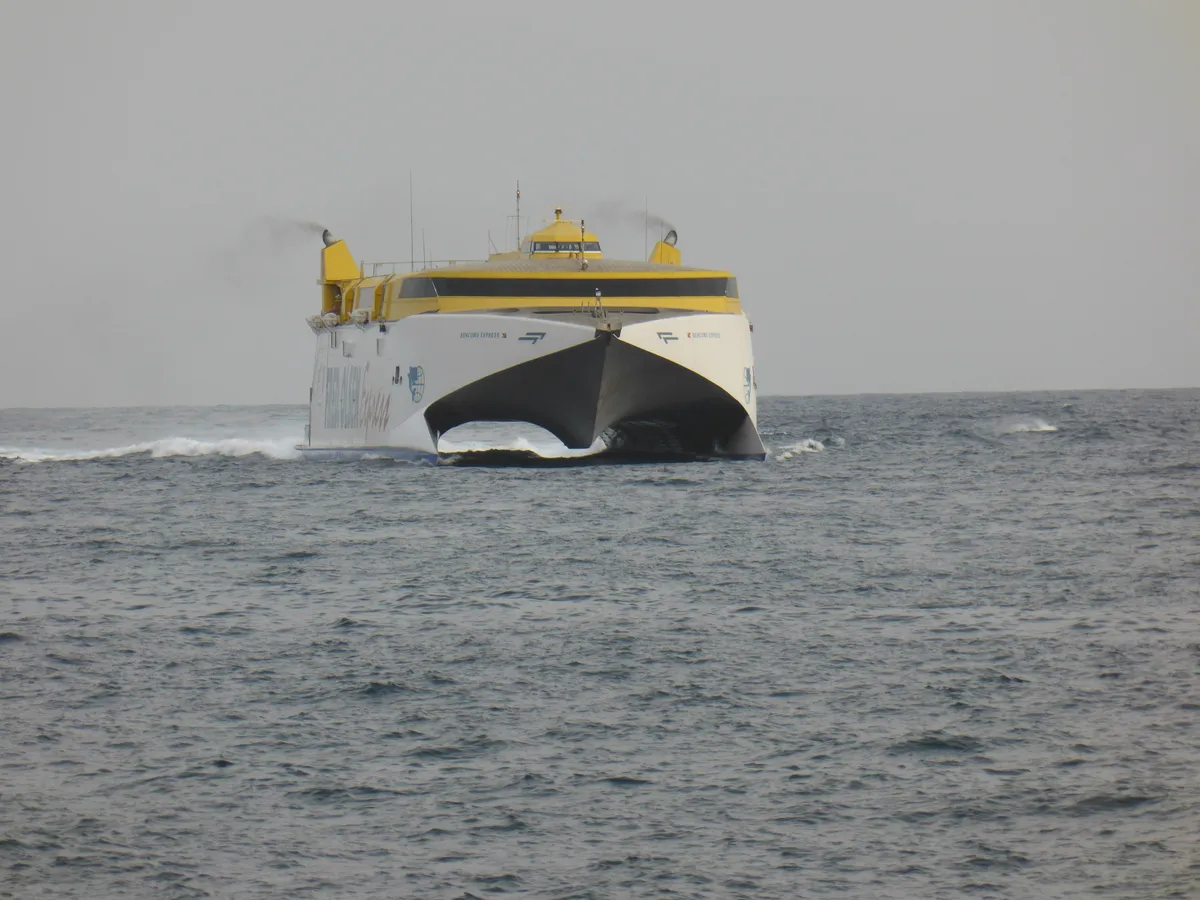
La Gomera suits walkers and travellers who want quiet, landscape and small hotels or rural houses over beaches; most beaches are pebble or black sand. It is accessible by a short ferry crossing from Tenerife: Fred. Olsen lists the Los Cristianos to San Sebastián crossing at 50 minutes as of November 2026, so many people visit on a day trip from Costa Adeje in the south of Tenerife. That is enough to drive through Garajonay, but the island repays a few nights.
La Gomera also has a small airport (GMZ) in the south with inter-island flights. Compared with La Palma and El Hierro it is close to Tenerife. Combine the three in the two-week island-hopping itinerary.
Practical information
Photo gallery
La Gomera
Photo: Diego Delso via Wikimedia Commons · CC BY-SA 3.0 (https://creativecommons.org/licenses/by-sa/3.0)
La Gomera questions
Can you visit La Gomera as a day trip from Tenerife?
+
Yes. Ferries sail from Los Cristianos to San Sebastián de La Gomera, and Fred. Olsen lists the crossing at 50 minutes as of November 2026. With a car you can drive through Garajonay National Park in a day, though a few nights let you walk the trails properly.
What is Garajonay National Park?
+
Garajonay National Park covers 3,984 hectares at the centre of La Gomera, about a tenth of the island, and has been a UNESCO World Heritage Site since 1986. It protects a laurel forest, a humid forest type that has almost disappeared elsewhere. The highest point, Alto de Garajonay, is 1,487 metres.
What is the Silbo Gomero?
+
The Silbo Gomero is a whistled form of Spanish used on La Gomera to communicate across ravines. UNESCO added it to its list of intangible cultural heritage in 2009, and it is taught in the island's schools.
Does La Gomera have an airport?
+
Yes, La Gomera has a small airport (GMZ) in the south of the island with inter-island flights. Most visitors arrive by ferry from Tenerife.
Where should I stay on La Gomera?
+
San Sebastián, the capital and ferry port, is practical. Valle Gran Rey in the west has visitor accommodation and a small beach town. The northern valleys around Hermigua and Agulo suit walkers looking for rural houses.
Keep reading
Travel Guides
Helpful guides for planning your trip to La Gomera
 Areas Islands
Which Canary Island Is Best? All 8 Islands Compared
Compare all eight Canary Islands on beaches, weather and wind, nightlife, families, walking, quiet and flights from the UK and Ireland, then pick by trip type.
 Planning
Canary Islands Island Hopping: Ferries, Flights, Day Trips
Ferry routes and crossing times between the Canary Islands from the operators' own pages, the best day-trip pairs, hire cars on board and fare discounts.
 Planning
Canary Islands Public Holidays 2027: Full Calendar
The Canary Islands have 11 archipelago-wide public holidays in 2027, plus one island holiday on each island and two local holidays in each municipality.
Keep exploring
Nearby Destinations
Explore more places near La Gomera