Gran Canaria
Gran Canaria pairs the Maspalomas dunes and southern resorts with Las Palmas, a real city on a city beach, and a mountainous interior of UNESCO-listed sacred sites.
Gran Canaria
Gran Canaria pairs the Maspalomas dunes and southern resorts with Las Palmas, a real city on a city beach, and a mountainous interior of UNESCO-listed sacred sites.
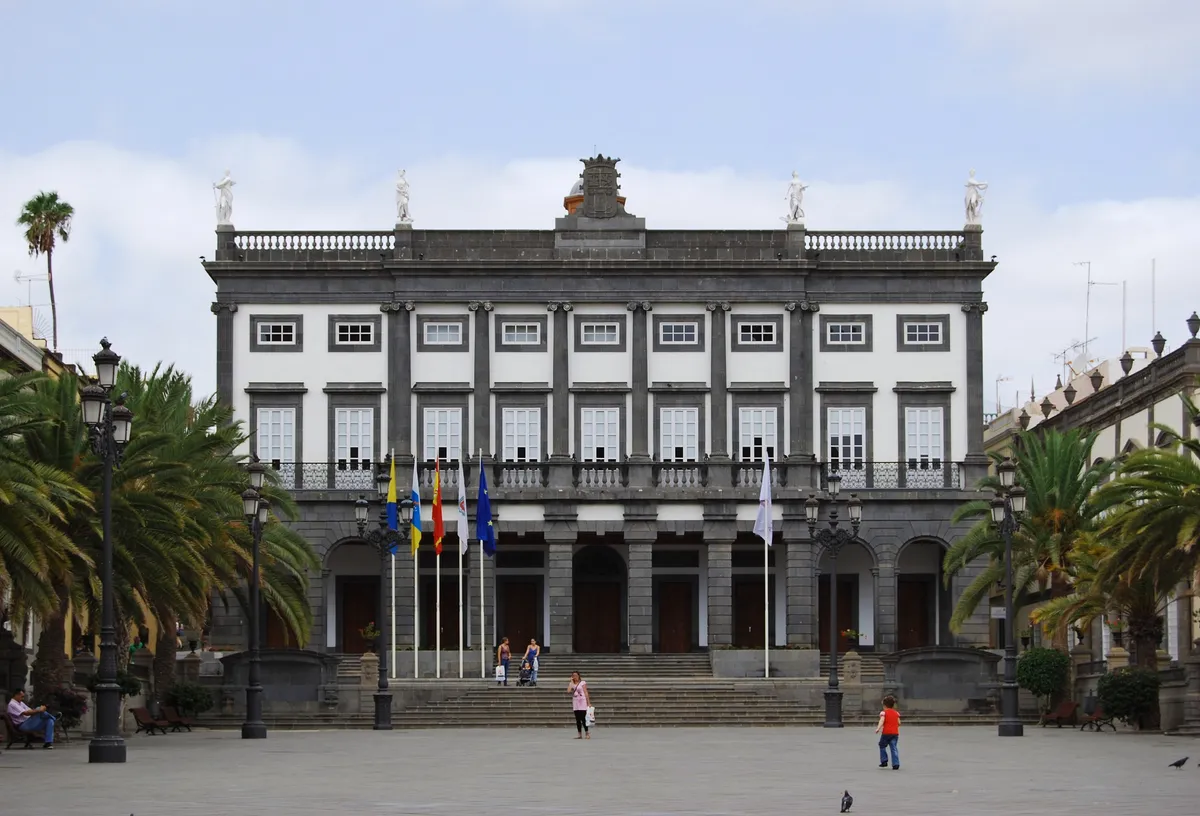
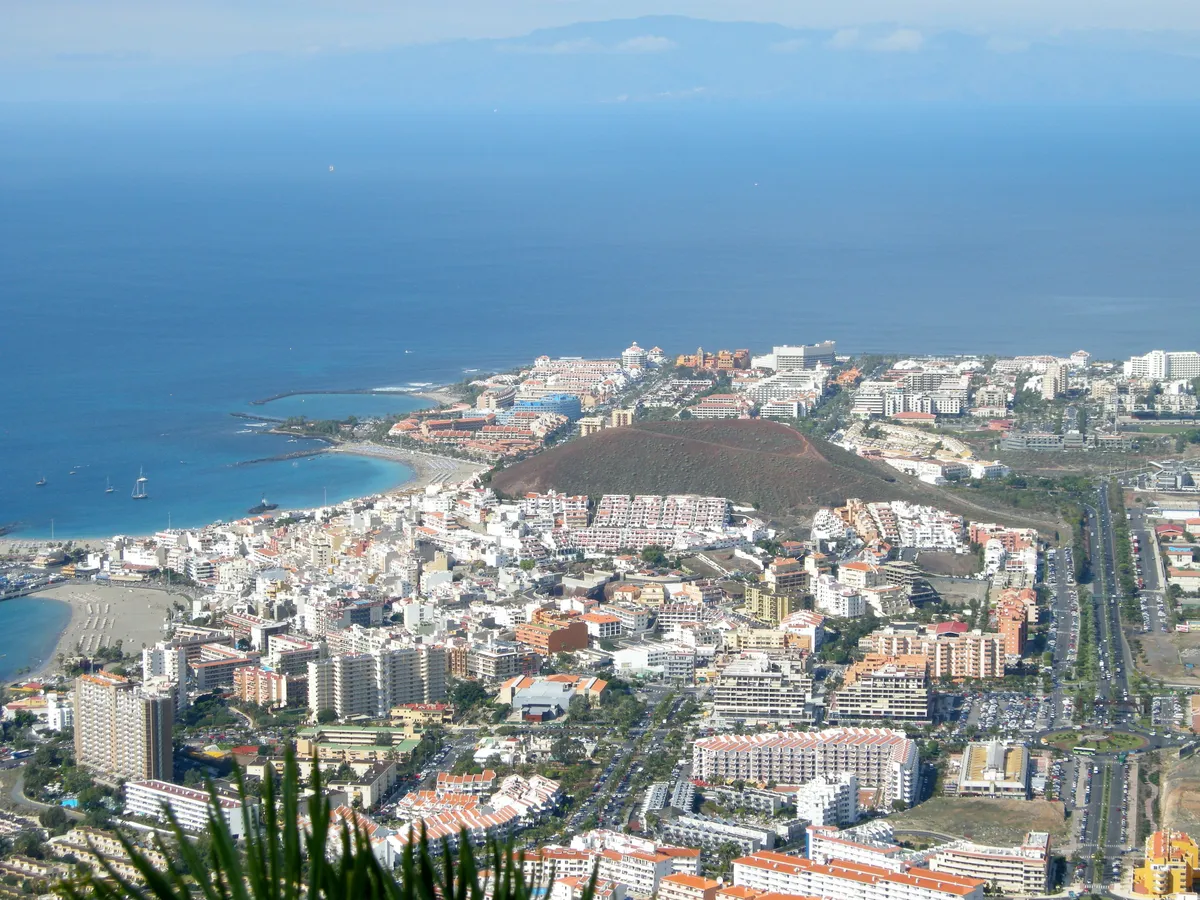
Gran Canaria is the third-largest of the Canary Islands, a near-round island with the mountains in the middle and the coast all around. Its capital, Las Palmas de Gran Canaria, is a major city in the archipelago and shares the role of regional capital with Santa Cruz de Tenerife. The south has extensive holiday accommodation, around Maspalomas, Playa del Inglés and Meloneras, where the weather is generally dry.
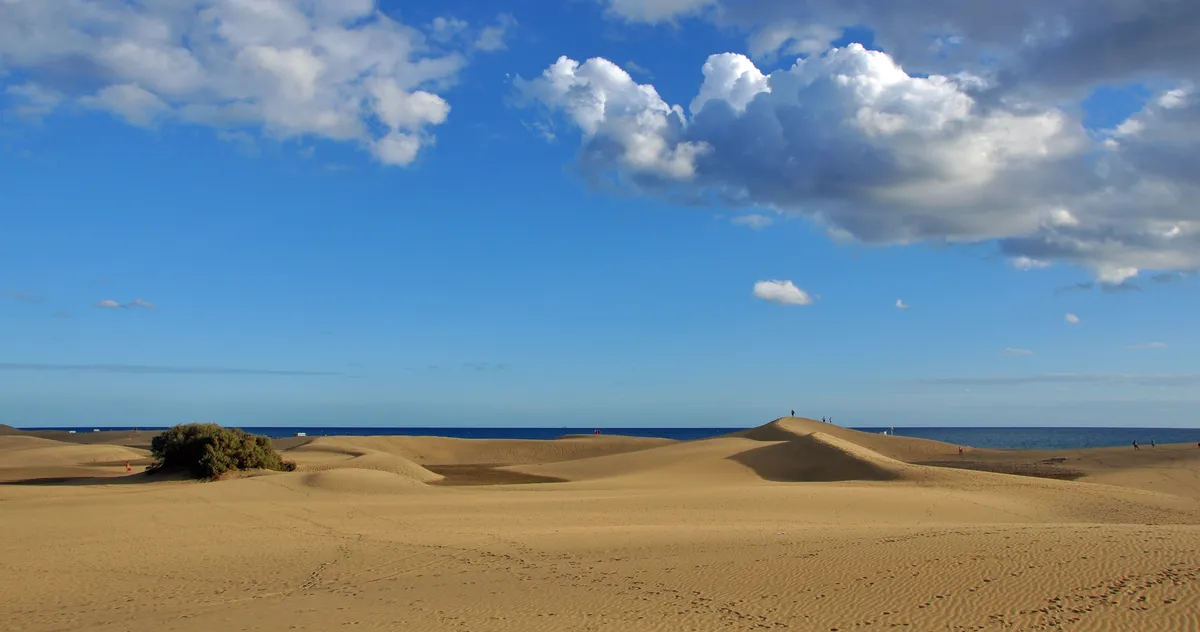
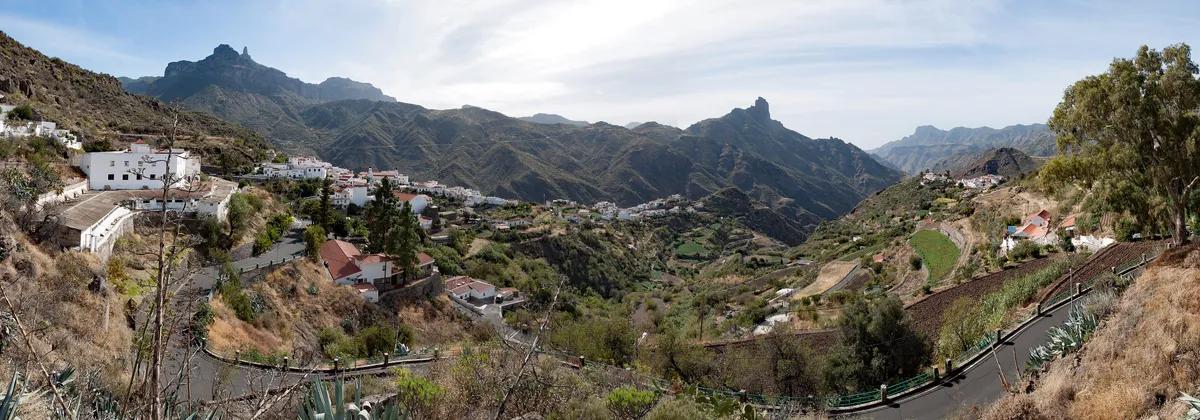
The island divides into three zones. The north and north-east hold the capital, the port and the greener farmland around towns such as Agaete, where the Bajada de la Rama festival takes place each August. The south is the resort coast, from the Maspalomas Dunes west to Puerto de Mogán and coves such as Playa de Amadores. The interior climbs to rock pinnacles like Roque Nublo and the cultural landscape of Risco Caído and the Sacred Mountains, a UNESCO World Heritage Site since July 2019. Almost half of the island has been a UNESCO Biosphere Reserve since 2005.
AEMET's 1981 to 2010 normals for the Gran Canaria airport station, on the east coast, give an average January high of 20.8C, an August high of 27.5C and 151 mm of rain a year. The north of the island is cloudier and the high interior is noticeably cooler, so bring a layer for the mountains even in summer.
What to do
- Walk the Maspalomas Dunes to Playa de Maspalomas.
- Explore Vegueta, the old quarter of Las Palmas, and swim at Playa de las Canteras.
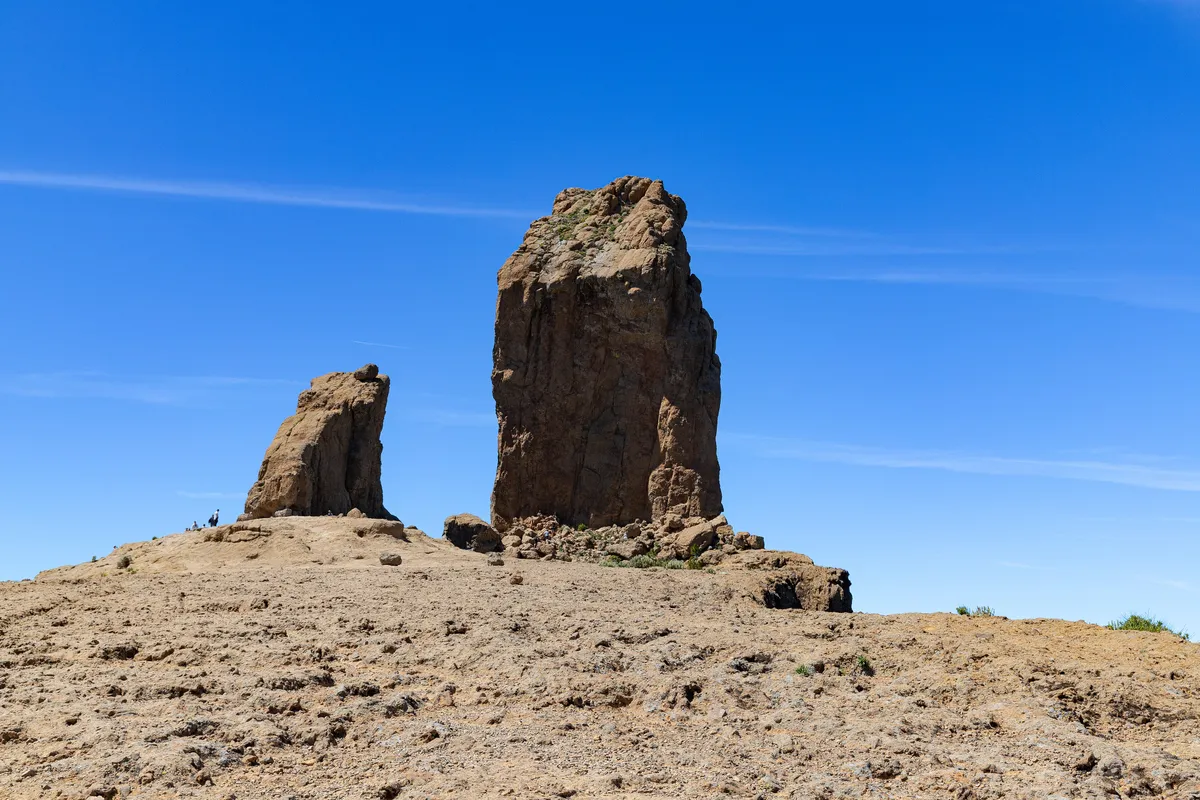
- Hike to Roque Nublo in the centre of the island.
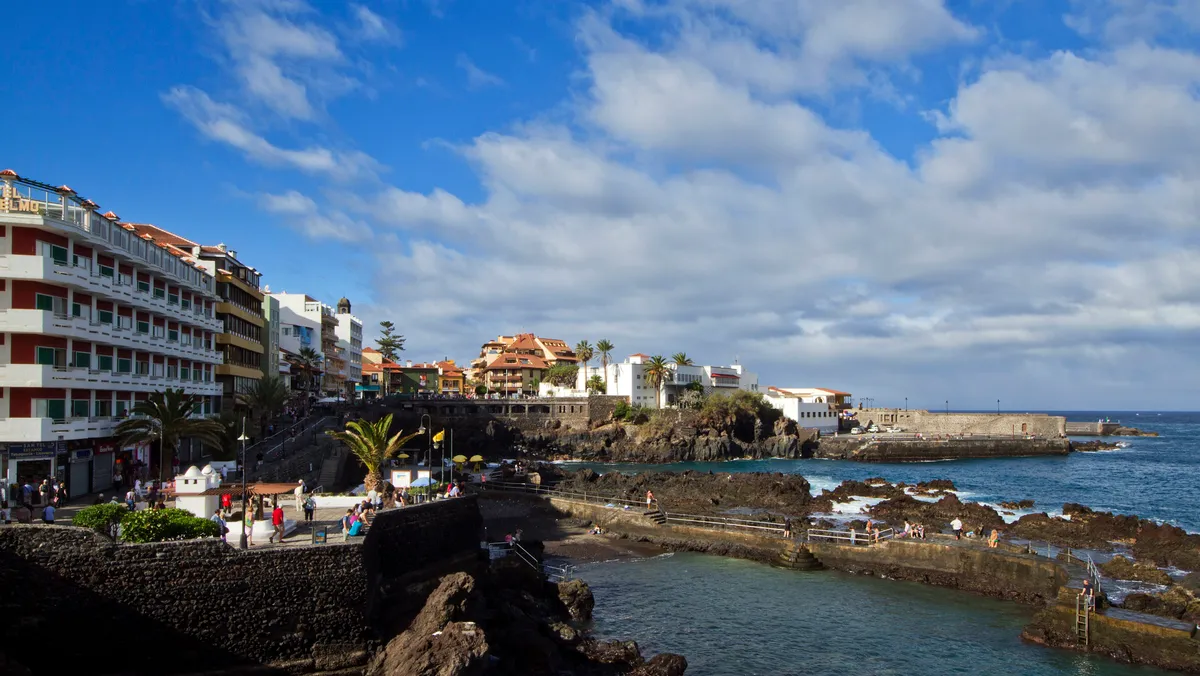
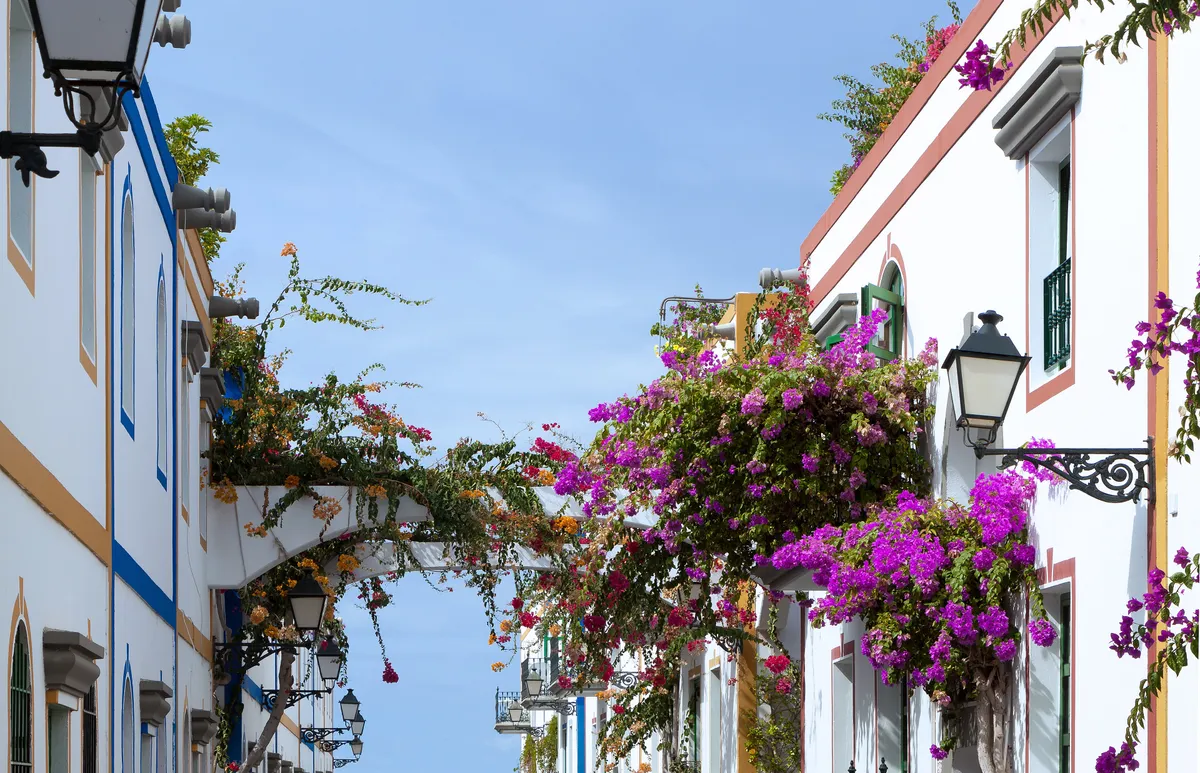
- Spend an evening in the harbour of Puerto de Mogán.
- Make the long walk to the remote west-coast beach of Güigüí.
- Join the Las Palmas de Gran Canaria Carnival or watch the Transgrancanaria trail race.
Gran Canaria suits travellers who want a beach holiday with a city close by: Las Palmas offers a substantial urban base. Compared with Tenerife the mountains are lower but the interior is just as dramatic, and the southern dunes offer a different coastal landscape. Fuerteventura and Lanzarote are flatter and windier. Flights land at Gran Canaria Airport (LPA), between the capital and the south, and Fred. Olsen lists the Agaete to Santa Cruz de Tenerife ferry at 80 minutes as of November 2026.
Plan with things to do in Gran Canaria and the Gran Canaria 7-day itinerary.
Practical information
Photo gallery
Gran Canaria
Photo: H. Zell via Wikimedia Commons · CC BY-SA 3.0 (https://creativecommons.org/licenses/by-sa/3.0)
Top attractions
Beaches here
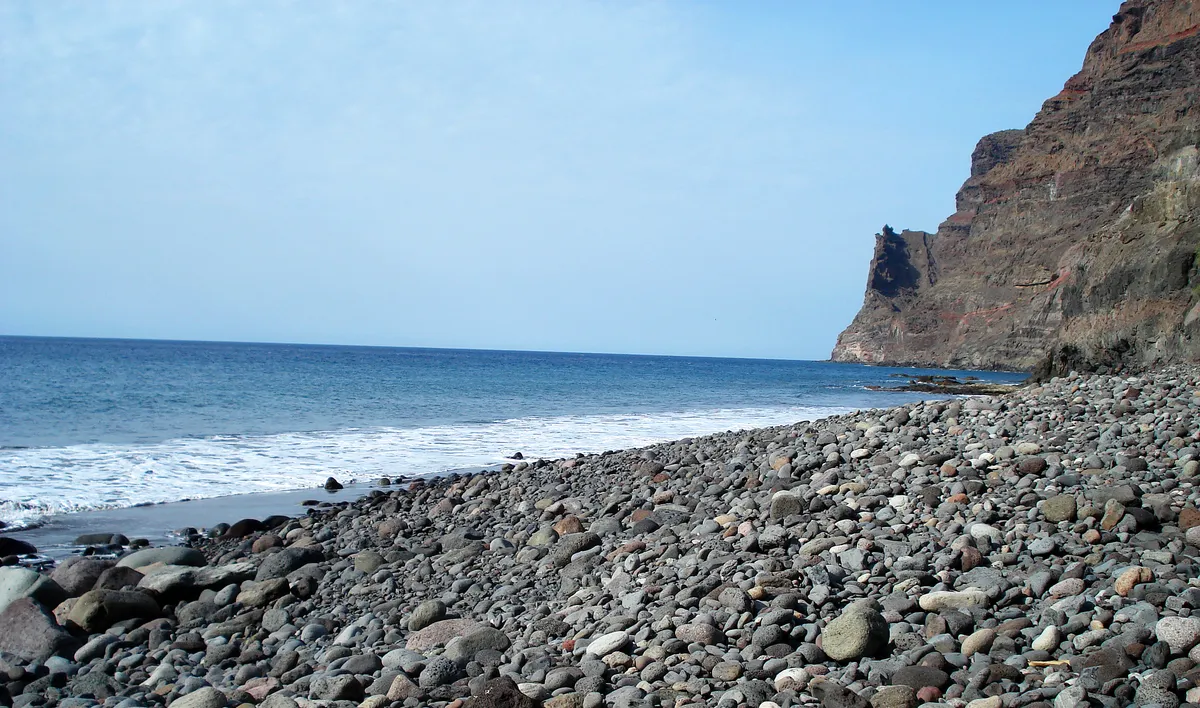
Playa de Güigüí
A remote beach on Gran Canaria's west coast inside the Güigüí special nature reserve. No road: you arrive on foot over the mountains or by sea. Plan a self-sufficient visit.
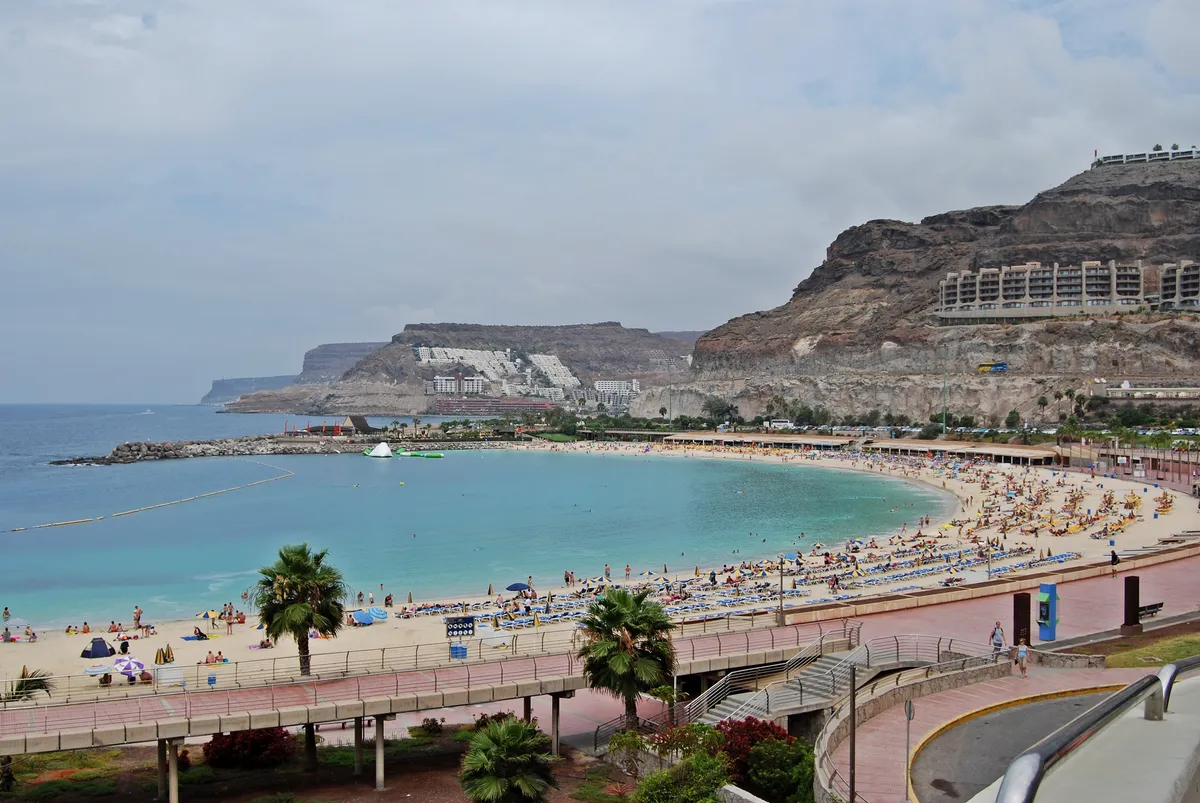
Playa de Amadores
A sheltered 488-metre bay of white sand in Mogán, south-west Gran Canaria, with calm water, a lifeguard service, sun loungers and restaurants along the back.
Events & festivals
Gran Canaria questions
Where should I stay in Gran Canaria?
+
The south has extensive holiday accommodation, around Maspalomas, Playa del Inglés, Meloneras or Puerto de Mogán, where the weather is generally dry. For city life, culture and a city beach, stay in Las Palmas de Gran Canaria in the north-east. Rural houses in the mountain interior suit walkers.
Is Gran Canaria warm in winter?
+
Yes, mild on the coast. AEMET's 1981 to 2010 normals for the Gran Canaria airport station on the east coast give an average January high of 20.8C and low of 15.0C. The north is cloudier and the mountain interior is much cooler, so bring a layer if you head inland.
What is Risco Caído?
+
Risco Caído and the Sacred Mountains of Gran Canaria is a cultural landscape of cave sites and archaeological remains in the island's interior, declared a UNESCO World Heritage Site in July 2019. It lies in the island's mountainous interior.
How do you get from Gran Canaria to Tenerife?
+
By ferry or plane. Fred. Olsen lists the Agaete to Santa Cruz de Tenerife crossing at 80 minutes as of November 2026, and other ferries sail from the port of Las Palmas. Check current inter-island flight routes when booking.
Is Gran Canaria or Tenerife better?
+
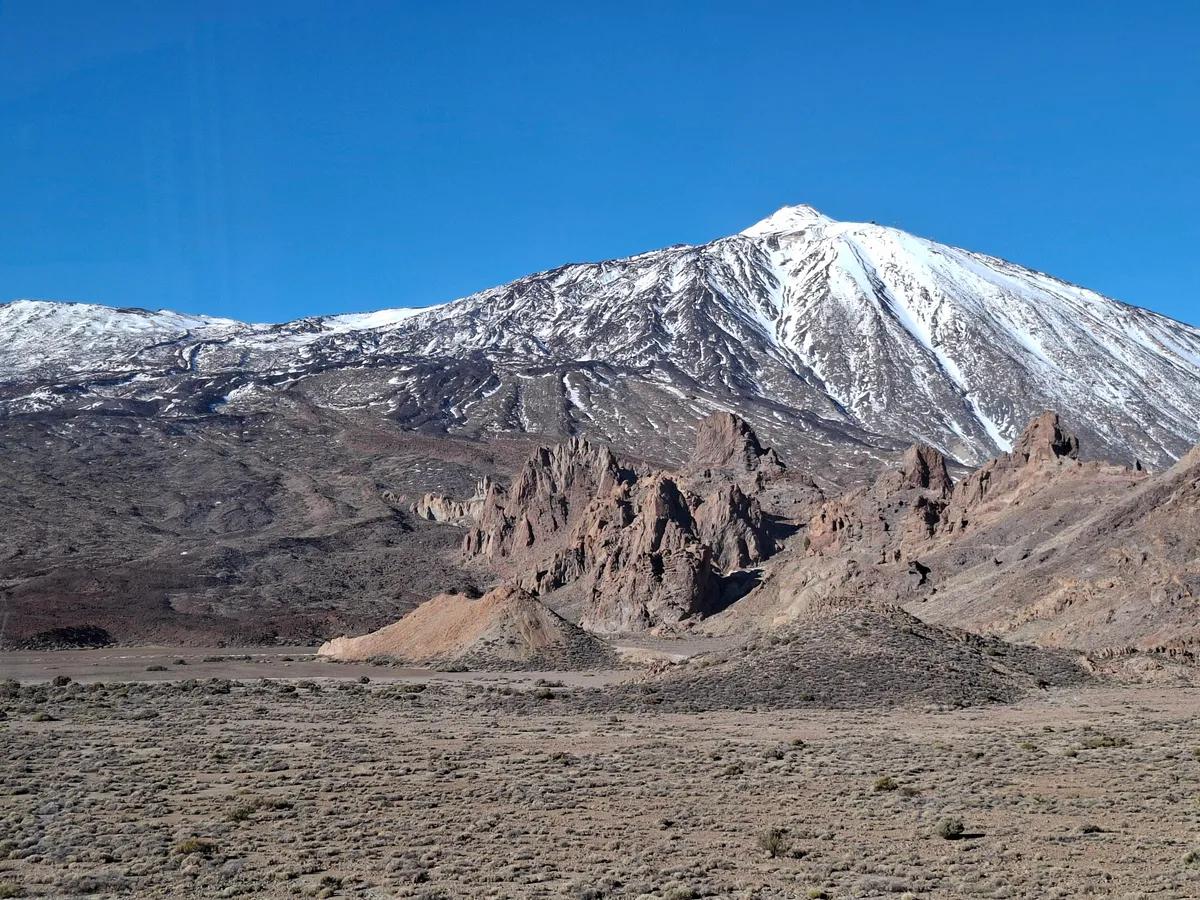
Both work for a first visit. Tenerife has the higher mountain; Gran Canaria has the Maspalomas dunes and a real city in Las Palmas. Read our guide to which Canary Island is best to compare all of them.
Keep reading
Travel Guides
Helpful guides for planning your trip to Gran Canaria
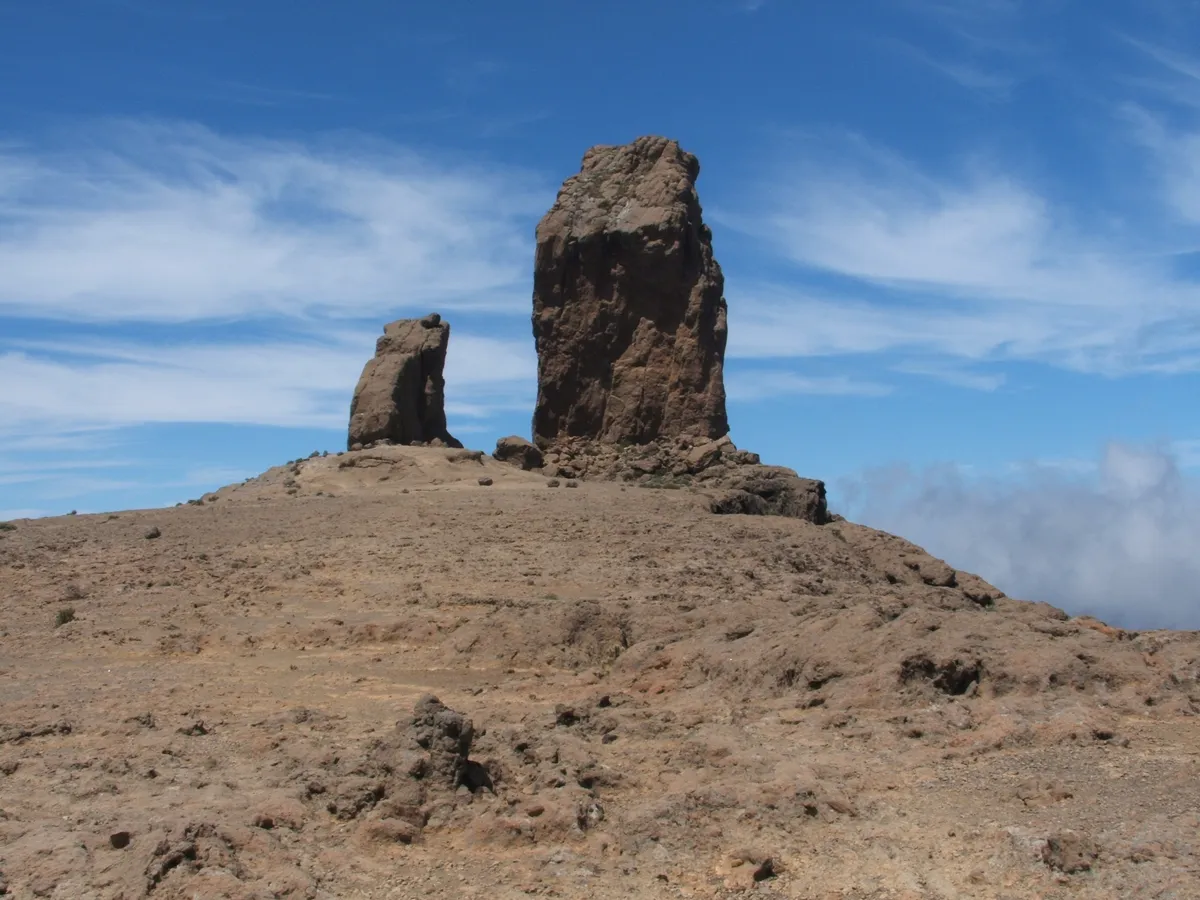 Experiences
Things to Do in Gran Canaria: A Guide by Interest
Things to do in Gran Canaria range from the Maspalomas dunes and a booked walk to Roque Nublo to Vegueta, Las Canteras, Puerto de Mogán and the Agaete ferry.
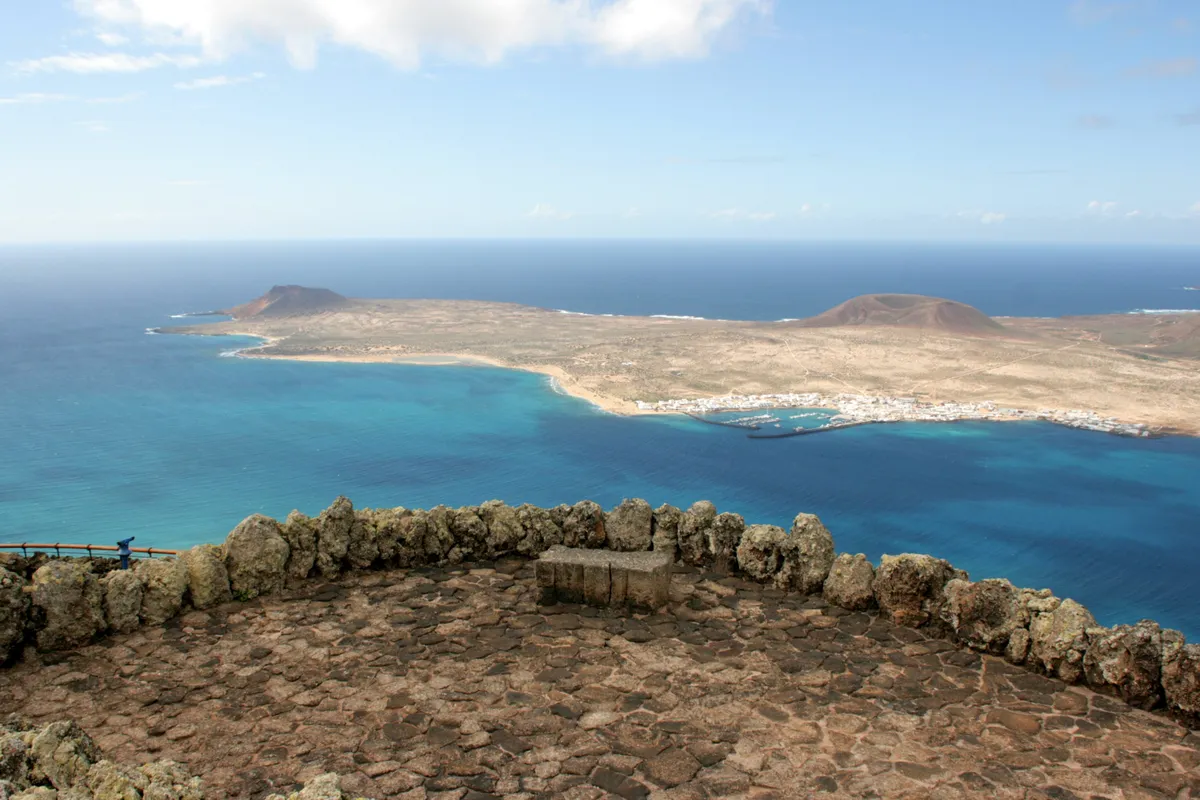 Areas Islands
Which Canary Island Is Best? All 8 Islands Compared
Compare all eight Canary Islands on beaches, weather and wind, nightlife, families, walking, quiet and flights from the UK and Ireland, then pick by trip type.
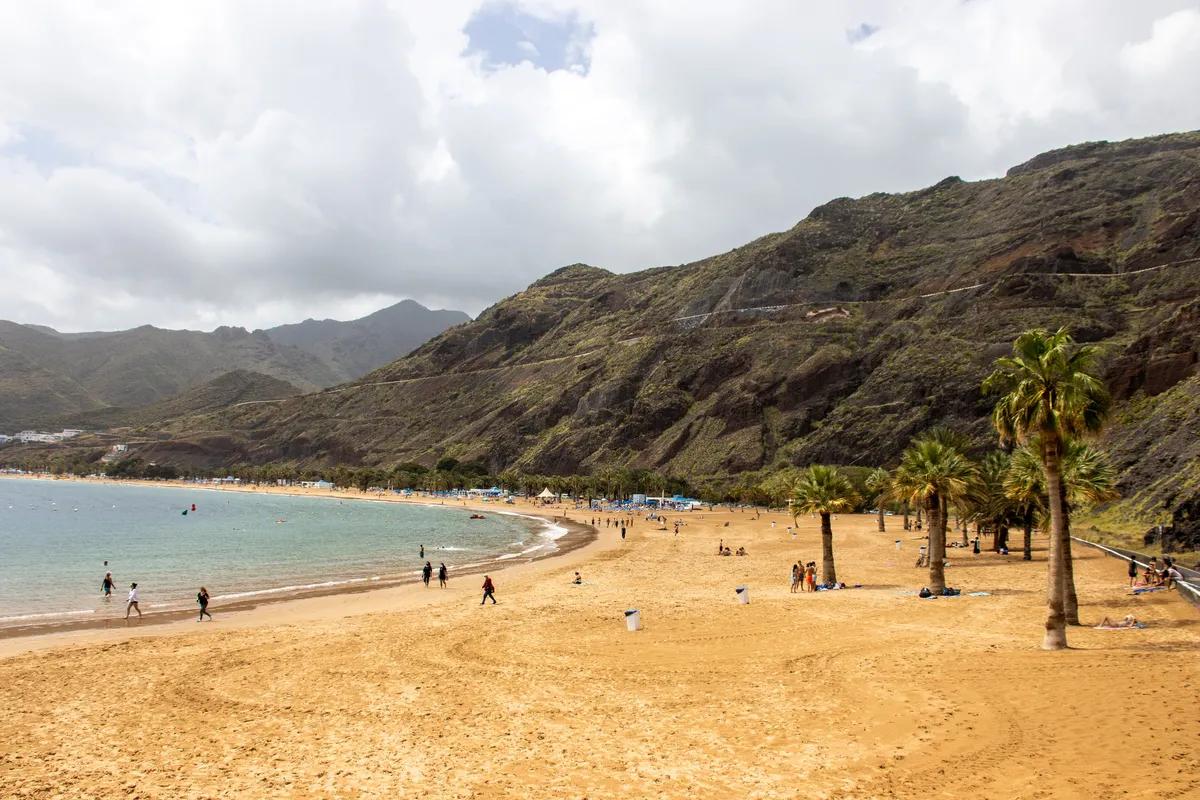 Beaches Nature
Best Beaches in the Canary Islands: 20 Picks by Island
Twenty Canary Islands beaches on six islands, from Tenerife to La Palma, with honest notes on access, wind and currents and the official 2026 Blue Flag list.
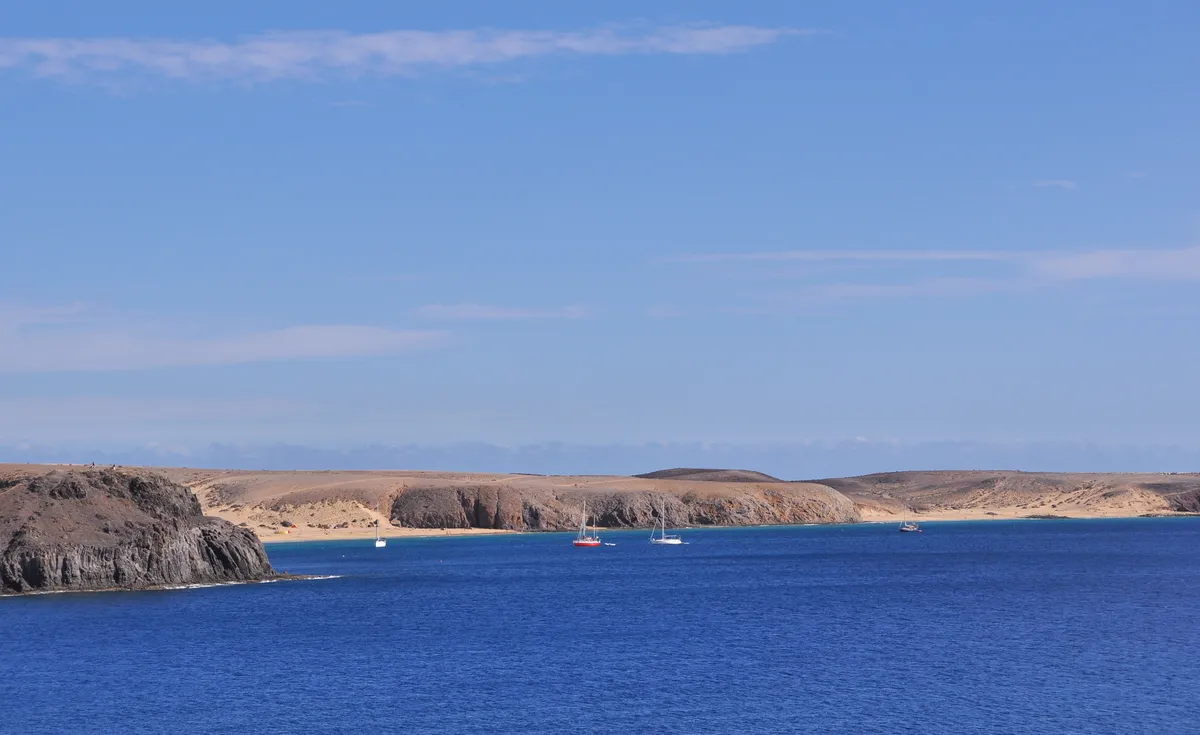 Planning
Best Time to Visit the Canary Islands: Month by Month
The Canary Islands work all year. October to April is the winter-sun season; May, June, September and October suit a mixed trip. Compare stations by coast.
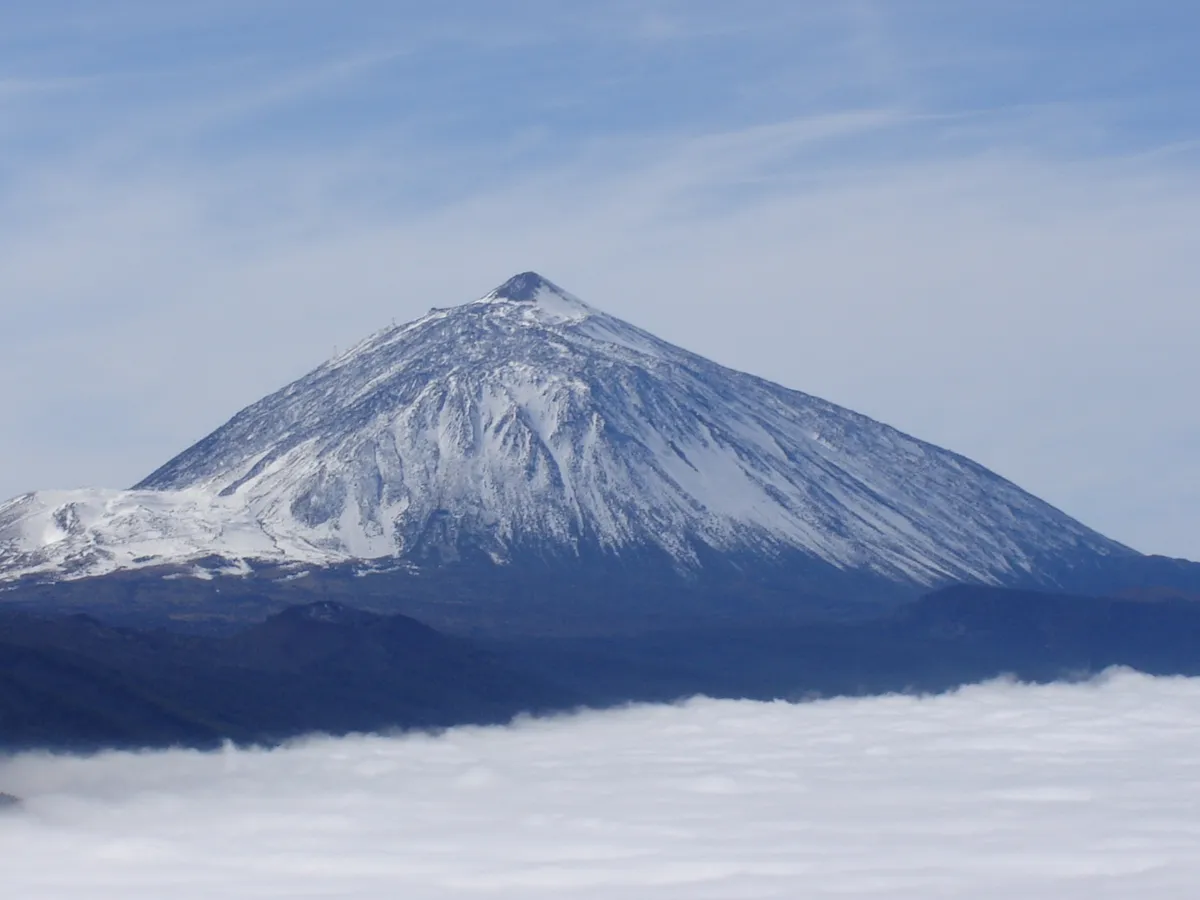 Planning
Canary Islands in Winter: December to February Guide
From December to February the Canary Islands coastal airports average highs of about 21 to 23C and lows of about 14 to 17C, and the sea sits near 19 to 21C.
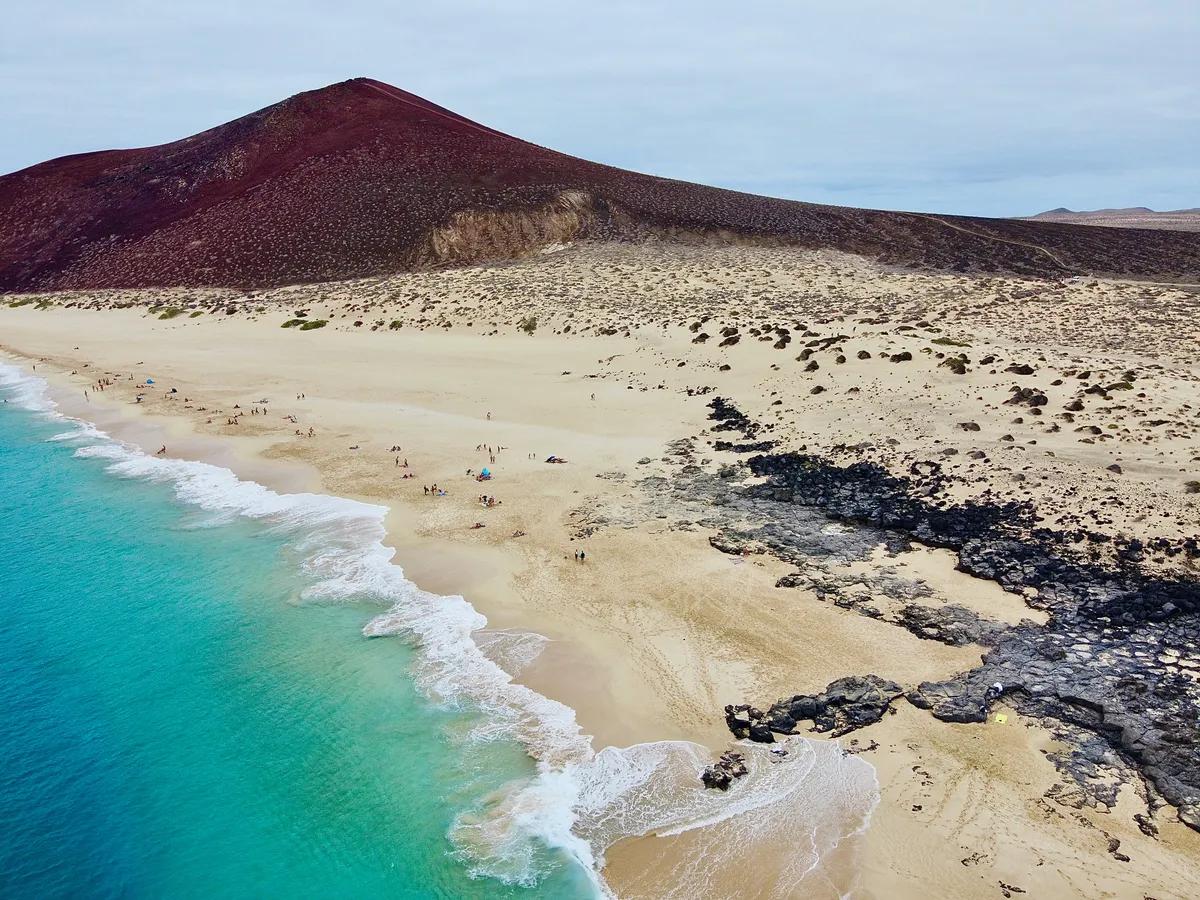 Planning
Canary Islands Public Holidays 2027: Full Calendar
The Canary Islands have 11 archipelago-wide public holidays in 2027, plus one island holiday on each island and two local holidays in each municipality.
Keep exploring
Nearby Destinations
Explore more places near Gran Canaria