Scuba Diving in the Canary Islands
Volcanic reefs, marine reserves and underwater sculptures across eight islands
Scuba Diving in the Canary Islands
Dive El Hierro's calm Mar de las Calmas reserve, Lanzarote's underwater sculptures and Tenerife's 60-plus dive sites. Which island suits which diver, and the permits.
The Canary Islands are volcanic, so the seabed drops away quickly and divers find rock walls, caves, arches and lava formations close to shore. Dive centres work on the main islands through the year. What changes from island to island is the setting: marine reserves in the west, shallow sandy sites and wrecks in the east, and a long list of shore and boat dives on the larger islands.
El Hierro: the Mar de las Calmas marine reserve
The Punta de La Restinga - Mar de las Calmas marine reserve lies off the south-western tip of El Hierro. Created in 1996 as a fisheries reserve, it is sheltered from the trade winds, so the sea stays calm for long spells, and it reaches depths of more than 300 metres. The Spanish fisheries ministry describes rocky seabeds with drop-offs, caves, tunnels and seamounts, dense algae down to about 70 metres, and visits from open-ocean species such as whale sharks and manta rays. Diving is allowed only at designated points outside the integral reserve, with a support boat and the relevant authorisation for state or regional waters. Diving inside the reserve needs authorisation: dive centres hold annual permits, private divers can apply for a month at a time, dives are granted for a specific date in order of application up to a daily quota, and divers need a recognised diving certificate, insurance and a valid medical check. The simplest route is to dive with a centre in La Restinga.
Lanzarote and La Graciosa
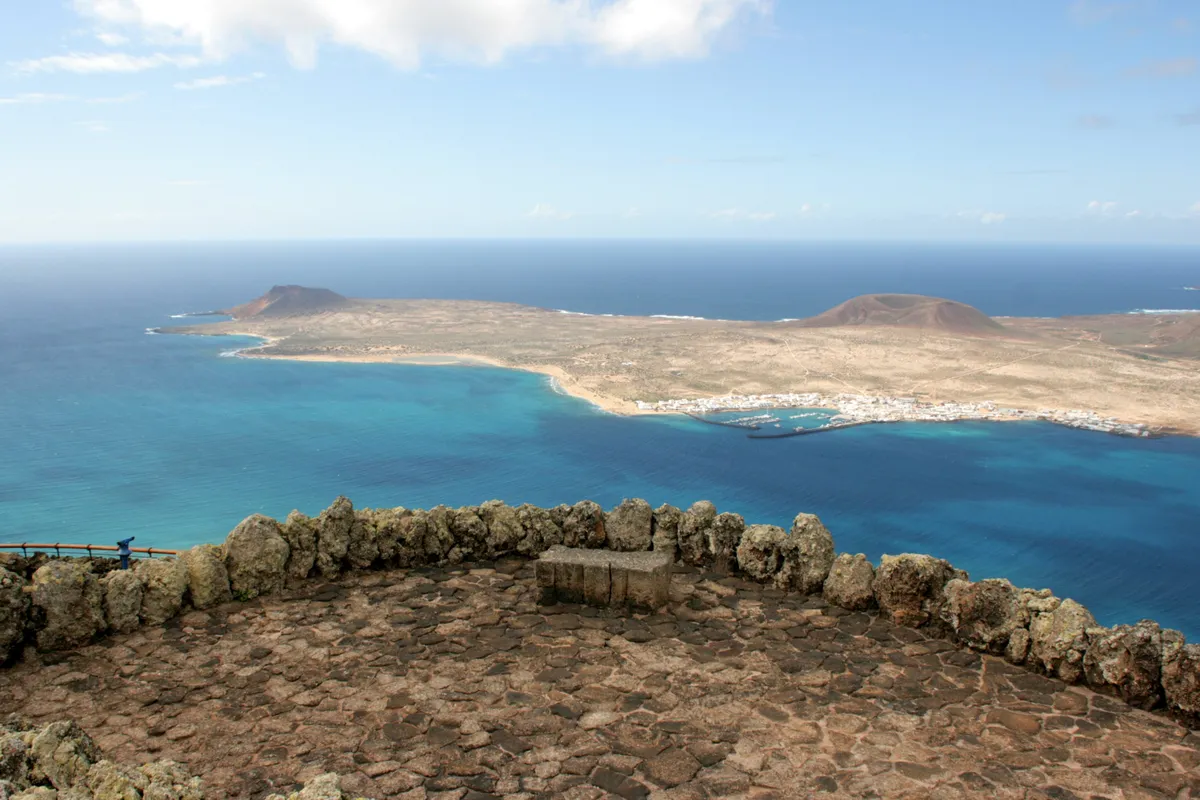
Off Las Coloradas, near Playa Blanca, the underwater sculptures of Jason deCaires Taylor, known as the Museo Atlántico, stand in a protected area at 12 to 14 metres. Lanzarote's tourism board says they can be seen by diving or from the surface by snorkelling. The board also names Puerto del Carmen as a breeding area for the endangered angel shark and one of the island's best dive areas, along with Playa Blanca, Costa Teguise and La Graciosa. The waters around La Graciosa and the islets north of Lanzarote form a separate marine reserve of more than 70,000 hectares.
Tenerife, Gran Canaria and La Palma
Tenerife's tourism board lists more than sixty dive sites around the coast, from easy shore dives to boat dives near Los Gigantes. On Gran Canaria, dive areas are spread around the whole coast, and centres offering organised dives. La Palma has its own marine reserve off its south-west coast, reaching 1,000 metres deep.
- Leave the recommended interval before flying or driving up to altitude after diving: ask your centre, and plan Teide or stargazing trips on the summits before your dives rather than after.
- Whales and dolphins may appear on a dive: Spanish rules forbid entering the exclusion zone to swim or dive with them. If cetaceans approach divers who were outside that zone, do not interact and move away safely if the animals react to your presence. See whale and dolphin watching.
Bring your certification card and logbook, dive within your training, and expect cooler water than the air temperature suggests, especially in winter.
What to know before you go
Plan this experience
The essentials for booking Scuba Diving in the Canary Islands and getting there.
Frequently asked questions
Keep reading
Travel Guides
Helpful guides for planning your trip to El Hierro
 Areas Islands
Which Canary Island Is Best? All 8 Islands Compared
Compare all eight Canary Islands on beaches, weather and wind, nightlife, families, walking, quiet and flights from the UK and Ireland, then pick by trip type.
 Planning
Canary Islands Public Holidays 2027: Full Calendar
The Canary Islands have 11 archipelago-wide public holidays in 2027, plus one island holiday on each island and two local holidays in each municipality.