Which Canary Island Is Best? All 8 Islands Compared
Compare all eight Canary Islands on beaches, weather and wind, nightlife, families, walking, quiet and flights from the UK and Ireland, then pick by trip type.
By Canary Islands 365 Editorial Reviewed by Alex Borshch, Founder & Editor
Published November 16, 2026 · 10 min read
"The Canaries" is a weak answer to the question of where to go, because the eight islands of this Spanish archipelago are very different holidays. One is a volcano wrapped in resorts, another is a flat, windswept desert of beaches, a third is mostly cliffs and laurel forest with almost no sand. This guide compares all eight fairly, island by island, then answers the "best for" questions people actually ask. No single island wins on everything, and the right pick depends on what you will do all day.
A few things are the same everywhere. The Canary Islands are an autonomous community of Spain, they use the euro, they sit in the EU and Schengen area, they run one hour behind mainland Spain, and the emergency number is 112. Read entry requirements and local tips before you book.
The eight islands at a glance
| Island | Best for | Beaches | Weather and wind | Nightlife | Getting there from the UK and Ireland |
|---|---|---|---|---|---|
| Tenerife | Variety, first visits, Teide | Good, mostly in the south; many are dark sand | Sunny dry south, greener cloudier north | Plenty, centred on Playa de las Américas | Many direct routes, two airports |
| Gran Canaria | City plus beach, mountain drives | Long golden beaches and dunes in the south, a city beach in Las Palmas | Sunny south, cooler cloudier north | Plenty, in the south and in Las Palmas | Many direct routes |
| Lanzarote | Volcanic scenery, art, couples | Sheltered coves in the south, surf beach in the north | Dry and often breezy | Moderate, mostly in Puerto del Carmen | Many direct routes |
| Fuerteventura | Long beaches, wind and water sports | Long stretches of pale sand | Dry and often windy | Low key, livelier in Corralejo | Many direct routes |
| La Palma | Hiking, stargazing | Dark-sand beaches | Greener, more cloud and rain on the east side | Very little | Check current UK routes; connections via other islands |
| La Gomera | Walking, quiet | Dark-sand beaches and rocky coves | Mild, misty in the high forest | Very little | Fly to Tenerife, then ferry |
| El Hierro | Diving, real remoteness | Almost none; natural rock pools instead | Mild, cloudier on the heights | Almost none | Connect via Tenerife or Gran Canaria |
| La Graciosa (see Lanzarote) | Walking and cycling | Pale sand beaches reached on foot or by bike | Dry and breezy | None to speak of | Fly to Lanzarote, then a short ferry |
Tenerife: the most varied island
Tenerife is the largest island and the one that does the most things reasonably well. The south, around Costa Adeje, Playa de las Américas and Los Cristianos, is dry, sunny and built for holidays: hotels, beaches such as Playa del Duque, water parks and most of the nightlife. The north, around Puerto de la Cruz and the Orotava Valley, is greener, cloudier and more Spanish in feel. Above everything sits Teide National Park, a UNESCO World Heritage Site since 2007, with Spain's highest peak and a cable car.
The trade-off: the southern resorts are large and busy, and the best walking and old towns are a drive away. Tenerife has two airports, Tenerife South for the resorts and Tenerife North for the north. Our things to do in Tenerife and where to stay in Tenerife guides go deeper.
Gran Canaria: a real city and a long sunny south
Gran Canaria is the island to pick if you want a proper city as well as resorts. Las Palmas de Gran Canaria has the long urban beach of Las Canteras and the old quarter of Vegueta. In the south, Maspalomas, Playa del Inglés and Meloneras sit beside the Maspalomas dunes, and Puerto de Mogán is a quieter harbour village. The mountainous centre, with Roque Nublo, is the island's surprise: steep, pine-covered and excellent for walking and scenic driving.
The trade-off: the southern resort strip is dense, and the north of the island is often cloudy in winter. See things to do in Gran Canaria.
Lanzarote: volcanoes, design and calm
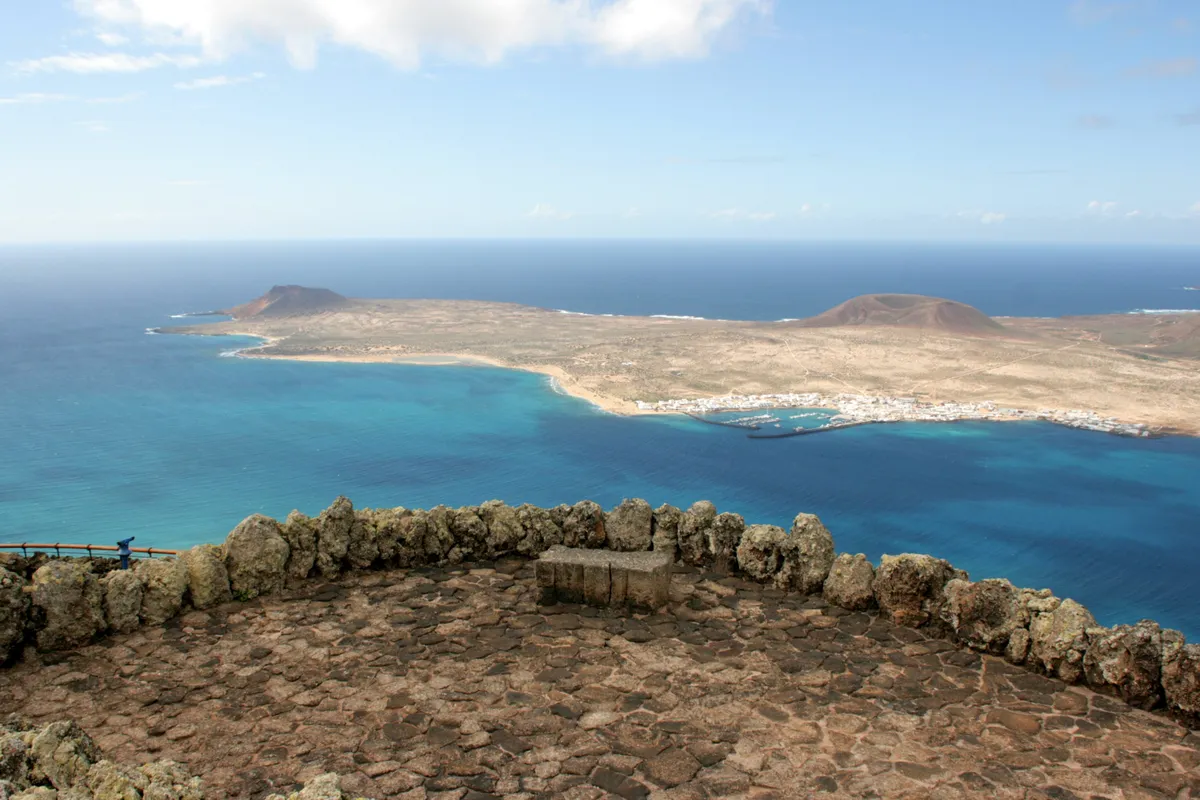
Lanzarote looks like nowhere else in Europe. Lava fields cover much of the south, and Timanfaya National Park protects the most dramatic of them. The artist César Manrique helped shape the island's approach to art and nature. Visitor sites include Jameos del Agua, Mirador del Río and the Jardín de Cactus. Vines grow in black volcanic hollows in La Geria.
Beaches split by coast: sheltered coves at Papagayo near Playa Blanca, a town beach at Puerto del Carmen, and wild surf at Famara. The trade-off: there is little shade and little green, and it is often breezy. More in things to do in Lanzarote.
Fuerteventura: beaches and wind
Fuerteventura is the beach island. Its coastline holds long stretches of pale sand: the Grandes Playas de Corralejo beside the Corralejo dunes, the lagoon of Sotavento in the south and the remote sweep of Cofete. The wind that shapes it makes it a centre for windsurfing and kitesurfing and surfing.
The trade-off: that same wind can sandblast a sunbathing day, the landscape inland is bare, and distances between sights are long. Corralejo is the liveliest base. See things to do in Fuerteventura.
La Palma: the walker's and stargazer's island
La Palma is steep, green and much quieter than the big four. The Caldera de Taburiente National Park and the ridge up to Roque de los Muchachos, home to an international observatory, give some of the best hiking and stargazing in the islands. Beaches include dark-sand bays, with Playa de Tazacorte a black-sand option on the west coast.
The trade-off: a car helps on the twisting roads. As of November 2026, Aena lists London Gatwick among the airport's destinations; check your own departure airport and dates. La Palma airport also has inter-island flights.
La Gomera: deep valleys and forest
La Gomera is small, round and cut by deep ravines. At its centre, Garajonay National Park protects laurel forest and has been a UNESCO World Heritage Site since 1986. Walkers come for the trails and viewpoints such as the Mirador de Abrante; San Sebastián and Valle Gran Rey are possible bases.
The trade-off: dark-sand bays rather than long resort beaches, and quieter evenings, and no direct flights from the UK or Ireland. One option is to fly to Tenerife and take the ferry from Los Cristianos. La Gomera has a small inter-island airport too.
El Hierro: the far edge
El Hierro is a small island in the west of the archipelago and suits a quiet trip. It suits divers, walkers and anyone who wants to be genuinely away from it all. The marine reserve off La Restinga draws scuba divers; swimming is mostly in natural rock pools rather than on beaches.
The trade-off: getting there takes a connection (a ferry from Los Cristianos on Tenerife, or a flight to El Hierro's small inter-island airport), and there is little to do in the evening.
La Graciosa: no paved roads
La Graciosa, off the northern tip of Lanzarote and covered in our Lanzarote guide, is the smallest inhabited island. Its streets and tracks are sand, so people walk, cycle or take a 4x4 taxi to beaches such as Playa de las Conchas. Passenger ferries leave from Órzola on Lanzarote. It works best as a day trip or a night or two of real quiet.
Cost pressure, in words
Compare prices for your dates and type of stay. Include any car hire, ferries or connecting flights in your budget, and book accommodation before committing to transport. Winter is a popular time to seek sunshine; see the Canary Islands in winter and the best time to visit.
Best for: quick answers
- First visit: Tenerife. It has the widest mix of beach, mountain, towns and day trips, plus direct flight options. Gran Canaria is a close second if you want a city.
- Families: Tenerife's south for water parks and calm beaches, or Fuerteventura for wide sandy beaches, with swimming conditions checked locally. Gran Canaria's south works too.
- Beaches: Fuerteventura, then Gran Canaria's dunes. Lanzarote's Papagayo coves are the pick for sheltered swimming. Our best beaches guide ranks them.
- Hiking: La Palma and La Gomera, then Tenerife (Teide, Anaga, Masca) and central Gran Canaria.
- Winter sun: the southern coasts of Tenerife and Gran Canaria, which are the most sheltered from the cloud the trade winds bring to the north. Lanzarote and Fuerteventura are dry but breezier. Check our weather page.
- Couples: Lanzarote for design, food and wine, or La Gomera for walking and quiet.
- No car: Gran Canaria (Las Palmas and the south are linked by frequent buses) or Tenerife (the southern resorts and the north are linked by buses, and Santa Cruz and La Laguna by tram). See getting around.
Combinations that work by ferry
Two islands in one trip is easy if you pick neighbours. Ferry times below are the operator's published crossing times as of November 2026; check the day's timetable before you plan around them.
- Tenerife and La Gomera: the classic pair. Fred. Olsen lists the Los Cristianos to San Sebastián de La Gomera crossing at 50 minutes, short enough for a day trip, better as two or three nights.
- Lanzarote and Fuerteventura: Playa Blanca to Corralejo is listed at 25 or 35 minutes, so the two islands combine easily, even as a day trip.
- Lanzarote and La Graciosa: a short passenger crossing from Órzola.
- Tenerife and Gran Canaria: Fred. Olsen lists Agaete to Santa Cruz de Tenerife at 80 minutes. Good for a city-plus-volcano trip.
- Tenerife with La Palma or El Hierro: longer sailings from Los Cristianos (listed at 150 minutes to Santa Cruz de La Palma and 140 to Valverde). Many people fly instead.
Our island-hopping guide and the ferry and plane page cover routes and tickets, and the two-week island-hopping itinerary puts it together.
Frequently Asked Questions
Which Canary Island is best for a first visit?
Tenerife suits most first visits because it combines sunny southern beaches, Teide National Park, the green north and old towns such as La Laguna, with direct flight options. Gran Canaria is the alternative if you want a real city alongside the beach.
Which Canary Island has the best beaches?
Fuerteventura has long stretches of pale sand, including the beaches beside the Corralejo dunes and the Sotavento lagoon. Gran Canaria's Maspalomas dunes are a close rival, and Lanzarote's Papagayo coves offer sheltered swimming spots when conditions allow. Tenerife's beaches are good but many are dark sand.
Which Canary Island is the warmest in winter?
All eight are mild in winter. For sheltered sunshine, consider the southern coasts of Tenerife and Gran Canaria, which sit in the lee of the mountains. Lanzarote and Fuerteventura are dry but more often windy. Northern coasts and high ground see more cloud and rain.
Which Canary Island is the least windy?
Wind comes mainly from the trade winds, and the flatter eastern islands, Fuerteventura and Lanzarote, can feel exposed. The southern and western coasts of Tenerife and Gran Canaria can offer sheltered spots, although spots such as El Médano on Tenerife are windy and popular with kitesurfers.
Can I visit two Canary Islands in one trip?
Yes. Tenerife with La Gomera and Lanzarote with Fuerteventura are the easiest pairs, each linked by ferries of under an hour as of November 2026. Tenerife and Gran Canaria also connect by ferry, and inter-island flights link all the islands with airports.
Which Canary Island is best without a car?
Gran Canaria and Tenerife have the most useful public buses, and Tenerife also has a tram between Santa Cruz and La Laguna. A base in Las Palmas or in Tenerife's southern resorts works well without a car. On La Palma, La Gomera and El Hierro a car makes a big difference.
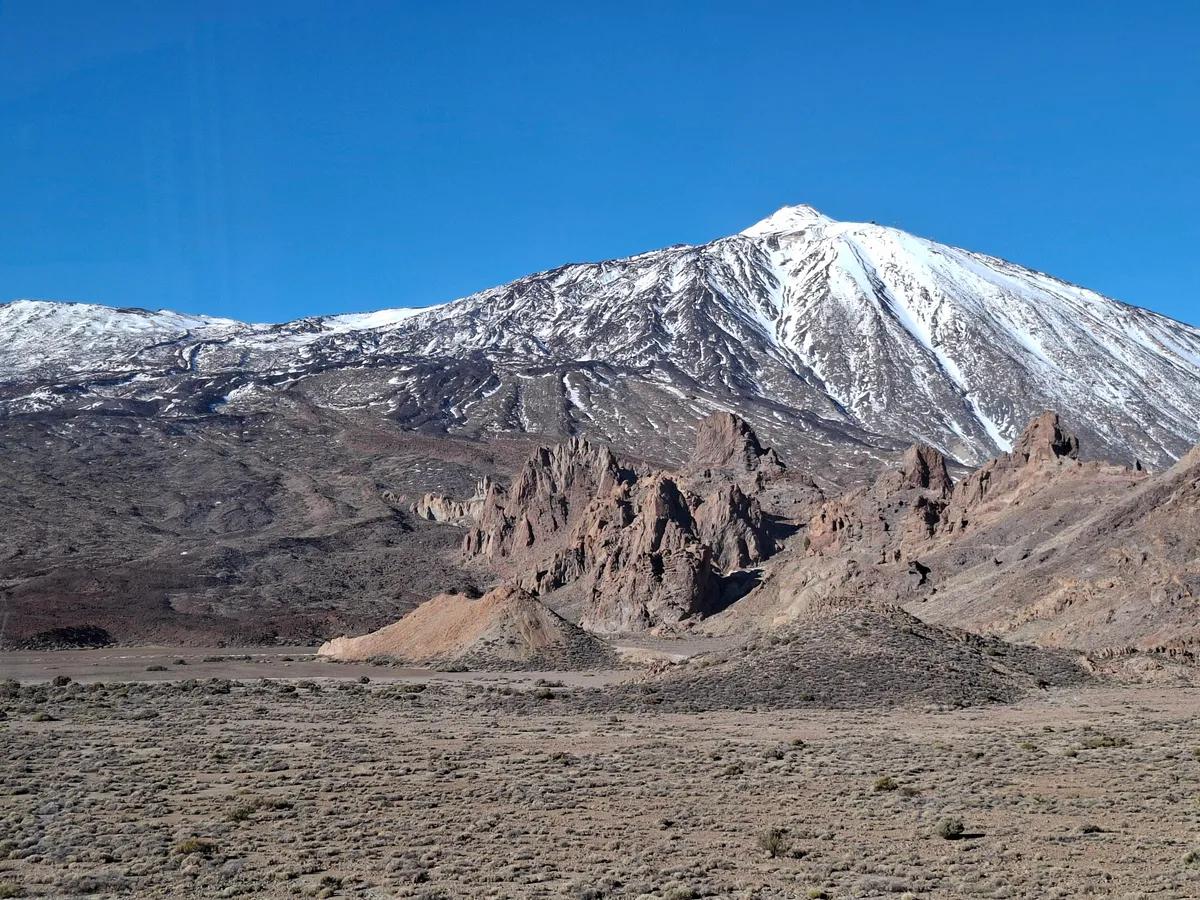
Tenerife
This guide covers Tenerife. Explore more about this destination.
View Destination
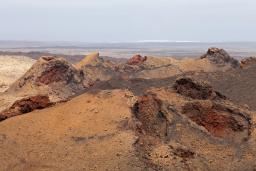
Photo gallery
La Graciosa island across a turquoise strait seen from Mirador del Río, Lanzarote
Photo: Frank Vincentz via Wikimedia Commons · CC BY-SA 3.0 (https://creativecommons.org/licenses/by-sa/3.0)