Tenerife
Tenerife, the largest of the Canary Islands, splits into a dry, sunny resort south and a greener north of old towns, with Mount Teide, the highest peak in Spain, in between.
Tenerife
Tenerife, the largest of the Canary Islands, splits into a dry, sunny resort south and a greener north of old towns, with Mount Teide, the highest peak in Spain, in between.
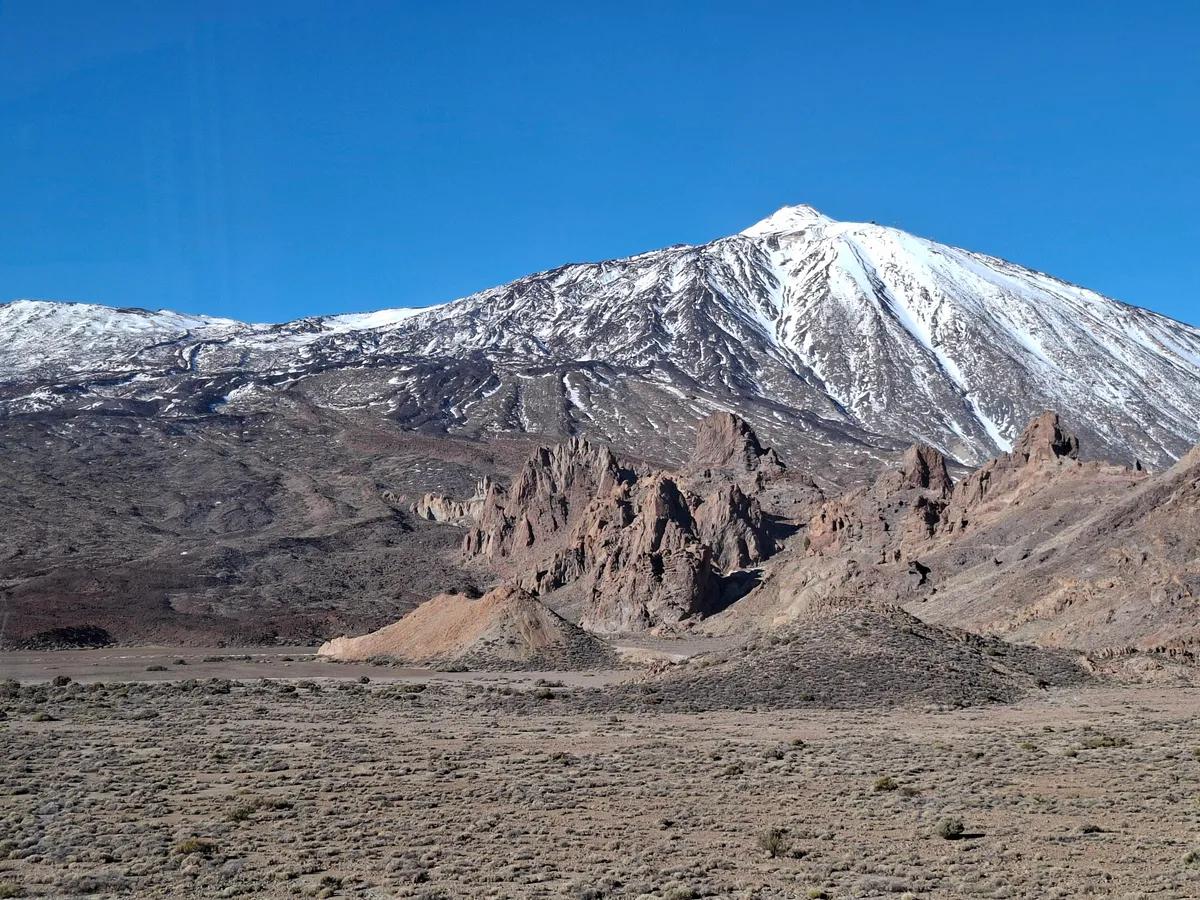
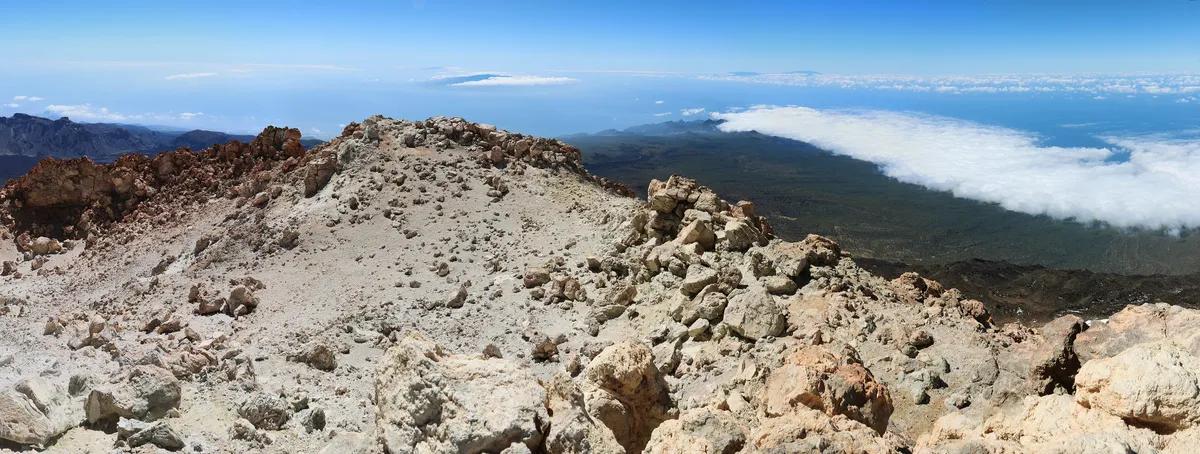
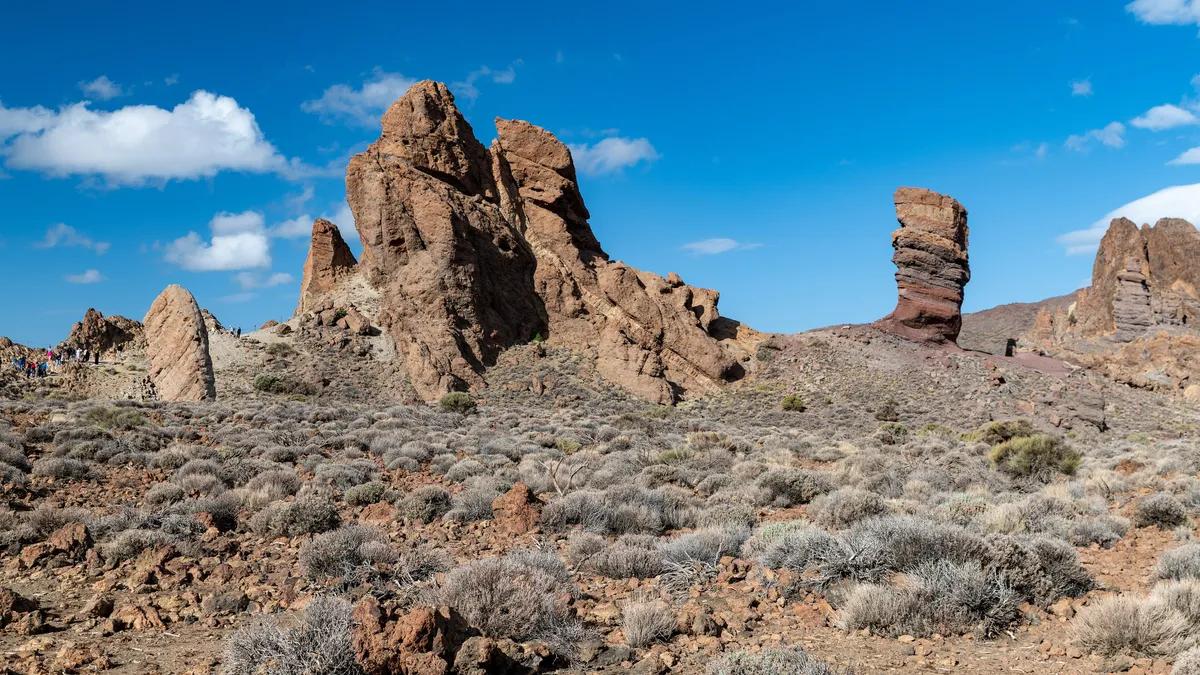
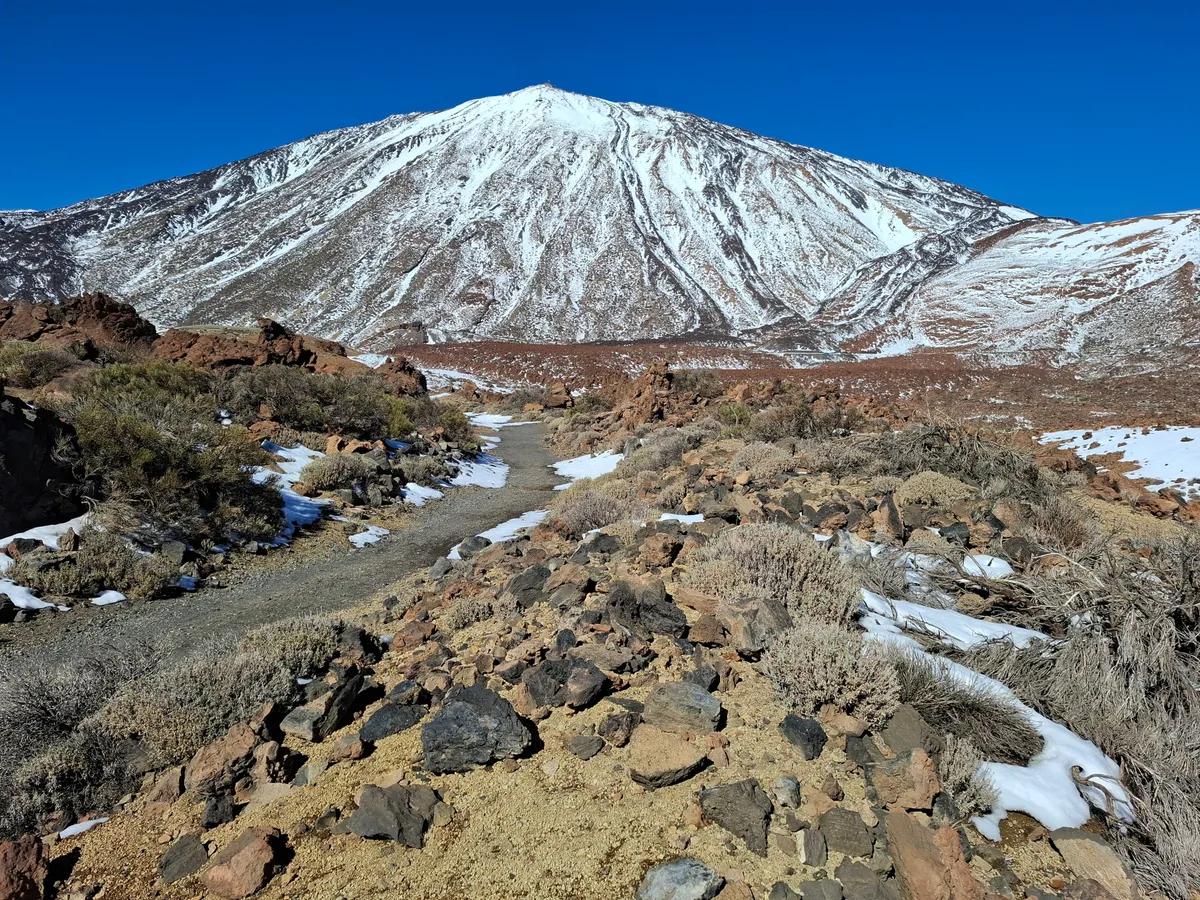
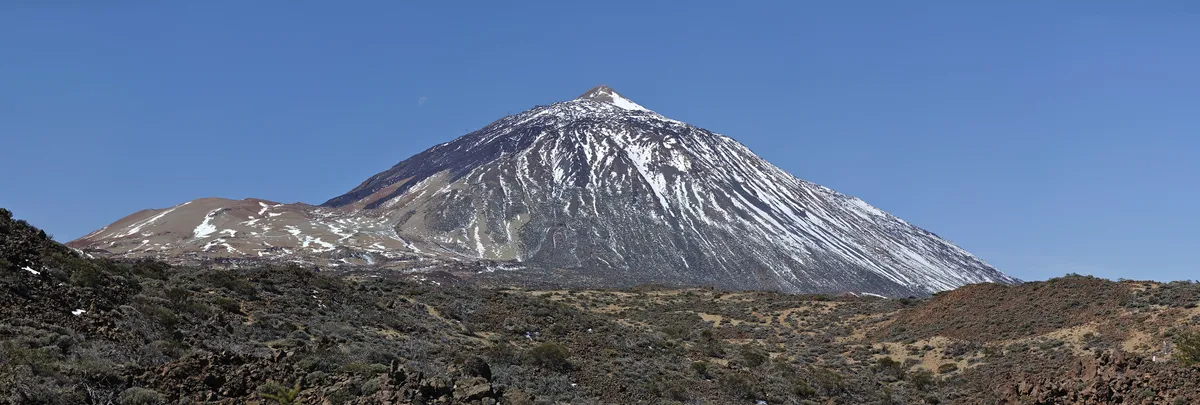
Tenerife is the largest of the Canary Islands, a Spanish island in the Atlantic off north-west Africa, and a popular choice for first-time visitors. Its layout is shaped by Mount Teide, which rises to 3,715 metres, the highest peak in Spain, at the centre of Teide National Park. The park has been a UNESCO World Heritage Site since 2007. The mountain divides the island into two halves with different weather and a different feel, and picking a side is the first decision of any trip.
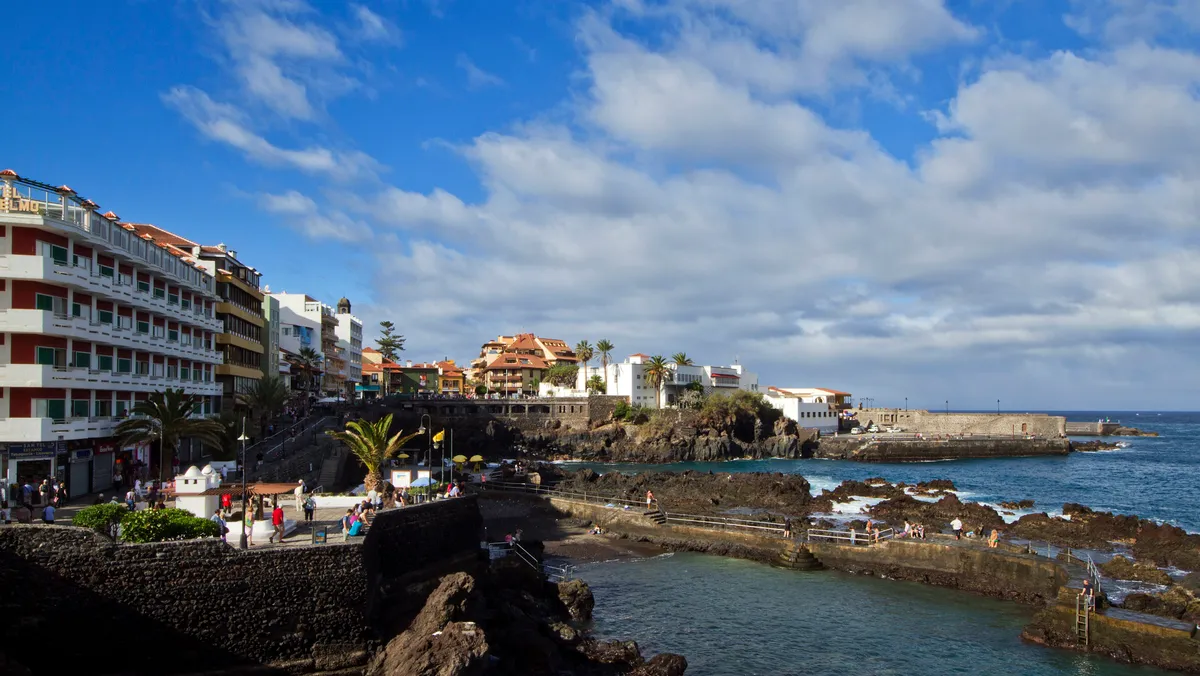
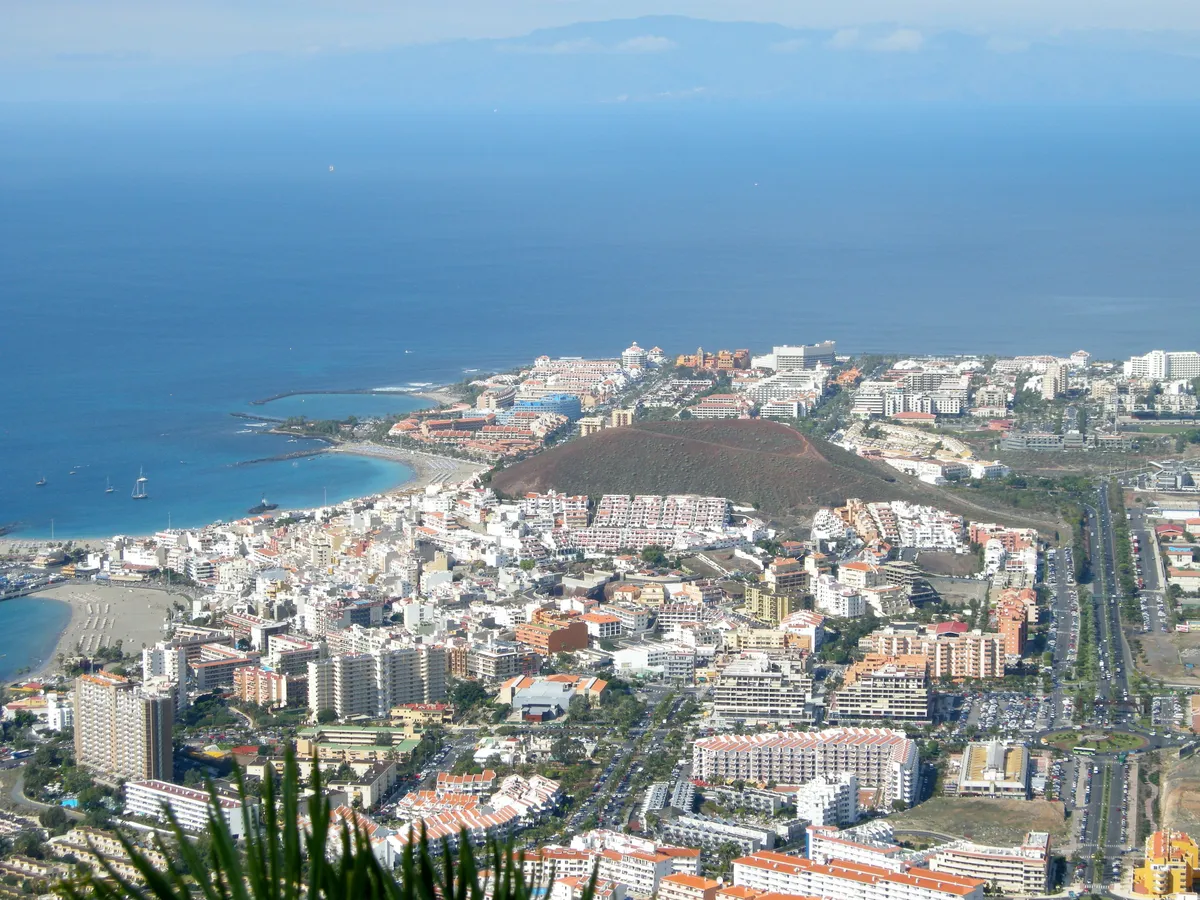
The south and south-west are dry, sunny and built around holidays. The resort strip of Costa Adeje, Playa de las Américas and Los Cristianos lies close to Tenerife South Airport and offers hotels, beaches such as Playa del Duque and the Siam Park water park. Further east, El Médano is the island's wind and kite beach. The north is greener and cloudier, with more of everyday Canarian life: Puerto de la Cruz and the Orotava Valley, the old university town of San Cristóbal de La Laguna (a UNESCO World Heritage Site since 1999) and the capital, Santa Cruz de Tenerife, home of the Auditorio de Tenerife and the Santa Cruz de Tenerife Carnival.
The weather gap is real. AEMET's 1981 to 2010 normals for the Tenerife Sur airport station give 132 mm of rain a year and an average January high of 21.7C. The Tenerife Norte airport station, on the upland plain of Los Rodeos near La Laguna, records 520 mm and a January high of 16.0C. The north coast at Puerto de la Cruz is milder than that upland station, but the northern side is often cloudier.
What to do
- Ride the Teide cable car, or plan a summit climb with the Teide permit and cable car guide.
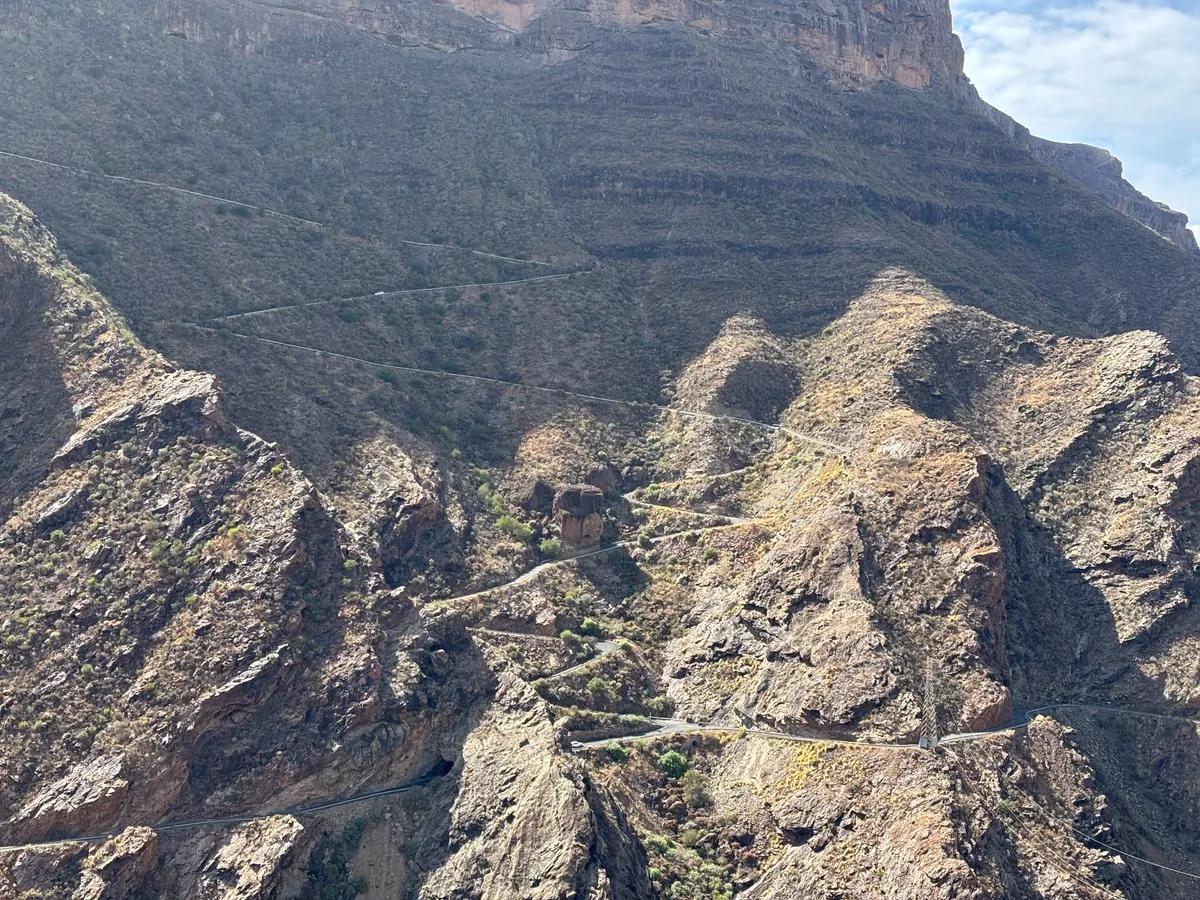
- Drive the mountain road to the hamlet of Masca, then see the Los Gigantes cliffs from the sea.
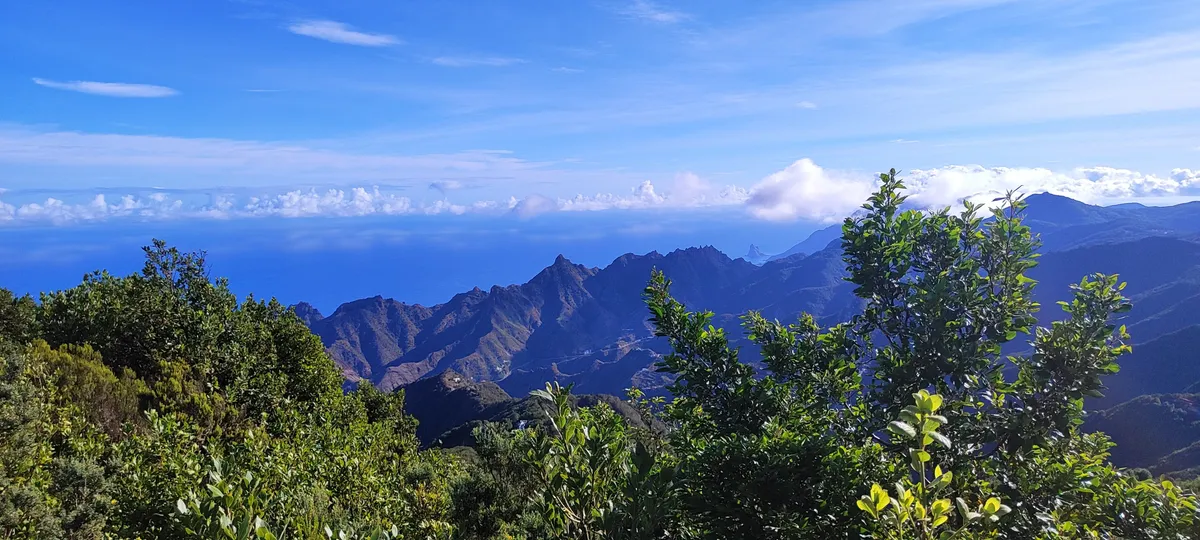
- Walk the laurel forest trails of Anaga Rural Park and swim at Playa de las Teresitas or the black sand of Playa de Benijo.
- Visit the ancient dragon tree, the Drago Milenario in Icod de los Vinos.
- Book a whale and dolphin trip from the south-west coast, or go stargazing in the national park.
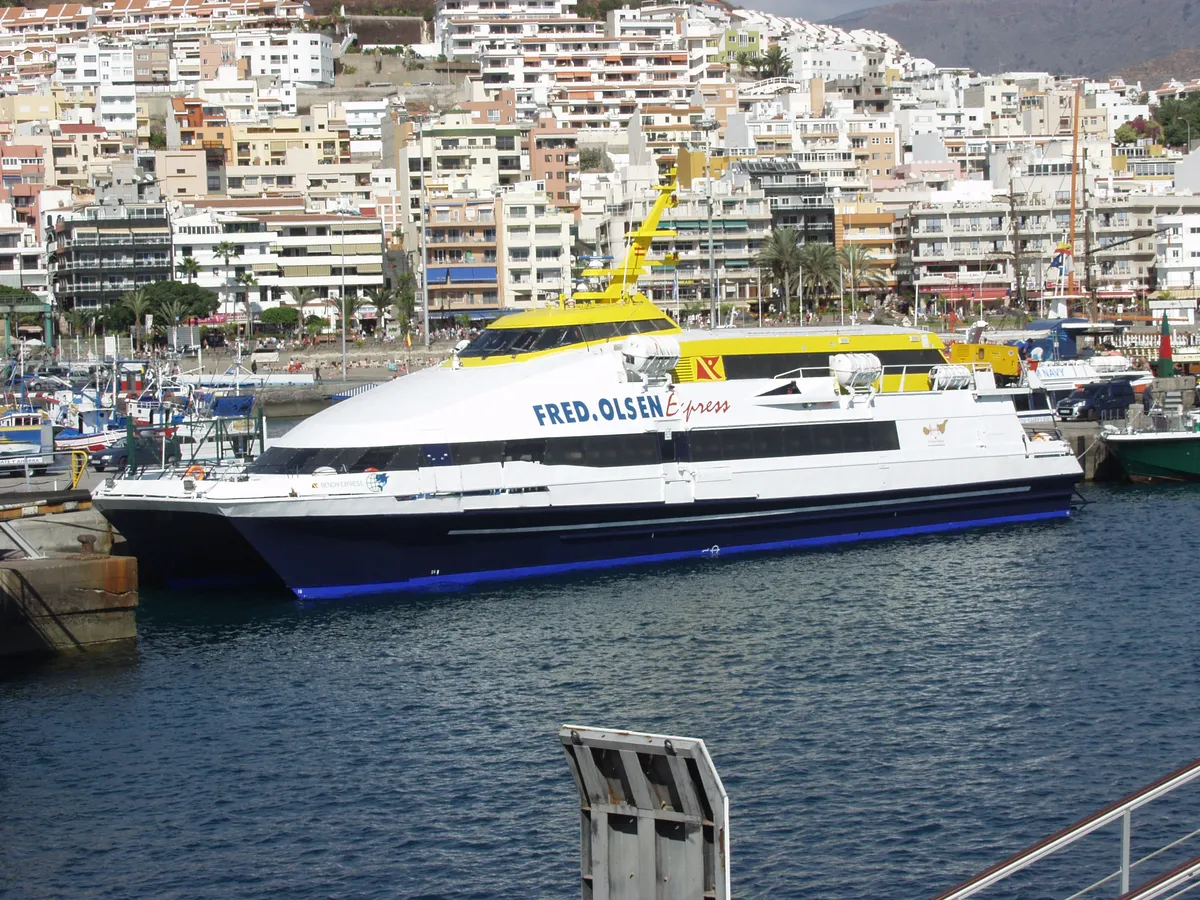
Tenerife suits first-time visitors, families after dependable sun in the south, and walkers who want mountain and forest trails. Compared with Gran Canaria it has the higher mountain. Compared with Lanzarote and Fuerteventura it is greener and more varied, with fewer long natural sandy beaches. It has two airports, Tenerife South (TFS) for the resorts and Tenerife North (TFN) near La Laguna, and it is the main ferry base for the western islands: Fred. Olsen lists the Los Cristianos to La Gomera crossing at 50 minutes as of November 2026, with sailings from Los Cristianos to La Palma and El Hierro too.
For planning, start with things to do in Tenerife, where to stay in Tenerife and the Tenerife 7-day itinerary. If you are still choosing an island, read which Canary Island is best.
Practical information
Photo gallery
Tenerife
Photo: Kawon Kez Sel via Wikimedia Commons · CC0 (http://creativecommons.org/publicdomain/zero/1.0/deed.en)
Top attractions
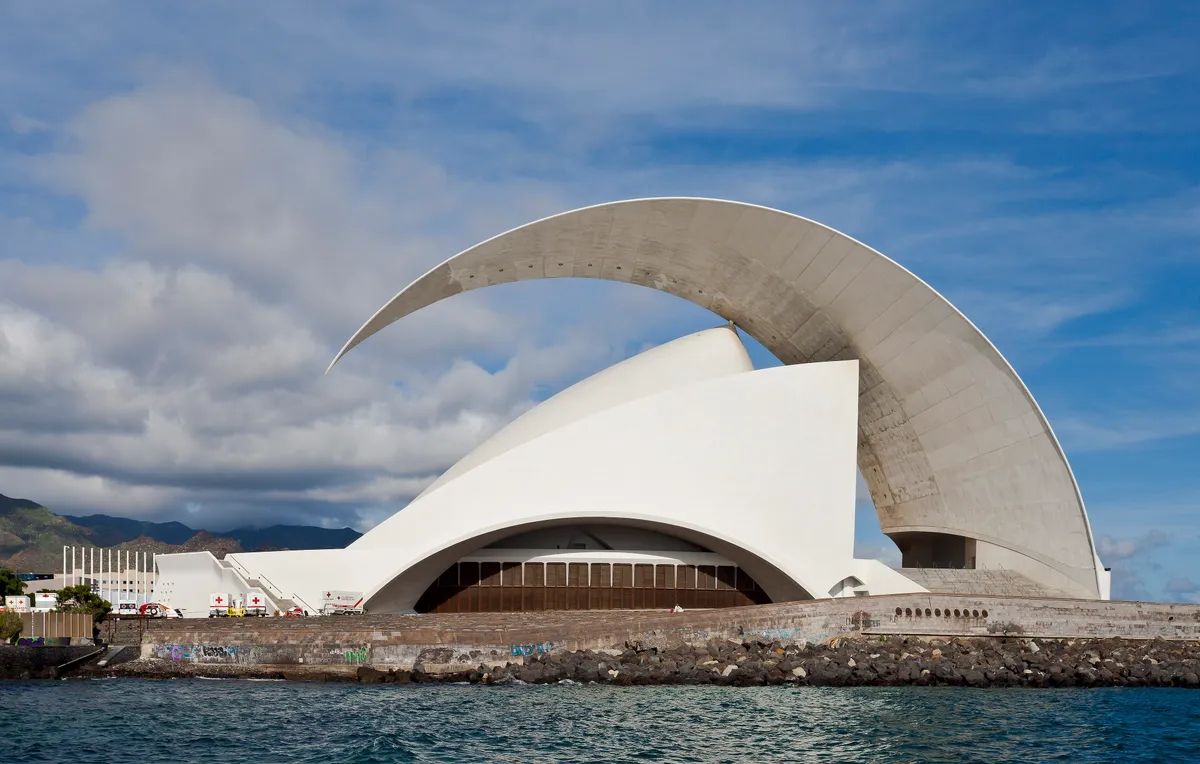
Auditorio de Tenerife
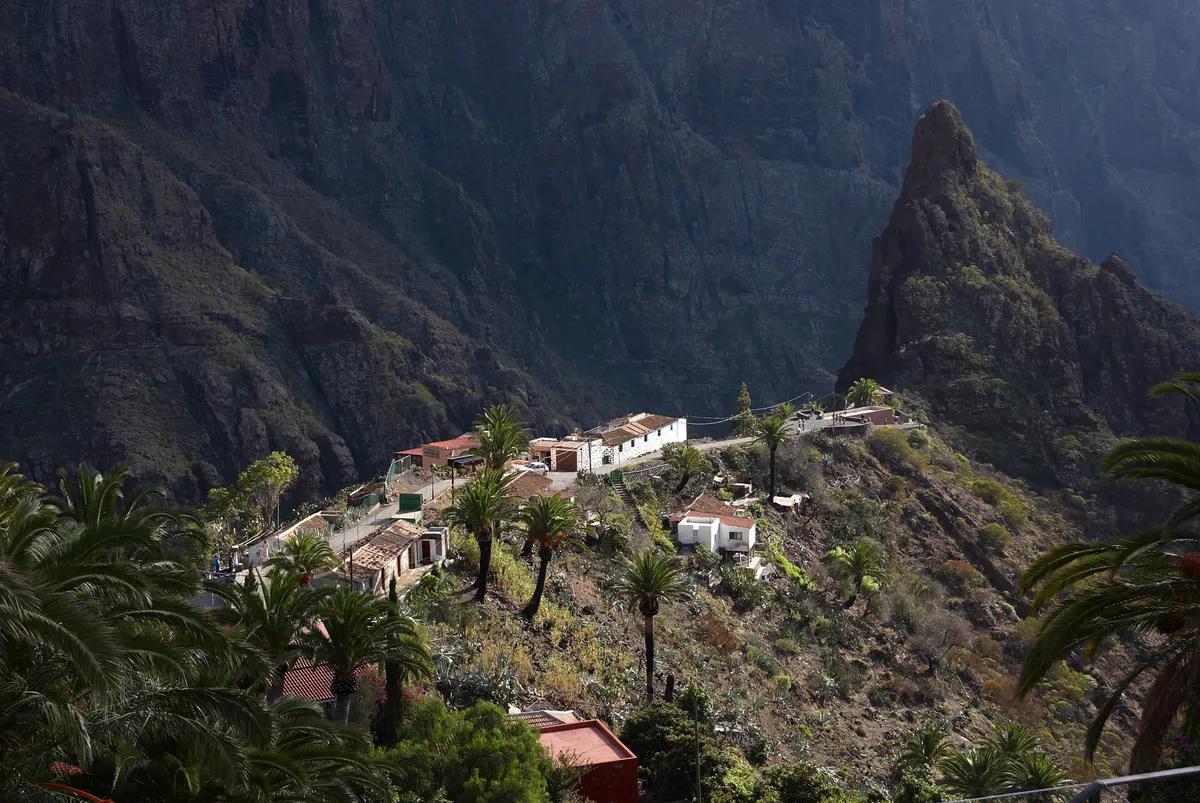
Masca and the Masca Gorge
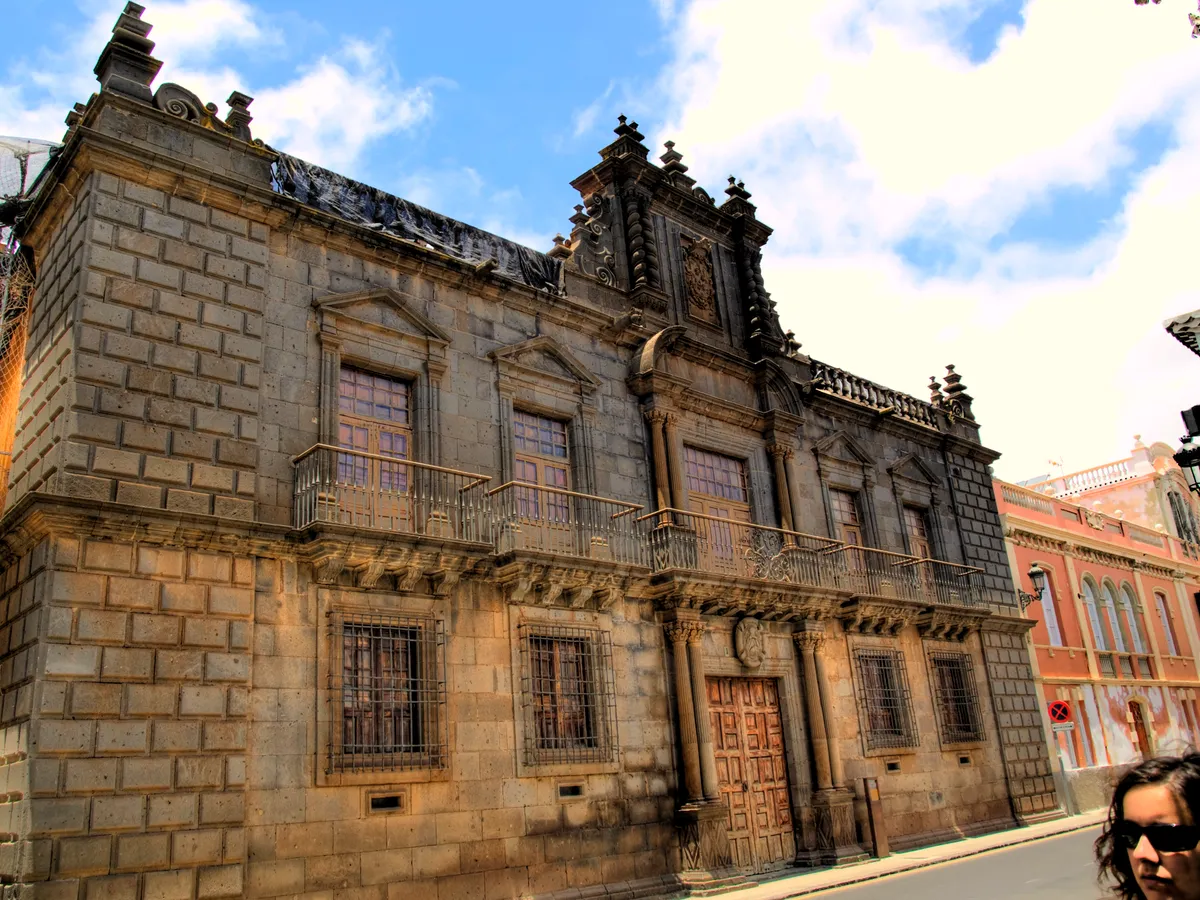
San Cristóbal de La Laguna Old Town
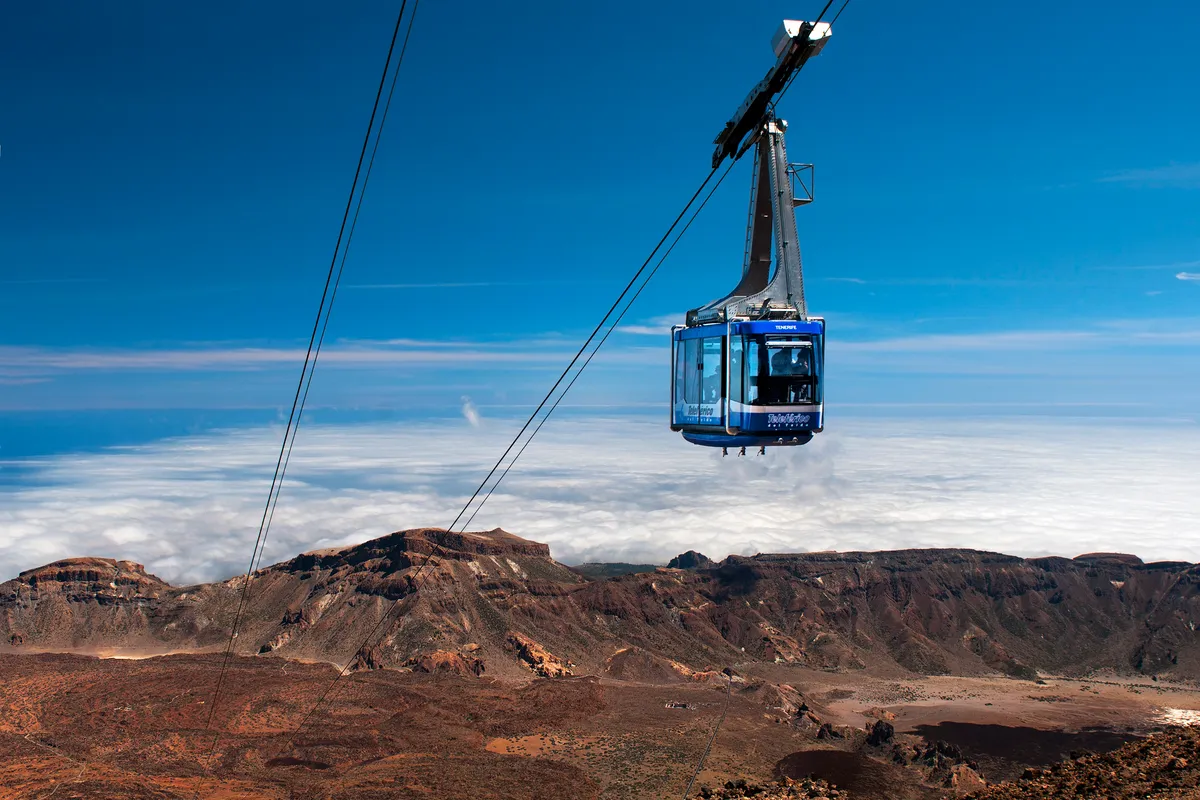
Teide Cable Car (Teleférico del Teide)
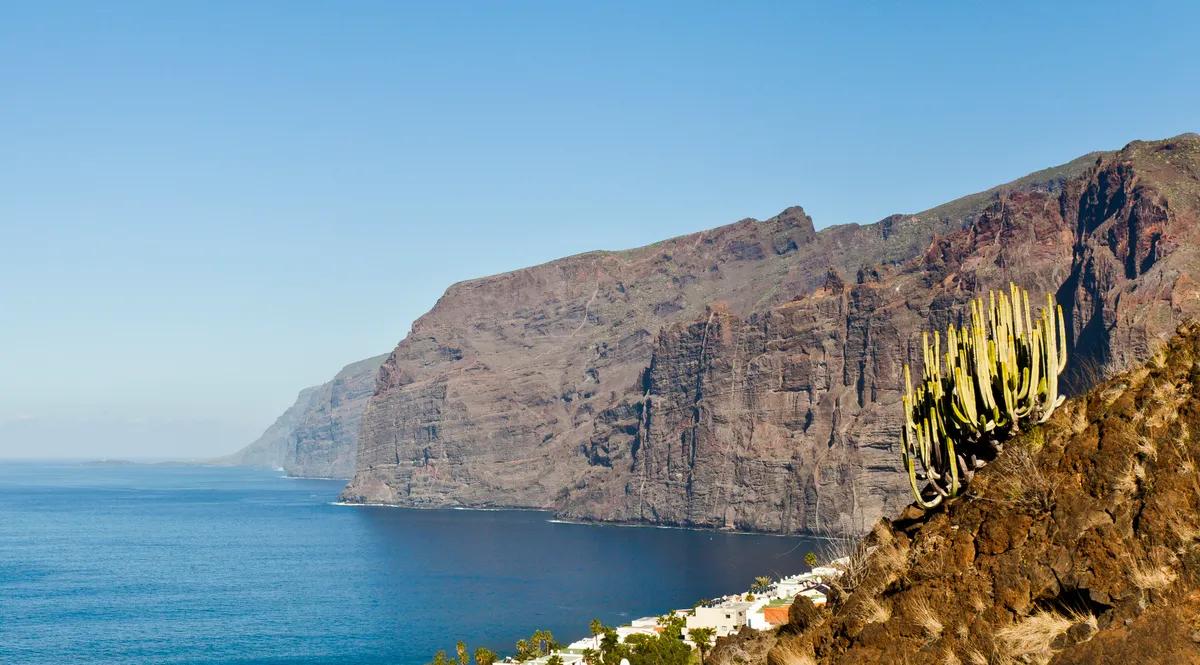
Los Gigantes Cliffs (Acantilados de Los Gigantes)
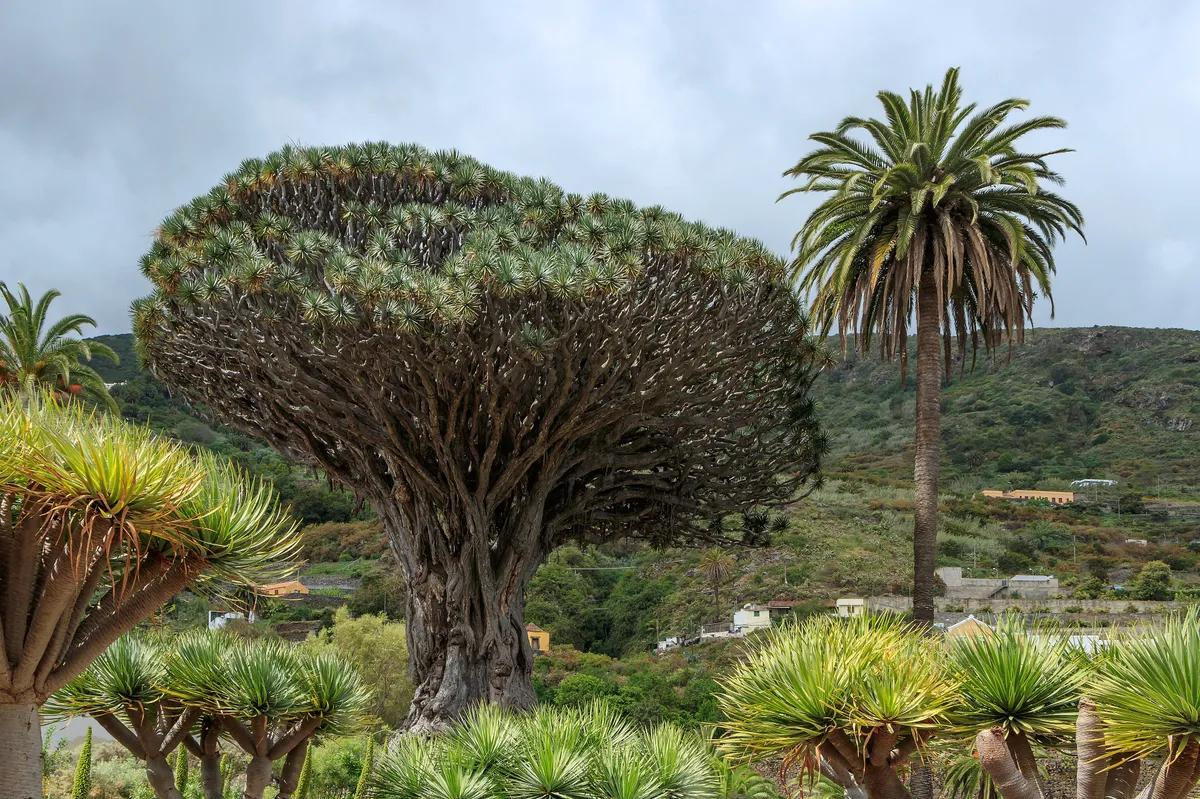
Drago Milenario (Parque del Drago)
Beaches here
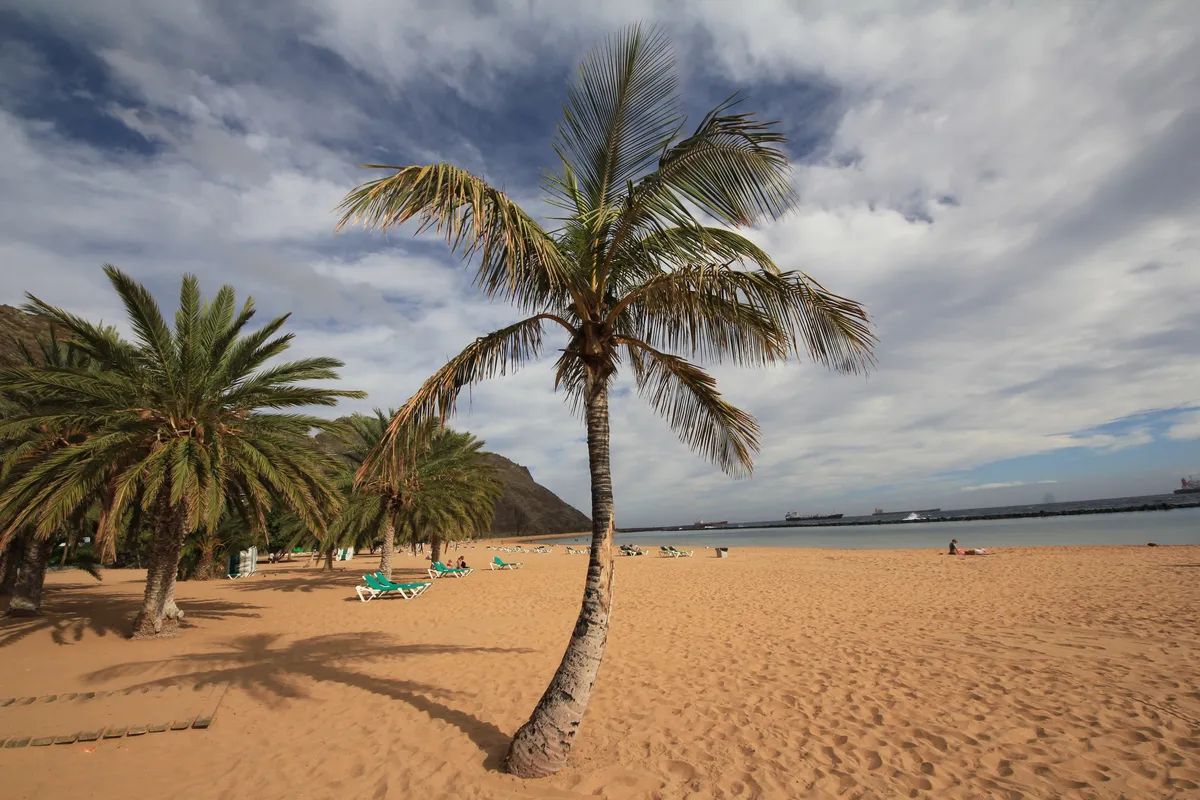
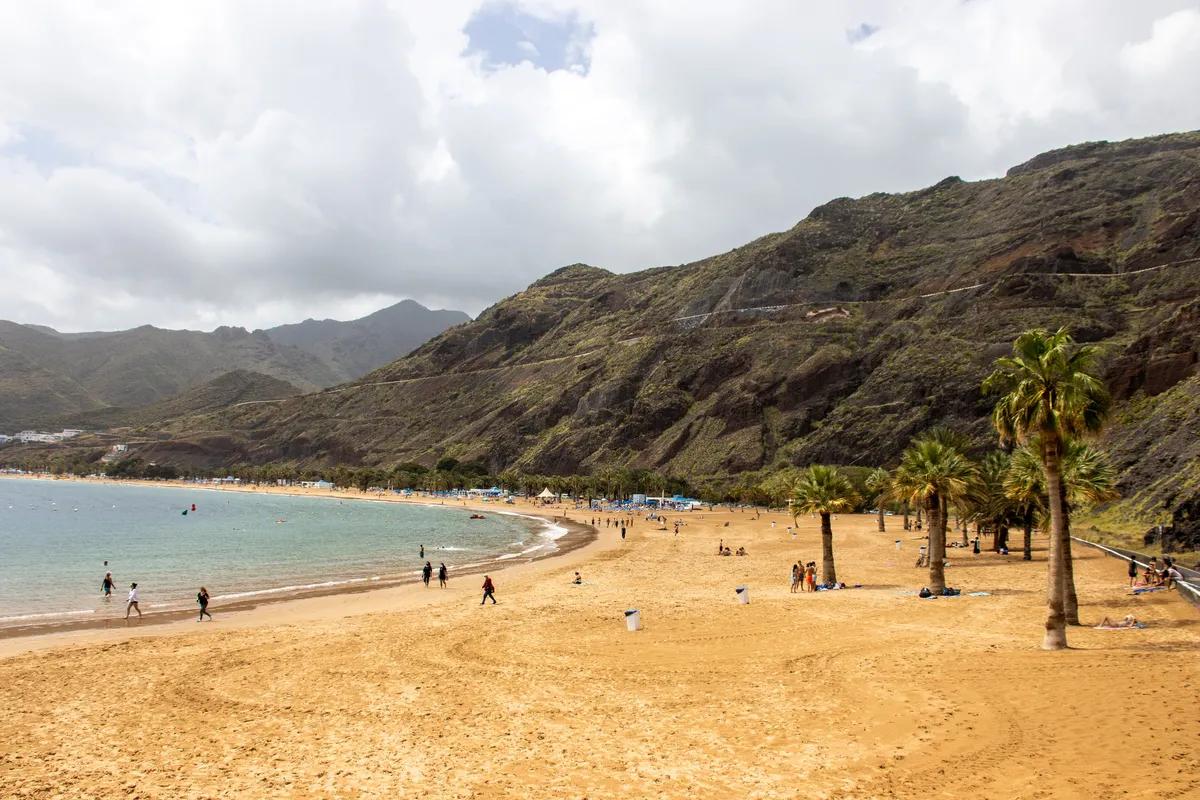
Playa de las Teresitas
A city beach in Tenerife: 1.3 km of golden sand under the Anaga hills near San Andrés, with calm water behind a breakwater and lifeguards.
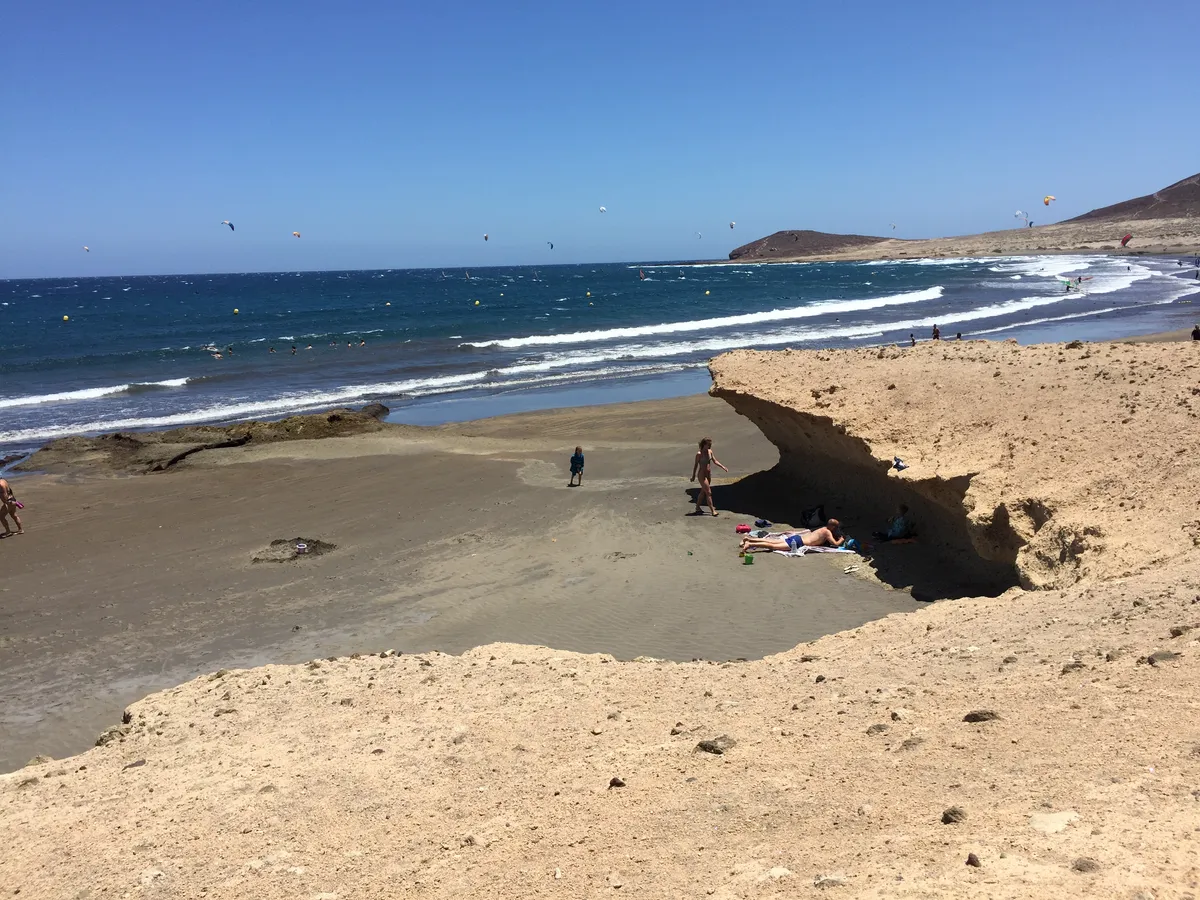
Playa de El Médano
A 750-metre grey-sand beach at El Médano, south Tenerife: calmer water by the town, wind and a water-sports area further along, below Montaña Roja.
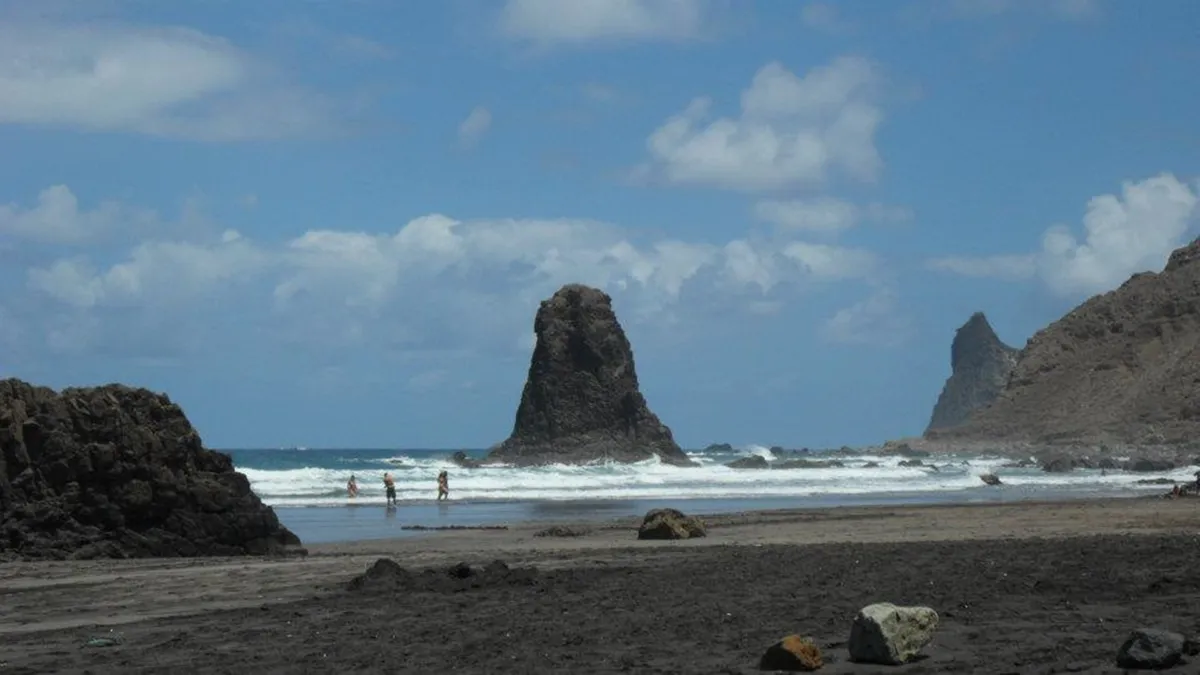
Playa de Benijo
A wild 300-metre black-sand beach on Tenerife's Anaga coast. Council notices warn of closed access because of rockfall risk: check before planning a visit.
Events & festivals
Activities & experiences
Parks & nature
Tenerife questions
Is it better to stay in the north or south of Tenerife?
+
The south, around Costa Adeje, Playa de las Américas and Los Cristianos, is drier and sunnier and has a wide choice of hotels and beaches. The north, around Puerto de la Cruz, La Orotava and La Laguna, is greener and cloudier, with more town life and history. Beach-focused trips usually pick the south; walkers and culture lovers often prefer the north.
How high is Mount Teide?
+
Mount Teide reaches 3,715 metres, the highest peak in Spain. It stands in Teide National Park, a UNESCO World Heritage Site since 2007. A cable car runs most of the way up, and the final path to the summit needs a permit booked in advance through Tenerife ON.
Which airport should I fly into for Tenerife?
+
Tenerife has two airports. Tenerife South (TFS) is closest to the southern resorts and handles most holiday flights from the UK and Ireland. Tenerife North (TFN), near La Laguna, is closer to Santa Cruz and Puerto de la Cruz and handles many inter-island and Spanish flights.
Can you visit other islands from Tenerife?
+
Yes. Tenerife is the main ferry base for the western islands. Fred. Olsen lists the Los Cristianos to La Gomera crossing at 50 minutes as of November 2026, with sailings from Los Cristianos to La Palma and El Hierro too, and a ferry from Santa Cruz to Agaete on Gran Canaria. Inter-island flights also leave from Tenerife North.
Is Tenerife warm in winter?
+
The south is mild in winter. AEMET's 1981 to 2010 normals for the Tenerife Sur airport station give an average January high of 21.7C and low of 15.2C. The north and the uplands are cooler and wetter, and Mount Teide can have snow in winter, so pack a warm layer for the mountains.
Keep reading
Travel Guides
Helpful guides for planning your trip to Tenerife
 Beaches Nature
Best Beaches in the Canary Islands: 20 Picks by Island
Twenty Canary Islands beaches on six islands, from Tenerife to La Palma, with honest notes on access, wind and currents and the official 2026 Blue Flag list.
 Planning
Best Time to Visit the Canary Islands: Month by Month
The Canary Islands work all year. October to April is the winter-sun season; May, June, September and October suit a mixed trip. Compare stations by coast.
 Experiences
Things to Do in Tenerife: Teide, the North and the Coast
Things to do in Tenerife, Canary Islands, sorted by interest: Teide, the north, the southern resorts, whales, beaches, towns, family days and bad-weather plans.
 Areas Islands
Which Canary Island Is Best? All 8 Islands Compared
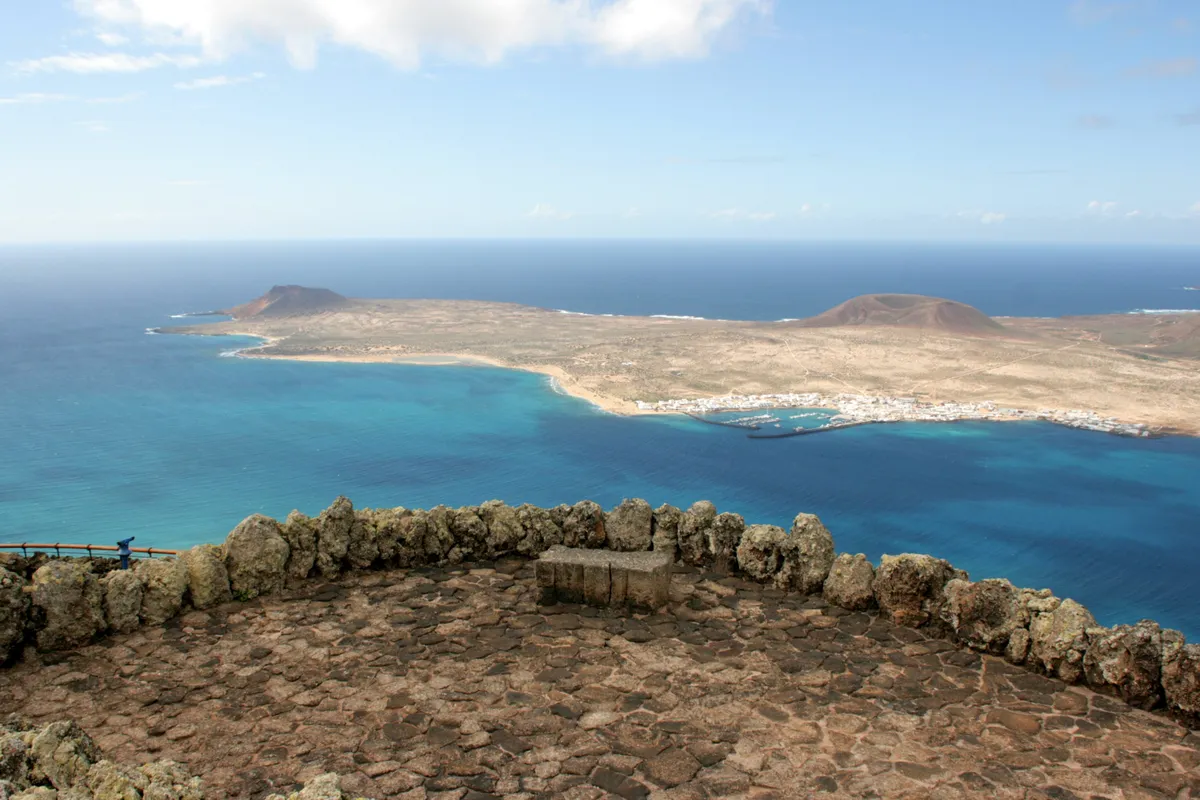
Compare all eight Canary Islands on beaches, weather and wind, nightlife, families, walking, quiet and flights from the UK and Ireland, then pick by trip type.
 Beaches Nature
Mount Teide Permit and Cable Car: Tenerife Summit Rules
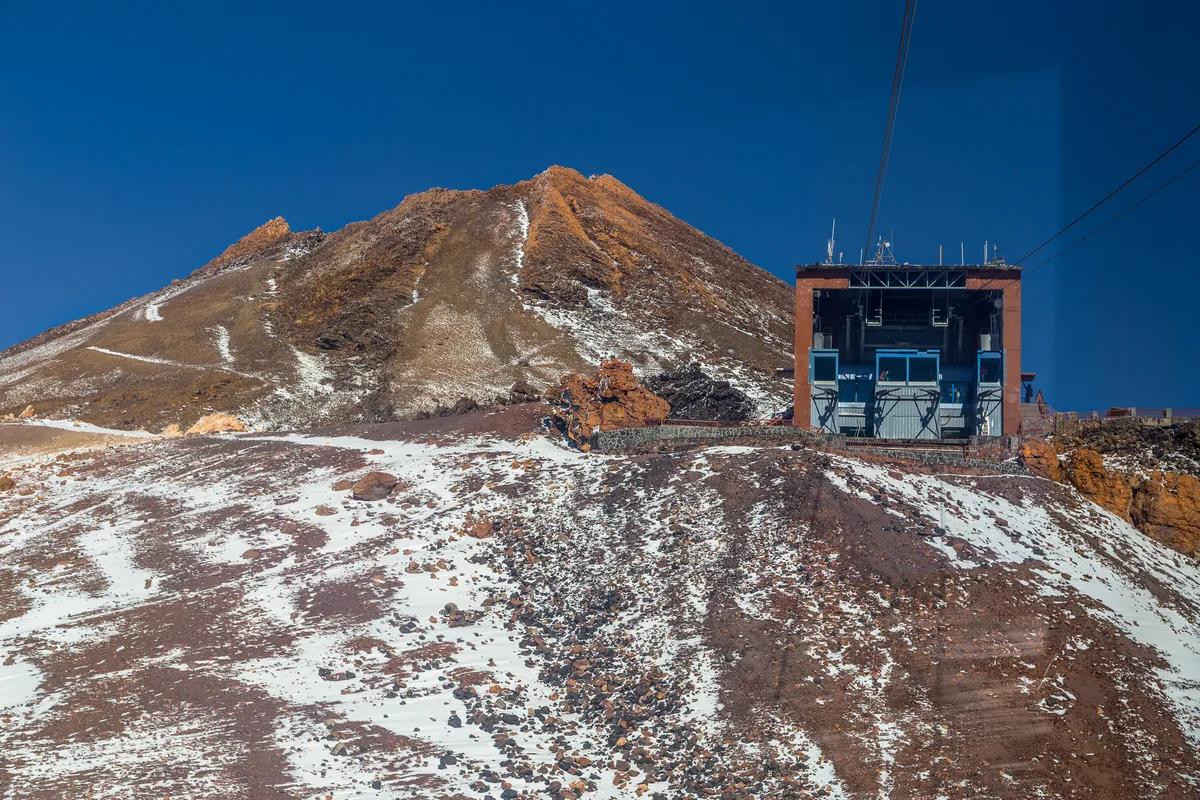
On Tenerife, Teide National Park is free, the cable car is a paid ticket, and the last stretch to the 3,715 m summit needs its own permit from Tenerife ON.
 Planning
Canary Islands Public Holidays 2027: Full Calendar
The Canary Islands have 11 archipelago-wide public holidays in 2027, plus one island holiday on each island and two local holidays in each municipality.
Keep exploring
Nearby Destinations
Explore more places near Tenerife