Stargazing in the Canary Islands
Protected dark skies on La Palma and Teide, with Starlight reserves on three islands
Stargazing in the Canary Islands
See the night sky from La Palma and Teide, where a 1988 sky law protects the observatories, plus Starlight reserves on Fuerteventura. Best spots and planning tips.
The Canary Islands host two of the world's major astronomical observatories, and the law protects their skies. The Roque de los Muchachos Observatory on La Palma and the Teide Observatory on Tenerife both belong to the Instituto de Astrofísica de Canarias (IAC). To keep their skies dark, the Spanish Parliament passed the Law on the Protection of the Astronomical Quality of the IAC Observatories, known locally as the Ley del Cielo, on 31 October 1988.
The sky law
The law applies to La Palma in full: outdoor lighting must avoid sending light above the horizon, and it also controls radio interference and polluting activities above 1,500 metres. For new installations it also protects the Tenerife observatories, except for outdoor lighting, as long as that lighting does not affect La Palma's observatories. La Palma, where the law applies in full, is the first choice for serious stargazing.
Starlight reserves and destinations
The Starlight Foundation certifies places with high-quality night skies. Its list of Starlight Reserves includes La Palma (April 2012), the Cumbres de Tenerife (October 2013) and Fuerteventura (March 2015). The foundation also lists La Palma, El Teide and Gran Canaria as Starlight Tourist Destinations, and La Frontera on El Hierro became a Starlight Municipality in 2023.
Where to look up
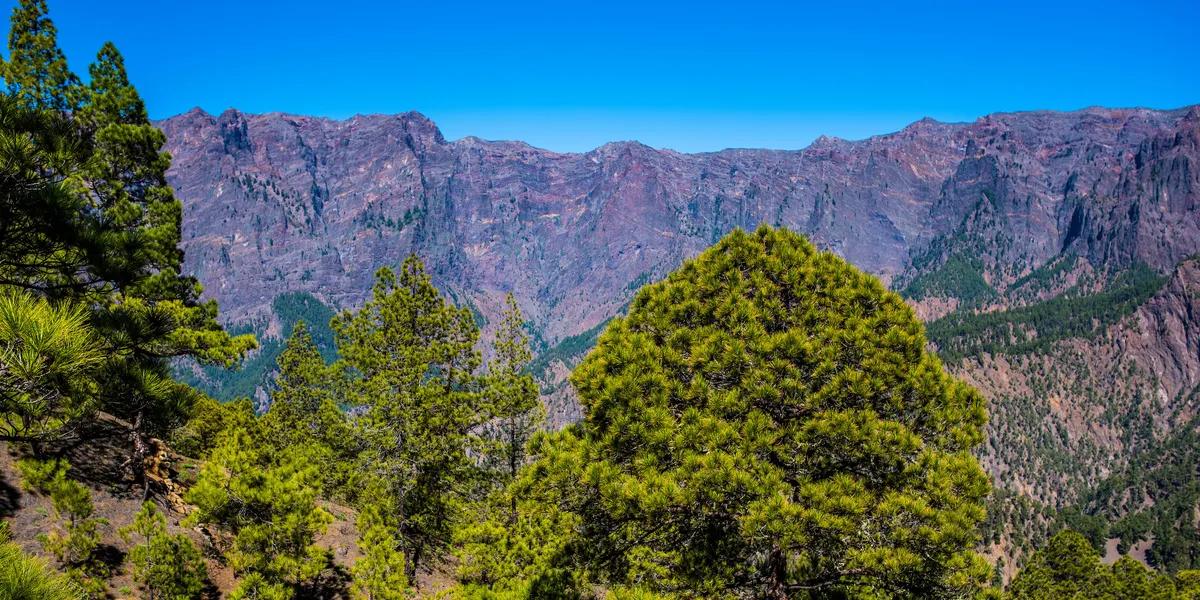
- La Palma: the protected area includes the Roque de los Muchachos observatory and part of the Caldera de Taburiente National Park.
- Tenerife: in Teide National Park, the island's tourism board suggests Montaña de Guajara, the area near the Parador and the park's lookouts, with Llano de Ucanca among the best. A self-guided route of seven information boards links astronomy to the park's landscape. The Teide Observatory, above 2,400 metres at Izaña, offers guided tours.
- Fuerteventura and Gran Canaria: Fuerteventura is a Starlight Reserve and Gran Canaria a Starlight Tourist Destination; drive away from resort lights for darker skies.
Plan around the moon: a new moon gives the darkest skies, and the Milky Way is easiest to see from late spring to early autumn. Nights at altitude are much colder than the coast, so bring warm layers and a red torch, and drive mountain roads with care after dark.
What to know before you go
Plan this experience
The essentials for booking Stargazing in the Canary Islands and getting there.
Photo gallery
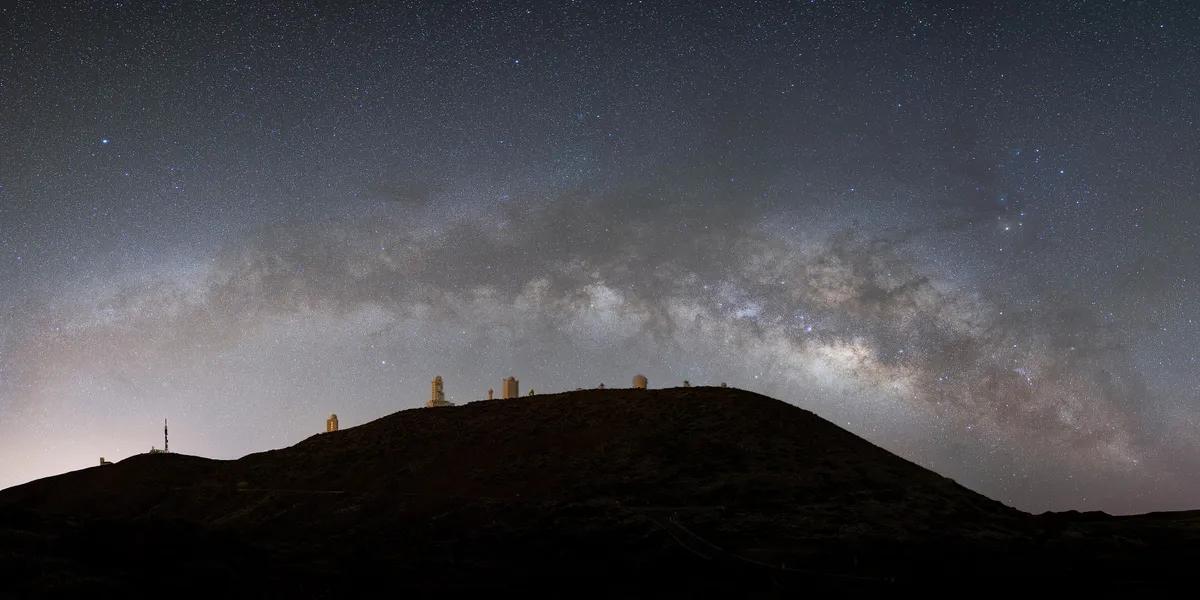
Milky Way arching over the Teide Observatory domes at night on Tenerife
Photo: Curd-Christian Tengeler/IAU OAE via Wikimedia Commons · CC BY 4.0 (https://creativecommons.org/licenses/by/4.0)
Frequently asked questions
Keep reading
Travel Guides
Helpful guides for planning your trip to La Palma
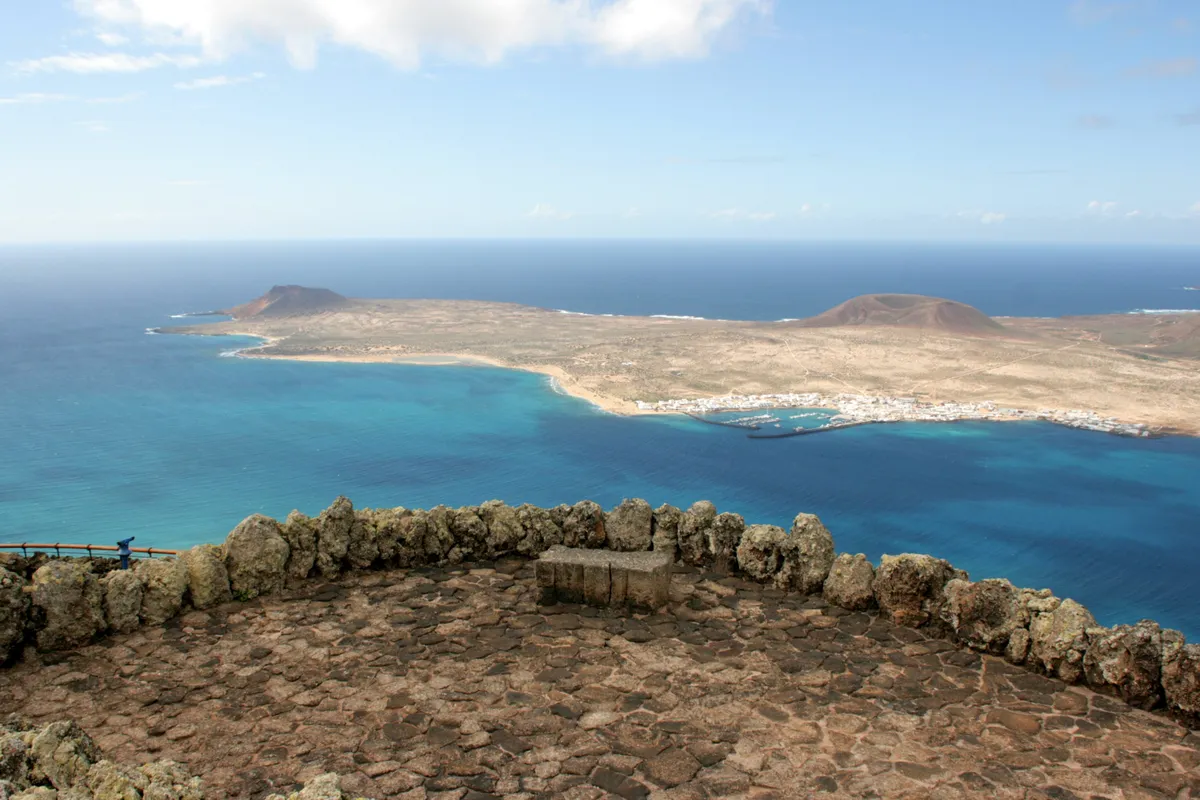 Areas Islands
Which Canary Island Is Best? All 8 Islands Compared
Compare all eight Canary Islands on beaches, weather and wind, nightlife, families, walking, quiet and flights from the UK and Ireland, then pick by trip type.
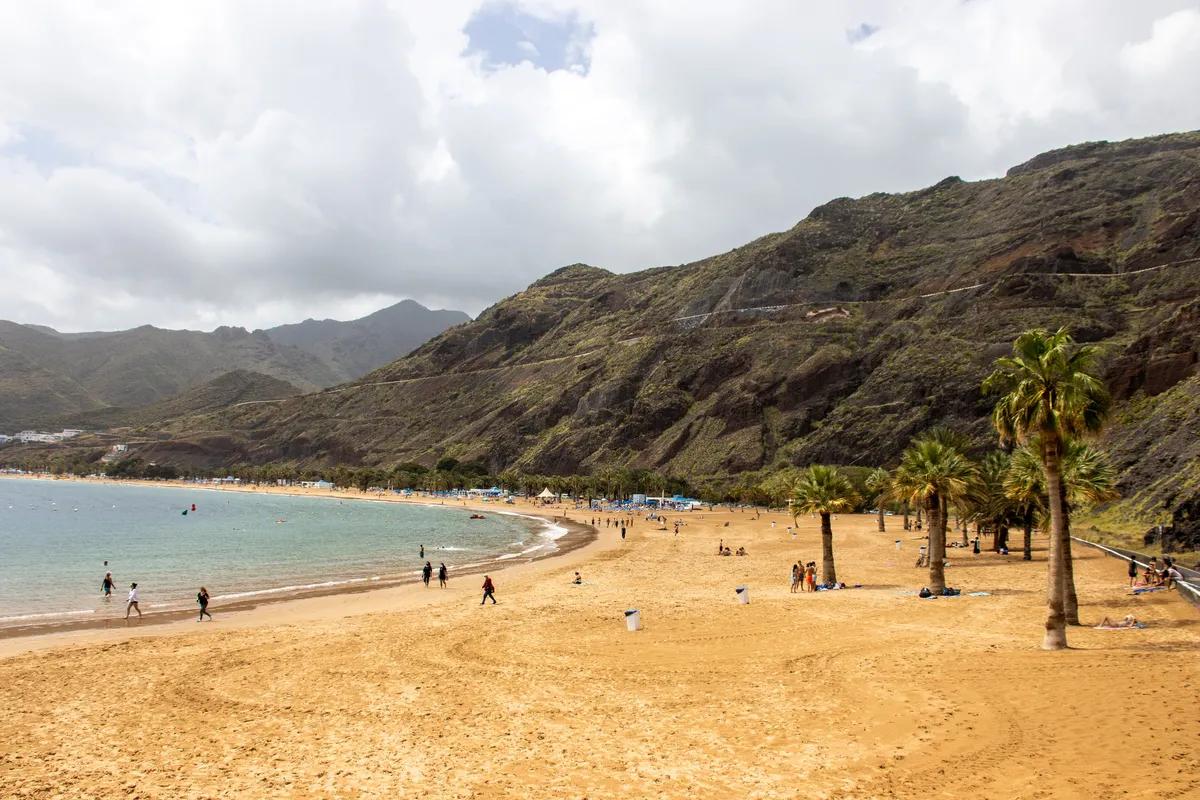 Beaches Nature
Best Beaches in the Canary Islands: 20 Picks by Island
Twenty Canary Islands beaches on six islands, from Tenerife to La Palma, with honest notes on access, wind and currents and the official 2026 Blue Flag list.
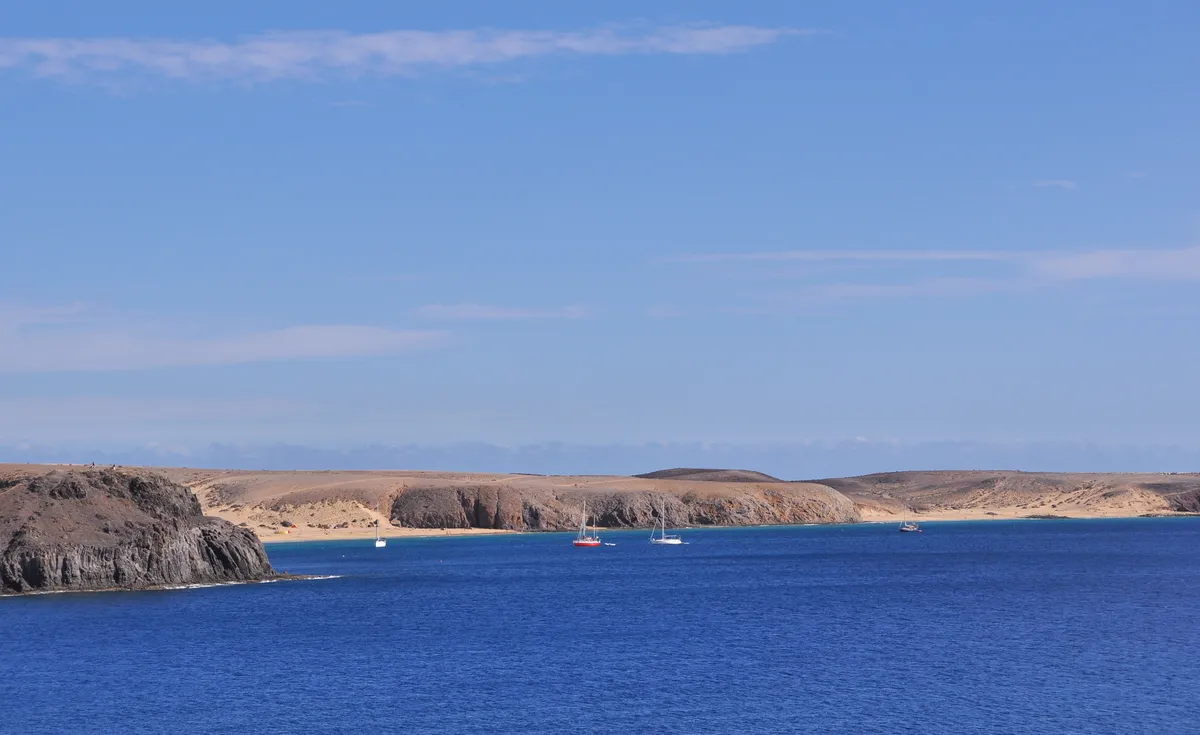 Planning
Best Time to Visit the Canary Islands: Month by Month
The Canary Islands work all year. October to April is the winter-sun season; May, June, September and October suit a mixed trip. Compare stations by coast.
More to Explore in La Palma
Discover beaches, attractions, activities, and more in the same area