Wine Tasting in the Canary Islands
Volcanic Malvasía in La Geria and ten island wine regions
Wine Tasting in the Canary Islands
Taste Canary wine where it grows: the vines in volcanic pits of La Geria on Lanzarote, Tenerife's five wine regions and the protected designations on five other islands.
Ten island Designations of Origin (DOP) are recognised by the regional government's food quality institute. Five are on Tenerife: Abona, Tacoronte-Acentejo, Valle de Güímar, Valle de La Orotava and Ycoden-Daute-Isora. The other five each cover one island: Lanzarote, Gran Canaria, La Palma, La Gomera and El Hierro. There is also an archipelago-wide DOP, Islas Canarias, making eleven protected wine designations in total. Tasting is easy on all of them, and one place to start is La Geria on Lanzarote.
La Geria, Lanzarote
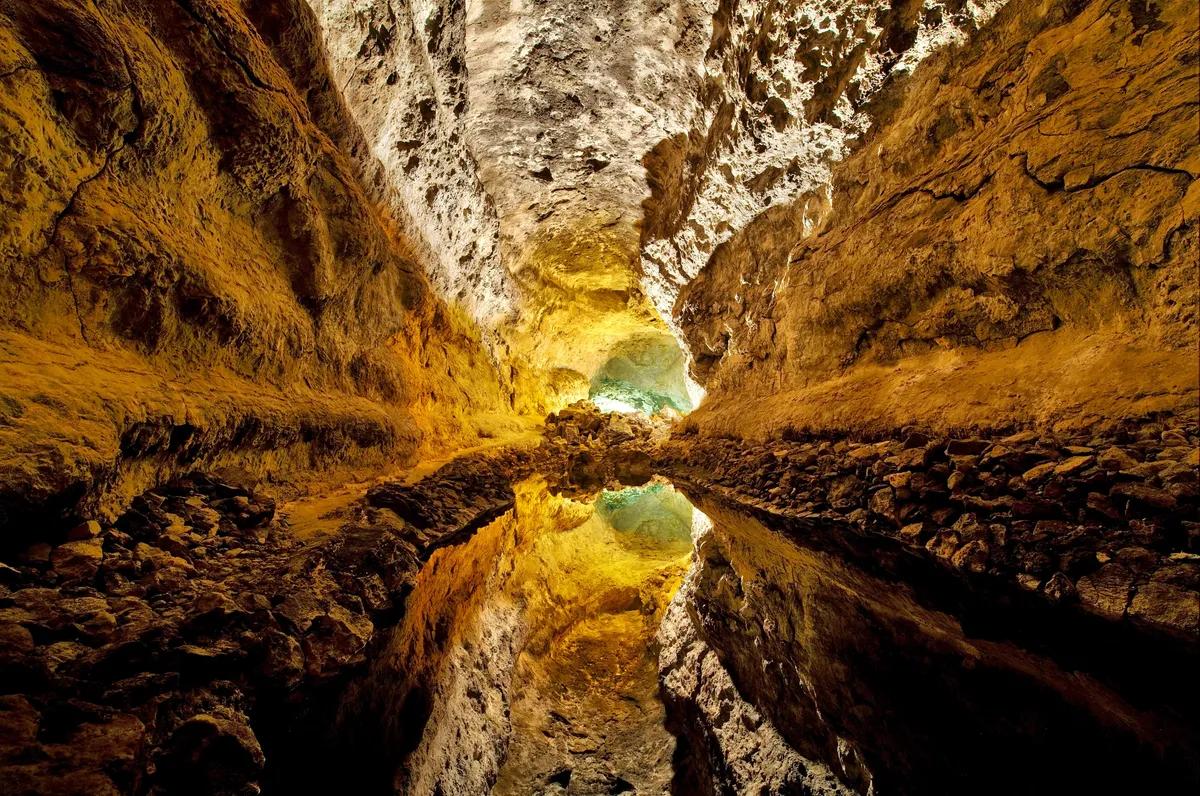
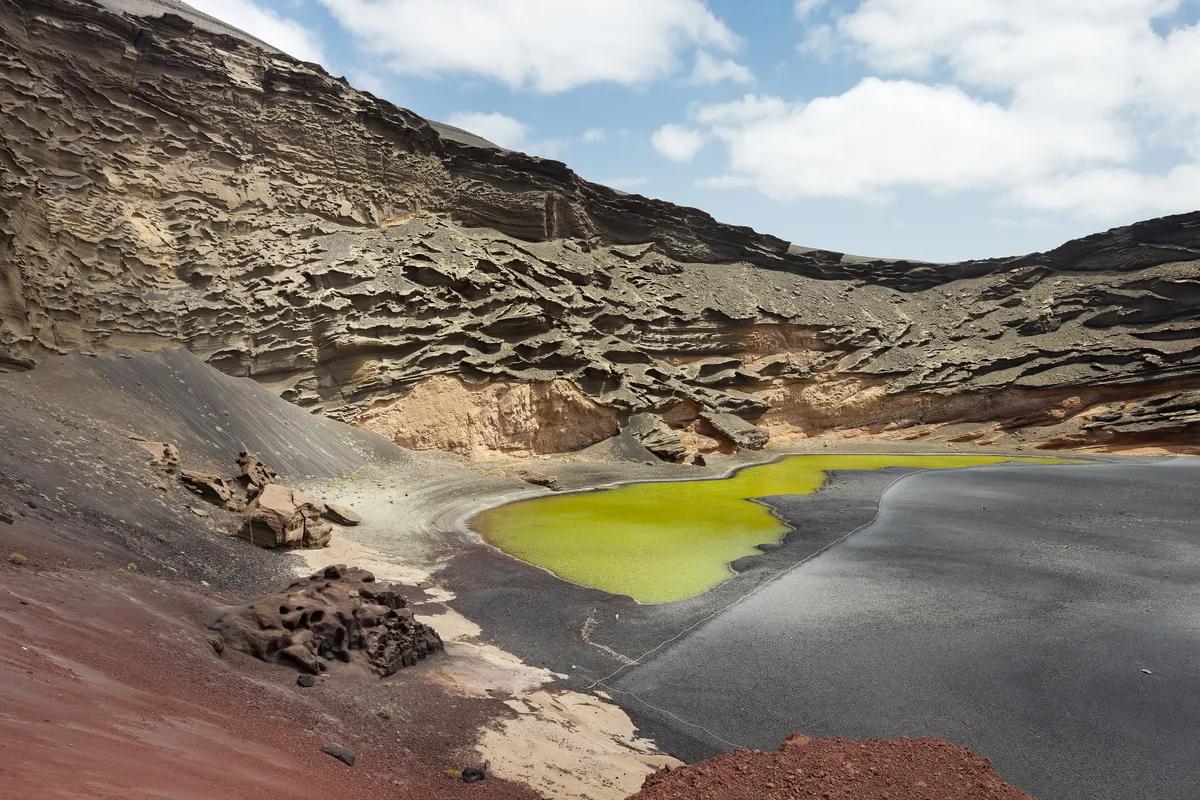
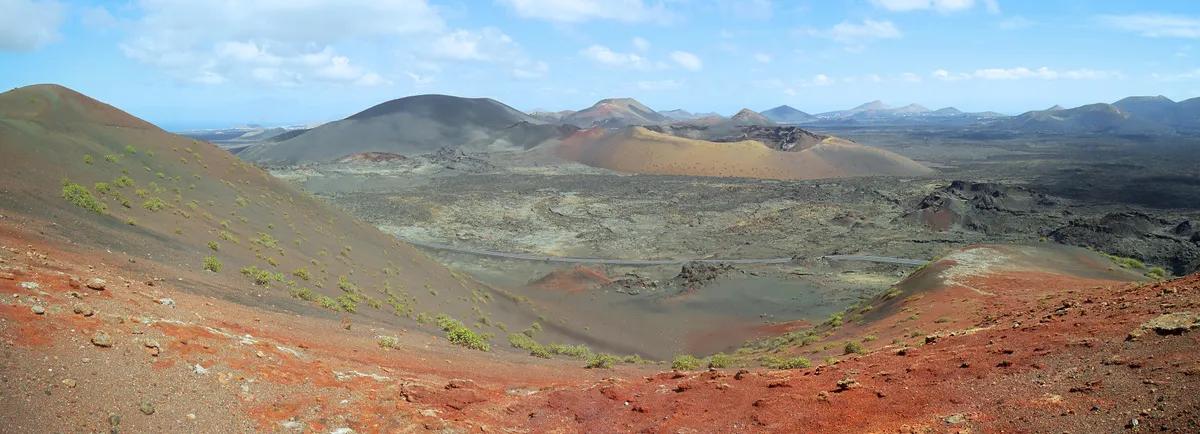
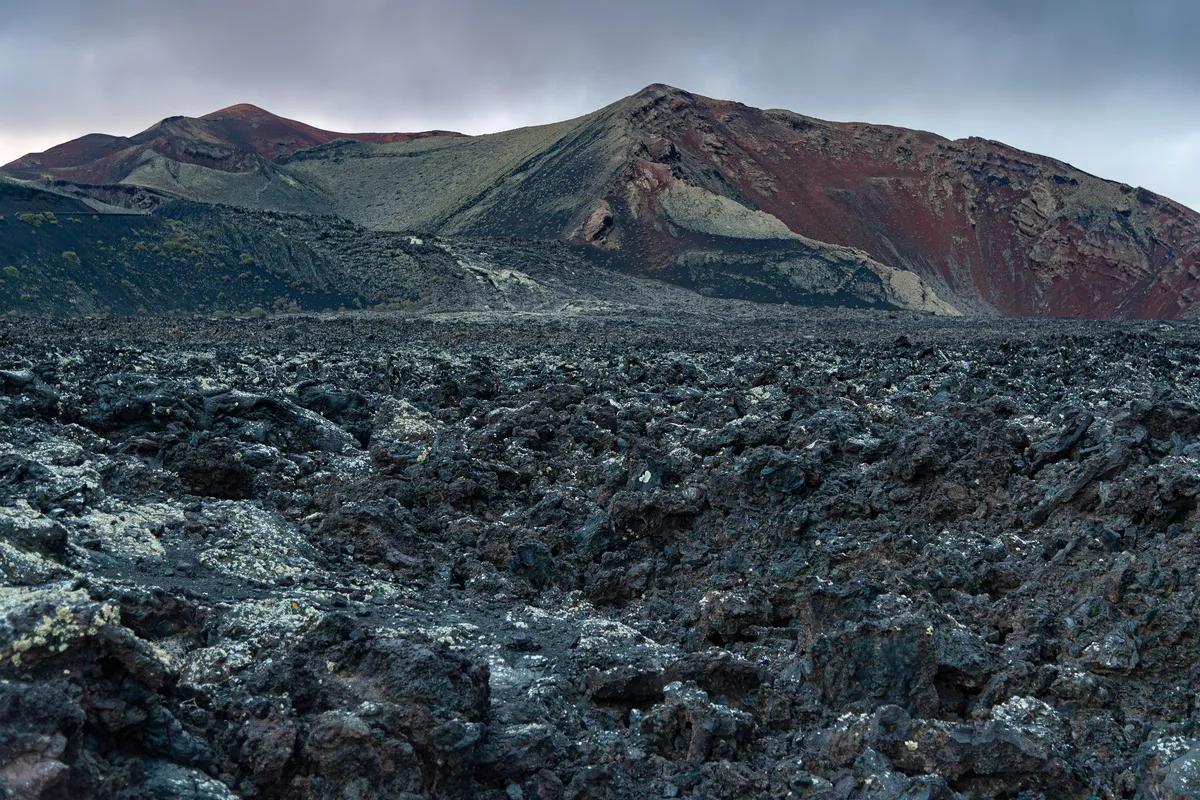
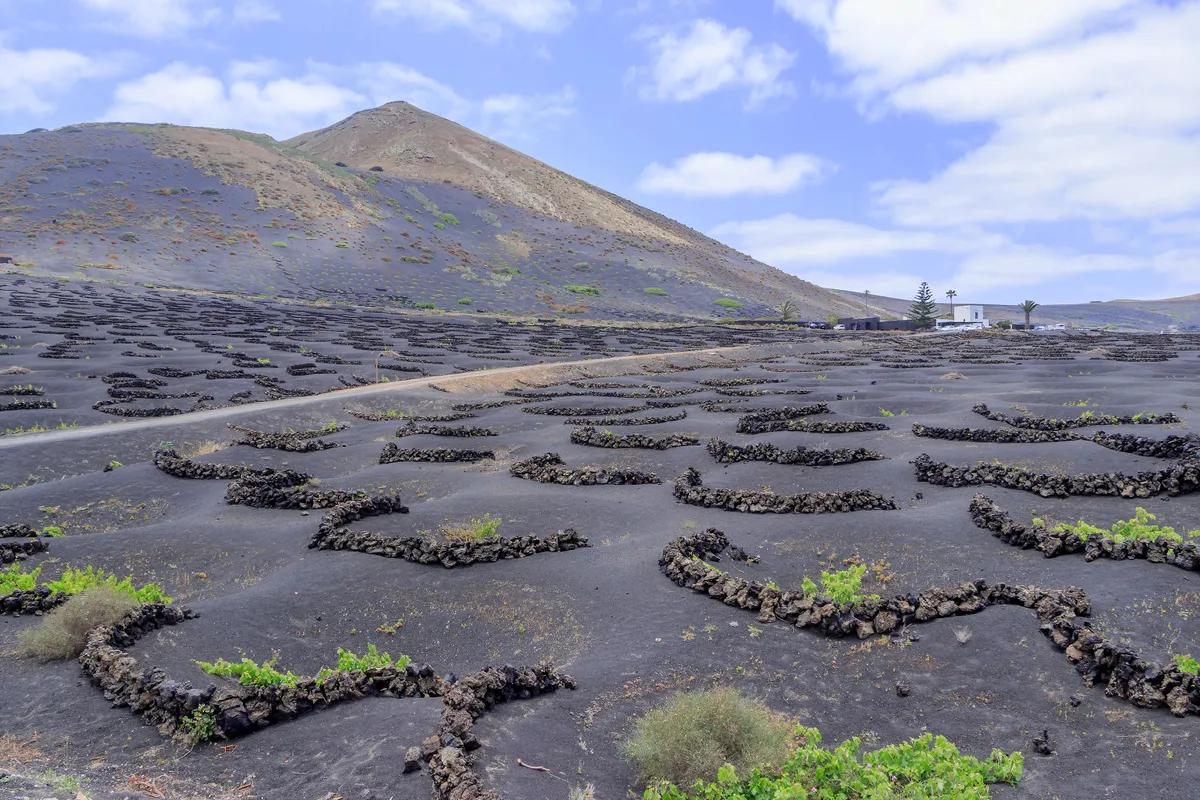
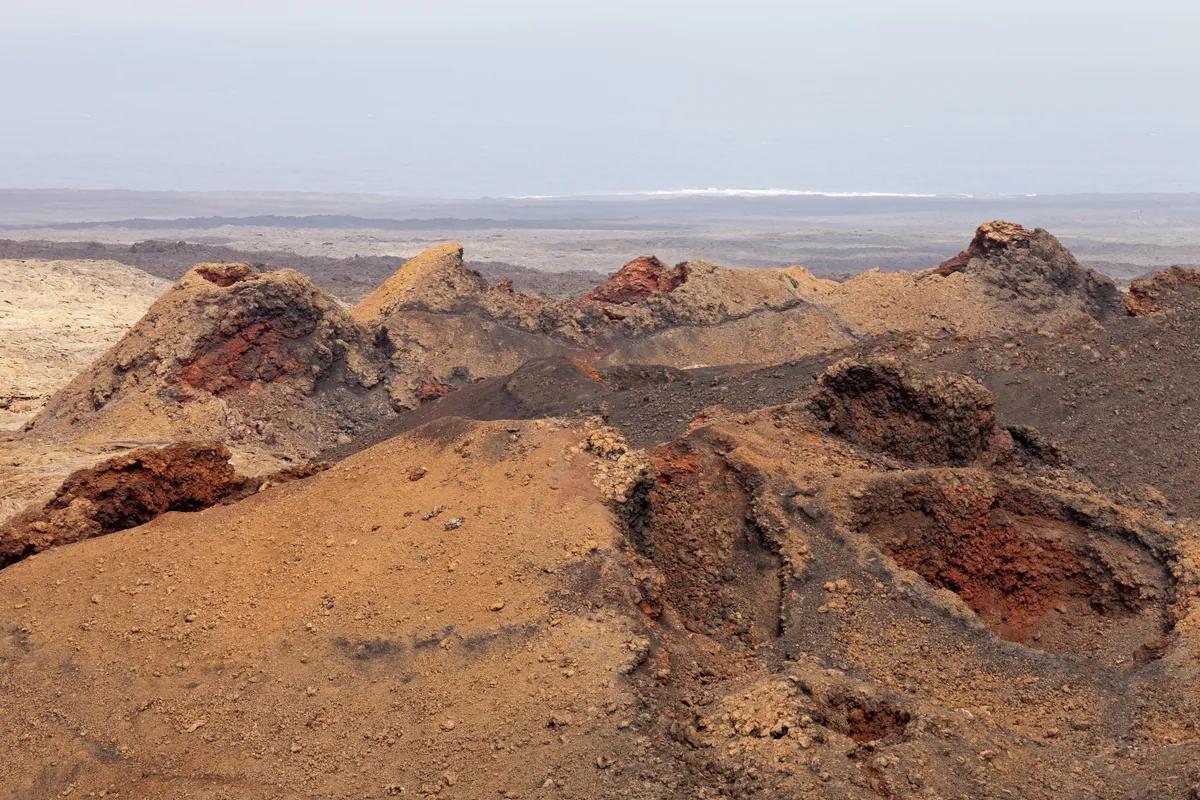
La Geria lies in the centre of Lanzarote, on the road towards the volcanic country of Timanfaya. After eruptions buried the island's soil under ash, farmers dug down to reach the earth beneath. The Lanzarote wine council describes each pit as roughly 3 metres across and 2 to 2.5 metres deep, often with a curved stone wall to break the wind, with a single vine at the bottom. The black volcanic gravel on top holds overnight moisture, which lets vines grow with very little rain.
Volcanic Malvasía is the most widely grown grape on the island and the base of most Lanzarote DOP wines. The wineries along the road from the Monumento al Campesino to Uga offer tastings, and the drive itself, past thousands of dark pits and low walls, is a sight in its own right.
Tenerife's wine country
Tenerife has five island wine regions, spread from the green north coast to the high southern slopes. A good starting point is the Casa del Vino in El Sauzal, a 17th-century farmhouse turned into a centre that promotes the island's wines, close to the Tacoronte-Acentejo vineyards. From there, the Orotava Valley and the Icod area around the Drago Milenario are within easy reach.
Other islands
La Palma, Gran Canaria, La Gomera and El Hierro each have their own DOP and small family producers. Ask in the local tourist office for wineries open to visitors, since many are small and keep limited hours.
- Pair a tasting with local cheese such as queso majorero and a plate of papas arrugadas with mojo.
- From La Geria it is a short drive to Puerto del Carmen or to the Timanfaya visitor route.
- See things to do in Lanzarote for the rest of the island.
Spain's drink-driving limits apply on every island, so book a driver, a taxi or a guided wine day if you plan to taste at more than one winery.
What to know before you go
Plan this experience
The essentials for booking Wine Tasting in the Canary Islands and getting there.
Photo gallery
Wine Tasting in the Canary Islands
Photo: H. Zell via Wikimedia Commons · CC BY-SA 3.0 (https://creativecommons.org/licenses/by-sa/3.0)
Frequently asked questions
Keep reading
Travel Guides
Helpful guides for planning your trip to Lanzarote
 Areas Islands
Which Canary Island Is Best? All 8 Islands Compared
Compare all eight Canary Islands on beaches, weather and wind, nightlife, families, walking, quiet and flights from the UK and Ireland, then pick by trip type.
 Beaches Nature
Best Beaches in the Canary Islands: 20 Picks by Island
Twenty Canary Islands beaches on six islands, from Tenerife to La Palma, with honest notes on access, wind and currents and the official 2026 Blue Flag list.
 Experiences
Things to Do in Lanzarote: A Guide by Interest
Things to do in Lanzarote centre on Timanfaya's 1730 to 1736 lava fields, César Manrique sites, Papagayo's coves and the short ferry from Órzola to La Graciosa.
More to Explore in Lanzarote
Discover beaches, attractions, activities, and more in the same area