Canarian Cuisine
Canarian cooking is a farmhouse and fishing-harbour table, built on potatoes, gofio, goat cheese, salted fish and the mojo sauces that go with almost everything.

Mojo, gofio and the island table
From wrinkled salt-crusted potatoes with red and green mojo to slow stews of chickpeas, rabbit in salmorejo and goat cheese from Fuerteventura, Canarian food combines local traditions and ingredients from the Americas with what the volcanic soil and the Atlantic provide.
Popular Canarian Dishes
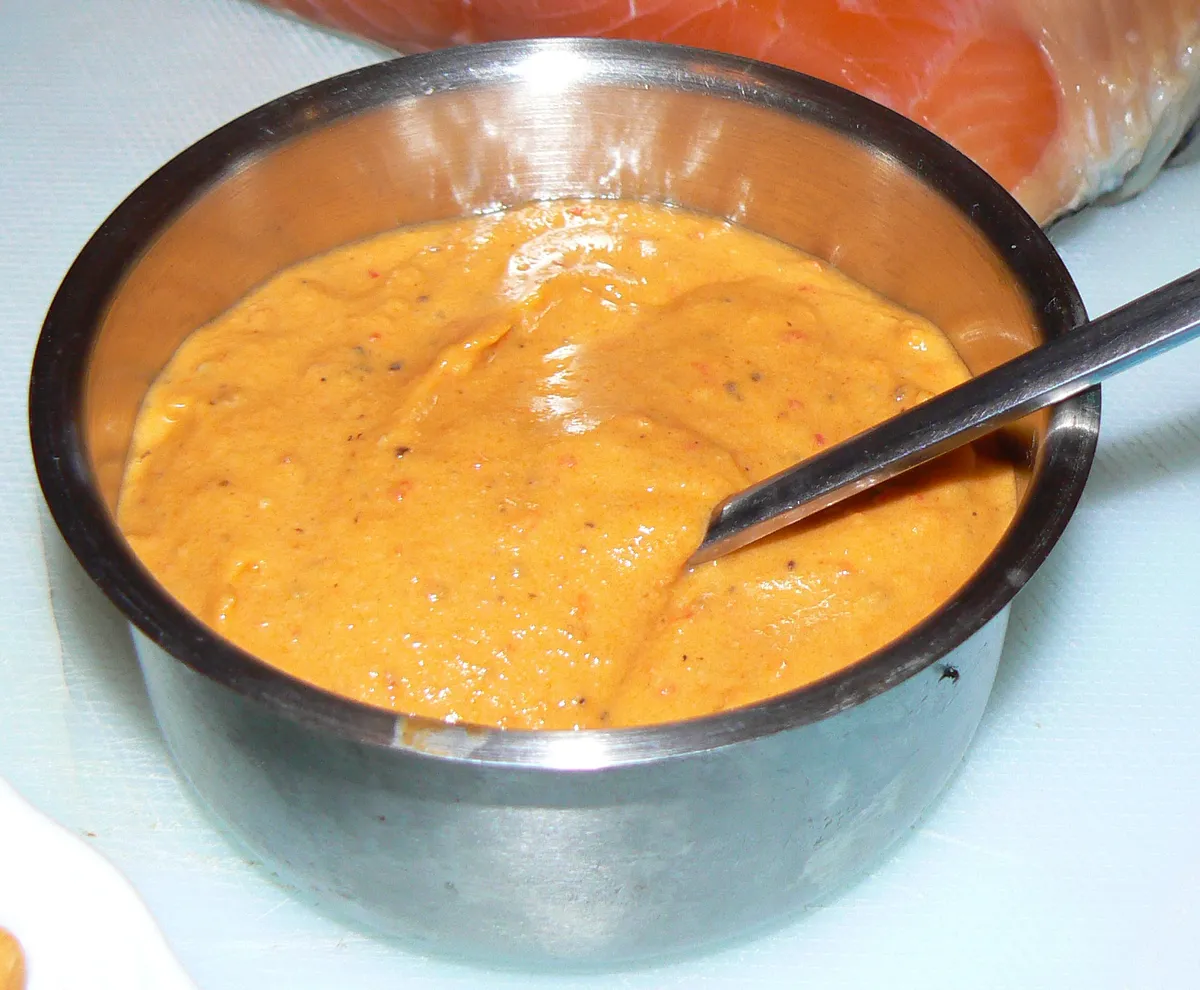
Almogrote
A paste from La Gomera made by pounding hard cured cheese with garlic, hot pepper and olive oil, sometimes tomato. Spread on toasted bread as a starter.
Main Ingredients:
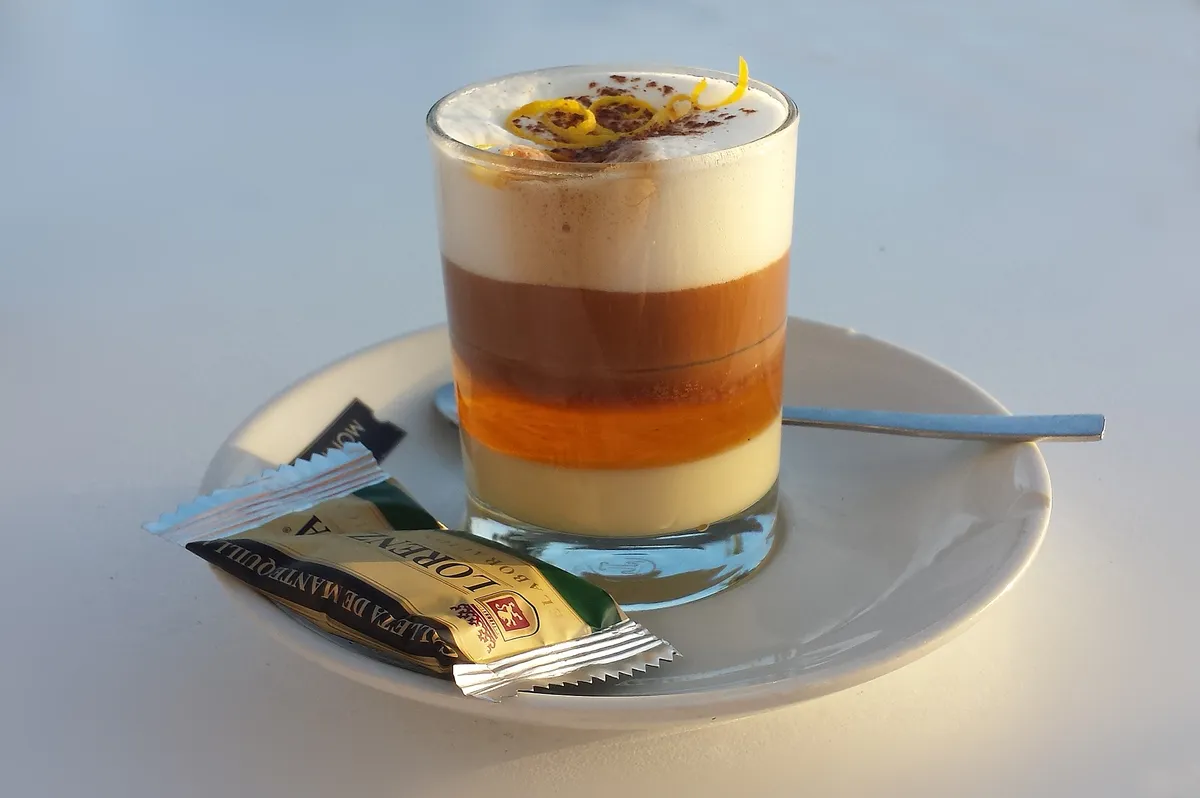
Barraquito
A Tenerife coffee served in a glass in visible layers: condensed milk, Licor 43, espresso and frothed milk, topped with lemon peel and cinnamon.
Main Ingredients:
Bienmesabe
A Canarian dessert of ground almonds cooked in sugar syrup with egg yolks, lemon zest and cinnamon. Served cold over sponge or with ice cream.
Main Ingredients:
Conejo en Salmorejo
Rabbit pieces marinated for hours in garlic, paprika, chilli, vinegar, white wine and herbs, then fried and finished in the marinade. A classic island main.
Main Ingredients:
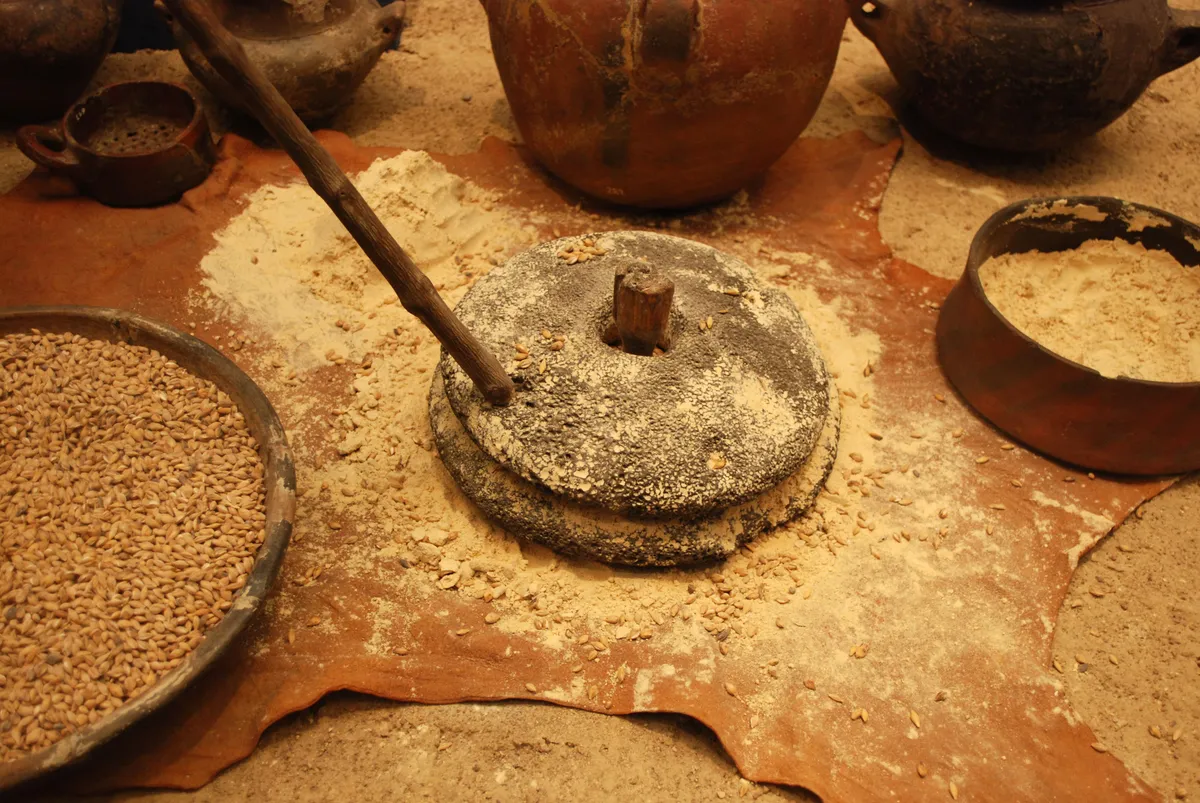
Gofio
Flour ground from toasted cereals, usually wheat or maize, eaten in the islands since the time of the Guanches. Stirred into broth, milk or desserts.
Main Ingredients:
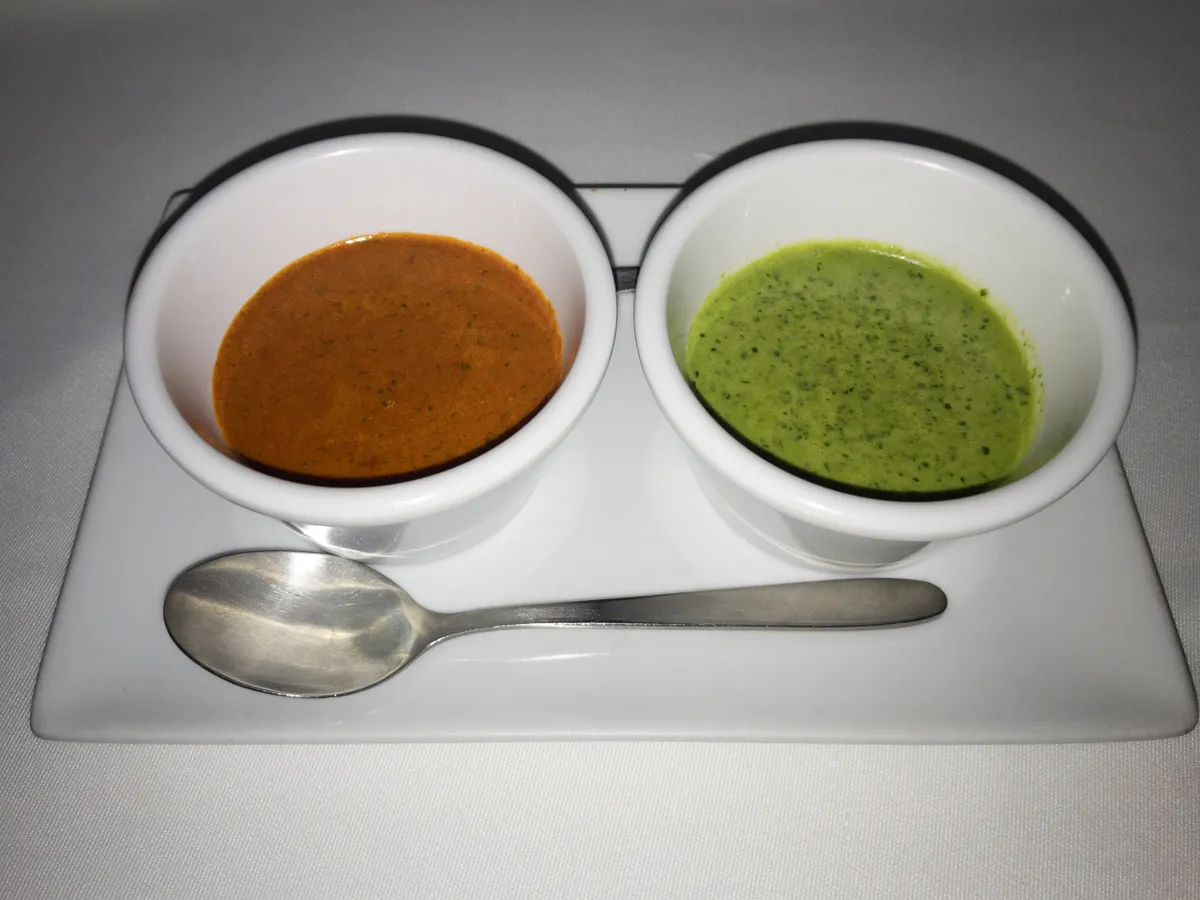
Mojo Picón and Mojo Verde
Canarian mojo: a red sauce of dried peppers, garlic, cumin, paprika, oil and vinegar, and a milder green one built on coriander and parsley.
Main Ingredients:
Explore by Category
Cheese & Gofio
Fuerteventura's PDO goat cheese, La Gomera's almogrote spread and gofio, the toasted grain flour the islands have eaten since before the conquest.
Fish & Meat Mains
Salted fish sancocho from Gran Canaria and rabbit in a garlic, vinegar and paprika marinade, two classic island main courses.
Potatoes & Mojo
Salt-crusted papas arrugadas and the red and green mojo sauces that go with them, a familiar pairing on Canarian tables.
Stews & Soups
Spoon dishes built on chickpeas, beans, watercress, maize and squash: puchero, potaje de berros and ropa vieja.
Sweets & Drinks
Almond bienmesabe and Tenerife's layered barraquito coffee, the sweet end of a Canarian meal.
Every dish we cover is in the dishes library, with what goes into it and where it is served.
Frequently Asked Questions
What is the most typical Canarian dish?
Papas arrugadas, small potatoes boiled in their skins in heavily salted water until the skins wrinkle and turn white with salt, served with mojo. Look for them as a starter or beside fish and meat. Gofio, a flour of toasted grain, is the other staple: stirred into stews, kneaded into a dough or eaten for breakfast.
Is Canarian food spicy?
Mostly not. The heat sits in the sauce rather than the dish: red mojo picón is made with dried peppers, garlic, cumin, oil and vinegar and can be sharp, while green mojo, made with coriander or parsley, is milder. Ask for the sauce on the side if you want to control the heat.
What do people drink in the Canary Islands?
Coffee first: a barraquito from Tenerife layers espresso, condensed milk, frothed milk and cinnamon, often with a dash of liqueur. The islands make their own wines, including the Malvasía grown in volcanic ash on Lanzarote, and ron miel, a honey rum liqueur, is another local drink to try. Local lagers include Dorada and Tropical.
Can vegetarians and vegans eat well on Canarian food?
With some care. Papas arrugadas with mojo are usually vegan, almogrote (a spiced cheese spread from La Gomera) and grilled local cheeses contain dairy; vegetarians should check the rennet used, and gofio is plant-based. Potaje de berros (watercress stew) can include pork, so ask about meat ingredients before you order a stew.